City initiatives
Learn from the cities already implementing the Eurocities Lille Call to Action and explore +100 iniciatives an examples of how sustainability and inclusion are shaping cultural activities.
Carbon calculator for institutions – Dresden & Leipzig, Germany
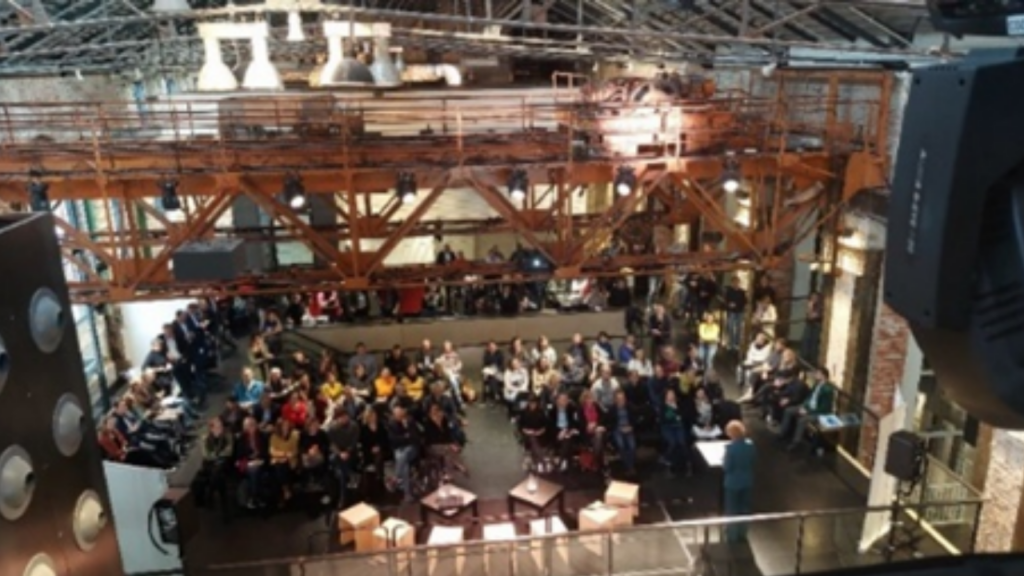
In December 2022, the cities of Leipzig and Dresden joined forces with local organisations to develop a carbon calculator for the cultural sector that is free of charge and available to all cultural institutions and organisations in both cities.
Counter for heritage and sustainability – Amsterdam, The Netherlands
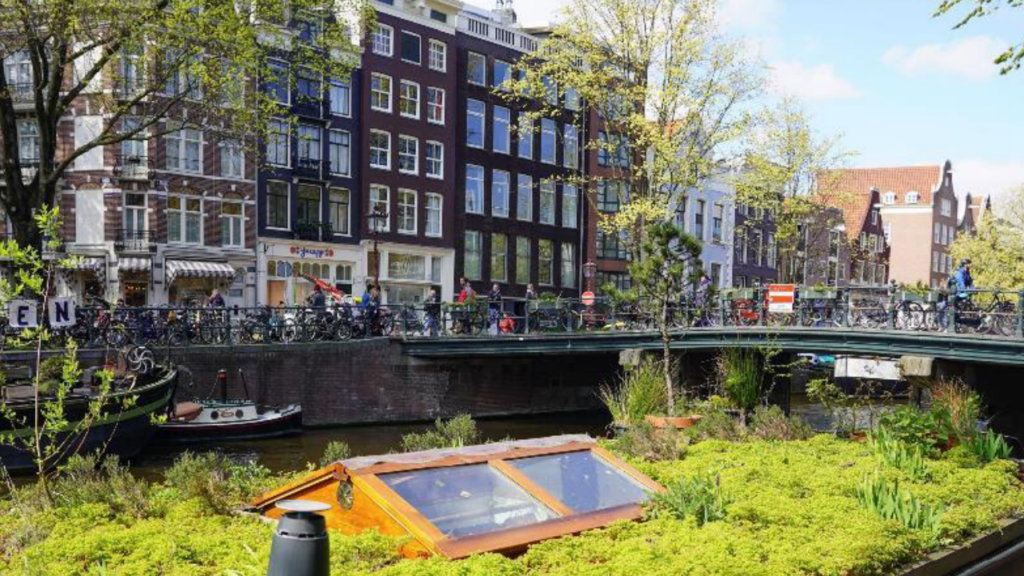
To align with the Paris Agreement’s sustainability goals, the city of Amsterdam has committed to making all buildings, including its many monuments and heritage sites, more sustainable.
However, preserving the cultural and historical value of these buildings while introducing sustainability measures presents particular challenges.
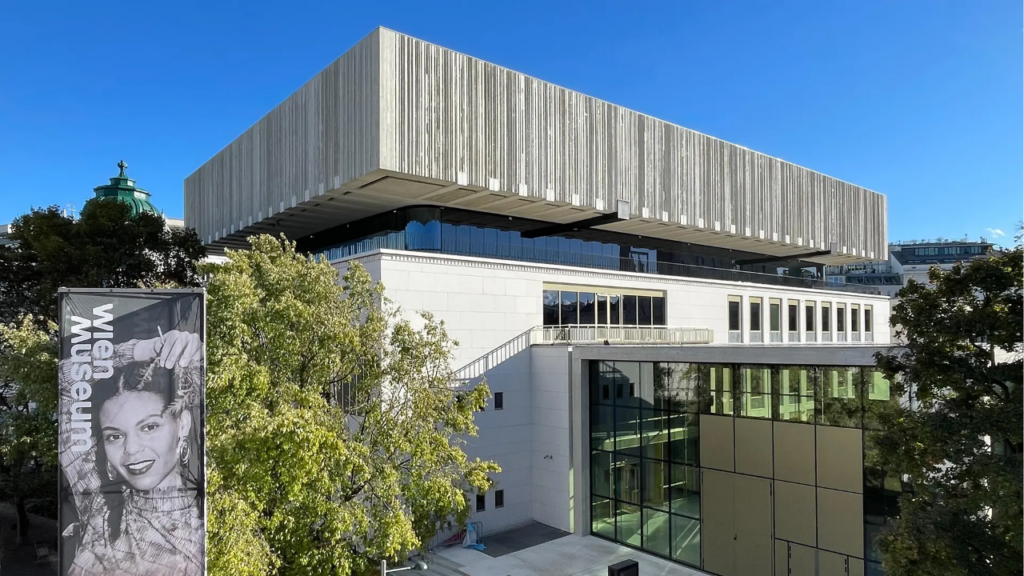
Wien Museum: Renovate, refurbish and reduce CO2 emissions
The museum's new energy management systems, from geothermal and solar power to green roofs and intelligent building services, make it a state-of-the-art sustainable building.
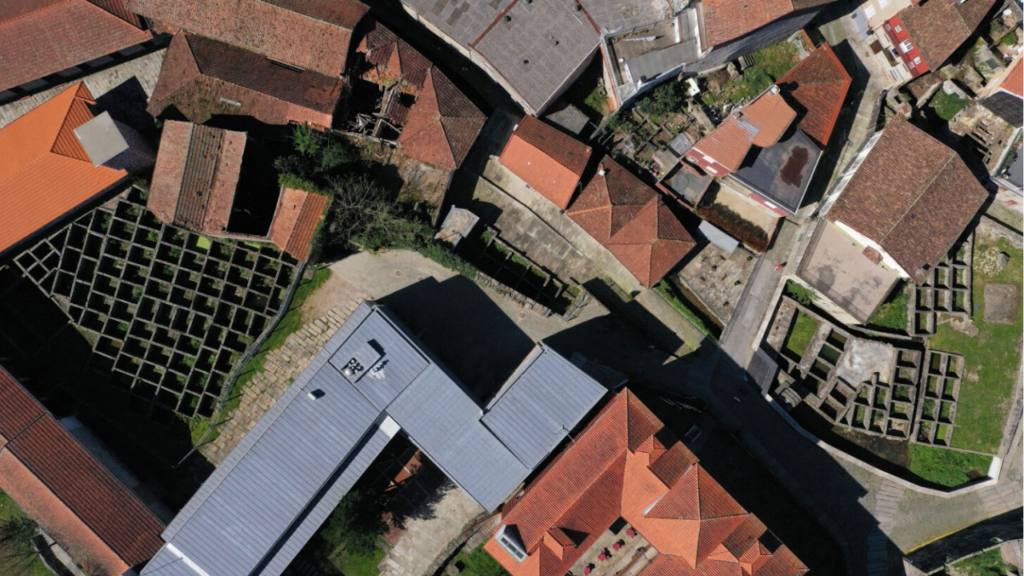
District C: Zero-carbon commitment – Guimaraes, Portugal
District C in Guimaraes is a former factory space which has been transformed into hubs for science and creativity. It is at the forefront of achieving carbon neutrality as part of the NetZeroCities Pilot Programme.
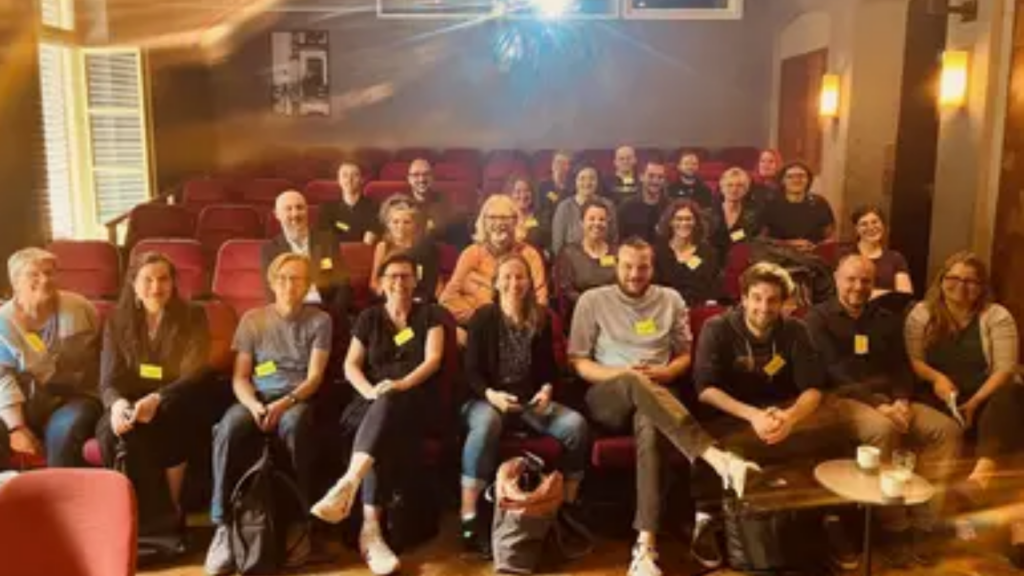
Climate Protection Network for independent cultural institutions – Leipzig, Germany
A climate protection network for the independent cultural scene was founded in Leipzig in June 2024, marking an important step towards integrating environmental responsibility into the city’s vibrant creative ecosystem.
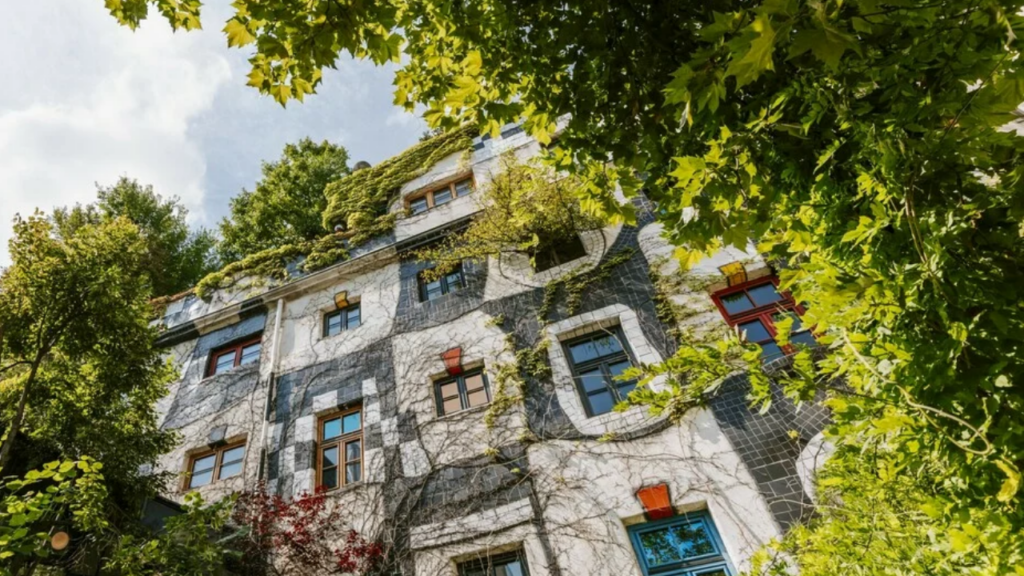
Vienna Climate Biennale 2024 – Vienna, Austria
The inaugural edition of the Vienna Climate Biennale in 2024 encompassed a programme focusing on sustainability, art and alternative approaches to climate change. The event positioned the city of Vienna as a pioneer in addressing current ecological challenges through culture.
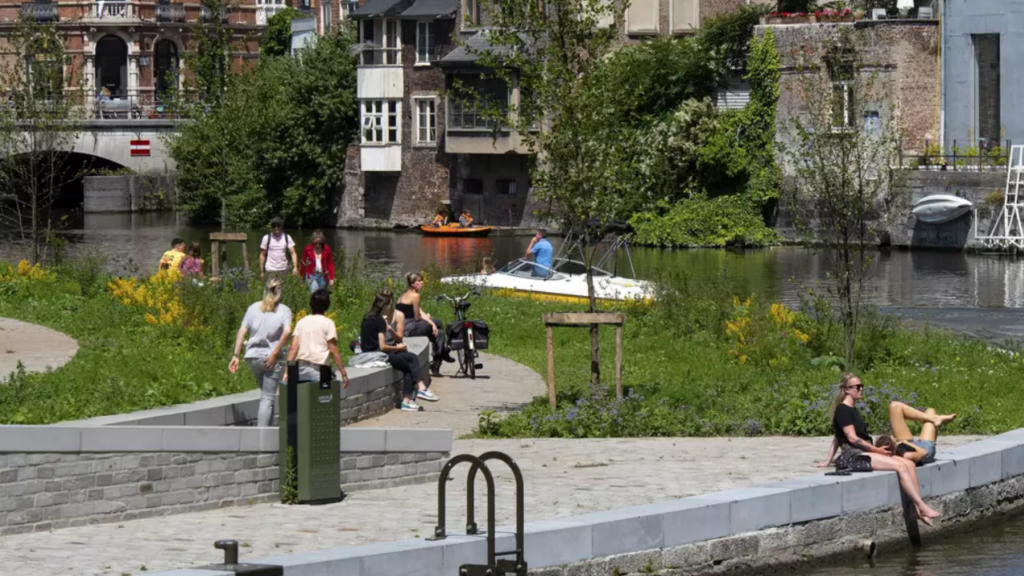
Greentrack Ghent: the sustainability ‘think and do tank’ of the cultural sector – Ghent, Brussels
Greentrack Ghent helps members collect environmental performance data, create action plans, and implement sustainable initiatives, focusing on areas like mobility, waste, food, water and energy.
New cultural policy to strengthen local creation – Enschede, The Netherlands
Inclusivity, diversity, sustainability and increasing citizen’s participation were major priorities in the development and implementation of Enschede’s new cultural policy and led to instrumental partnerships between the municipality and local cultural partners.
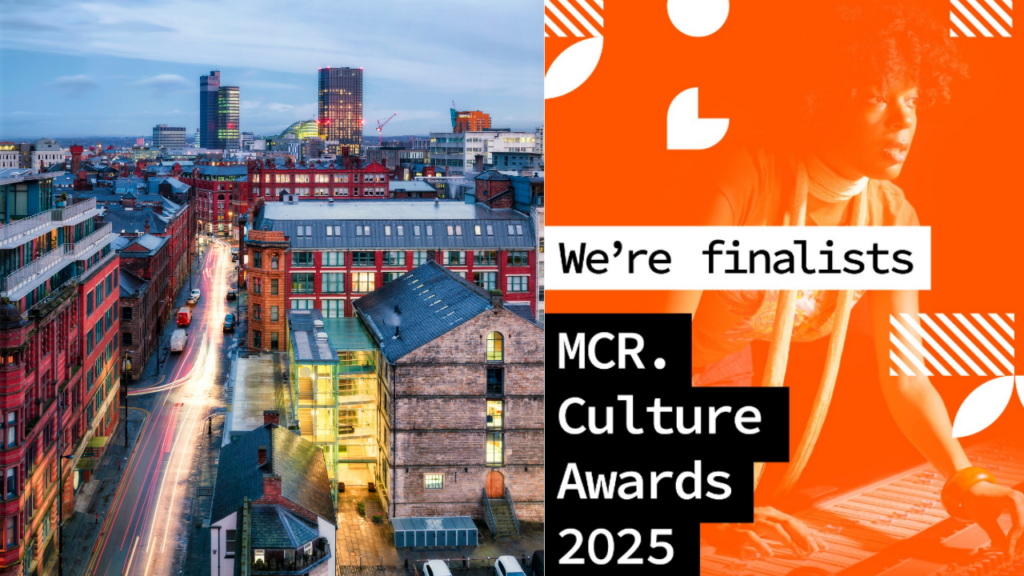
Culture Awards: Made in Manchester – Manchester, United Kingdom
The annual culture awards have a dedicated award called ‘Made in Manchester’, which recognises the unique and amazing forms of creativity that are found in Manchester.

An online culture bank to increase local artists’ visibility – Tampere, Finland
The City of Tampere’s online Pirkanmann kulttuuripankki (the Pirkanmann Culture Bank), showcases local artists and cultural creators, with the aim to increase their visibility, employability, and opportunities for collaboration.

Supporting local culture through the Guido d’Arezzo Foundation – Arezzo, Italy
The municipality of Arezzo aims to make cultural activities as locally produced as possible. This approach encompasses all aspects, from sourcing materials and consumables for organising events to supporting local artists and creators across all artistic disciplines.
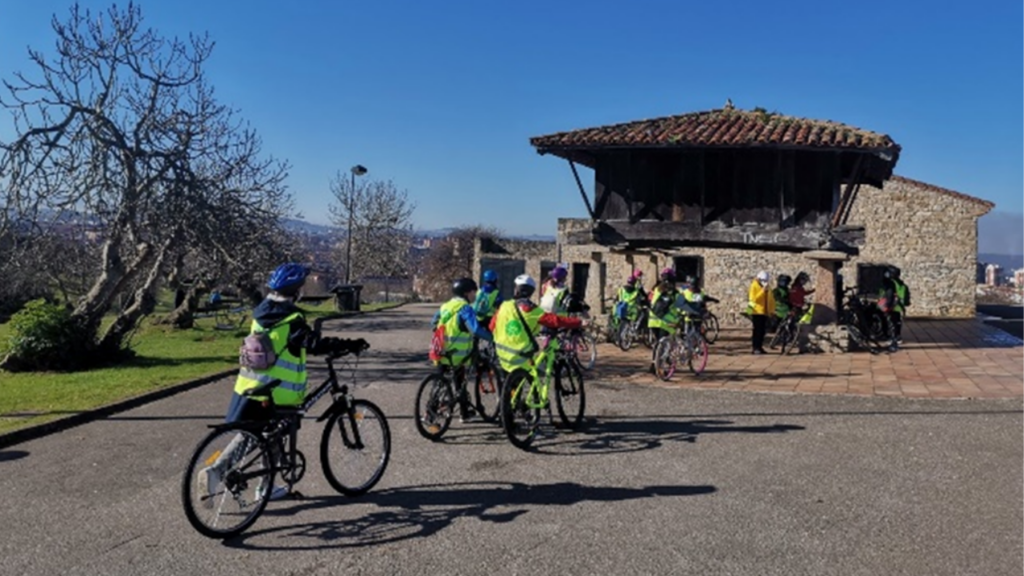
Educating young people on the use of sustainable mobility – Gijon, Spain
To meet the EU’s 2050 climate neutrality goal, Gijon focuses on educating younger generations to shift cultural attitudes towards sustainable mobility.
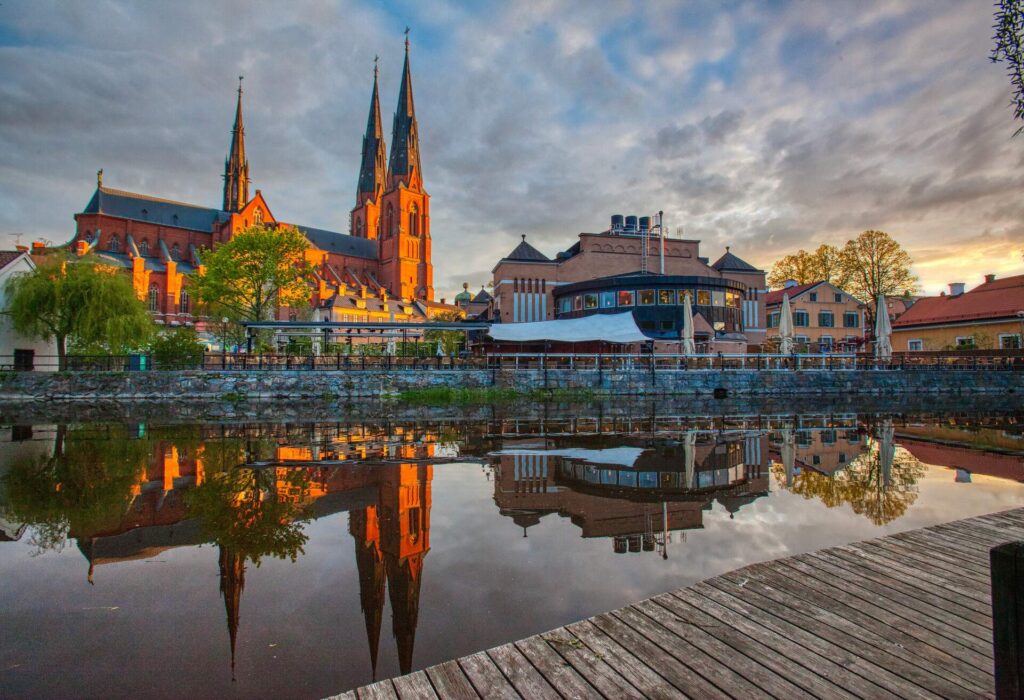
Getting to cultural venues sustainably – Uppsala, Sweden
Uppsala is committed to improving sustainability across all sectors, including mobility to cultural events. Carried out as part of a collaboration between the municipality’s Departments of Culture and Communications, Res hit hållbart (Travel here sustainably) is an initiative launched in 2024.

Joint ticketing to tackle emissions – Turku, Finland
Turku is addressing the environmental impact of public transportation linked to cultural participation by introducing an innovative joint ticketing system that combines access to cultural events and public transport.
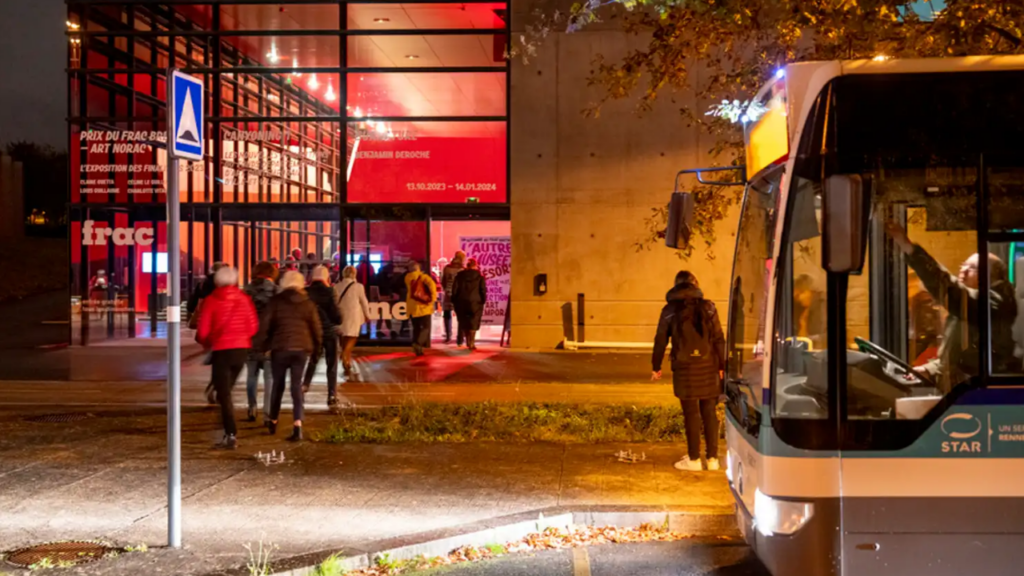
Greening cultural mobility – Rennes, France
Rennes Métropole partnered with the Shift Project (a think tank of national experts on decarbonisation from all backgrounds and sectors) to make the city’s cultural policy more eco-friendly, particularly regarding the mobility of visitors to cultural facilities.
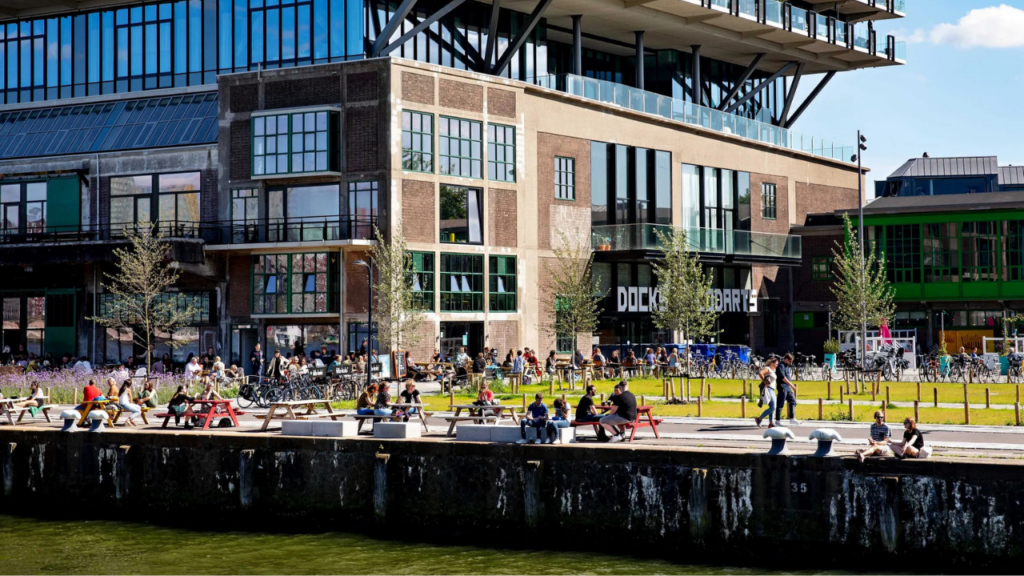
A sustainable deal for events – Rotterdam, The Netherlands
In recent years, Rotterdam has worked to make its festivals and events increasingly sustainable. With nearly five million people attending these events each year, festivals offer a significant opportunity to promote eco-friendly practices and raise awareness about sustainability.
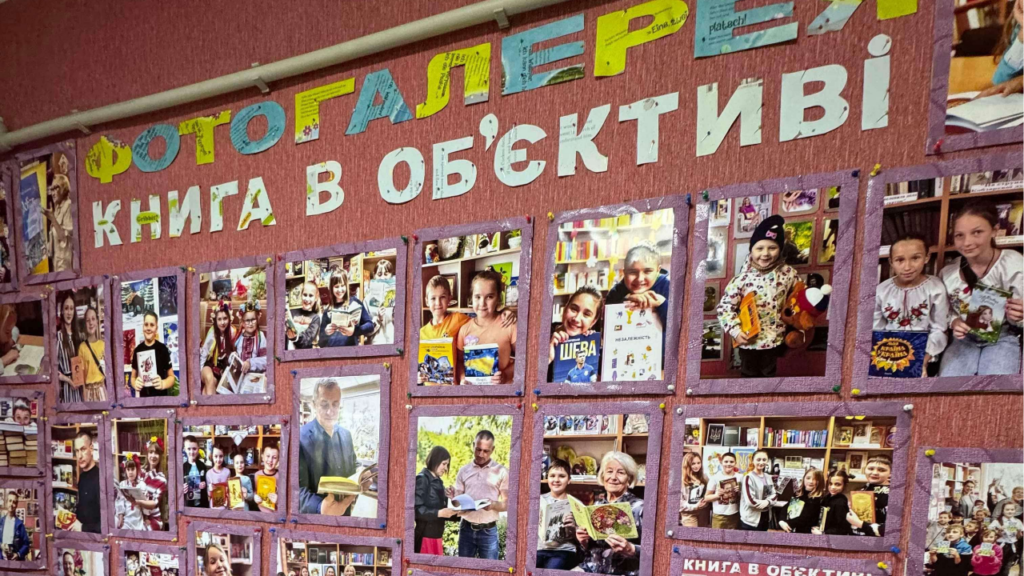
Building environmental awareness through summer library programmes – Kharkiv, Ukraine
Kharkiv actively promotes biodiversity conservation through educational campaigns at various events. In recent years and despite the war, the city has continued the "Summer with the Library" project aimed at children and teenagers.
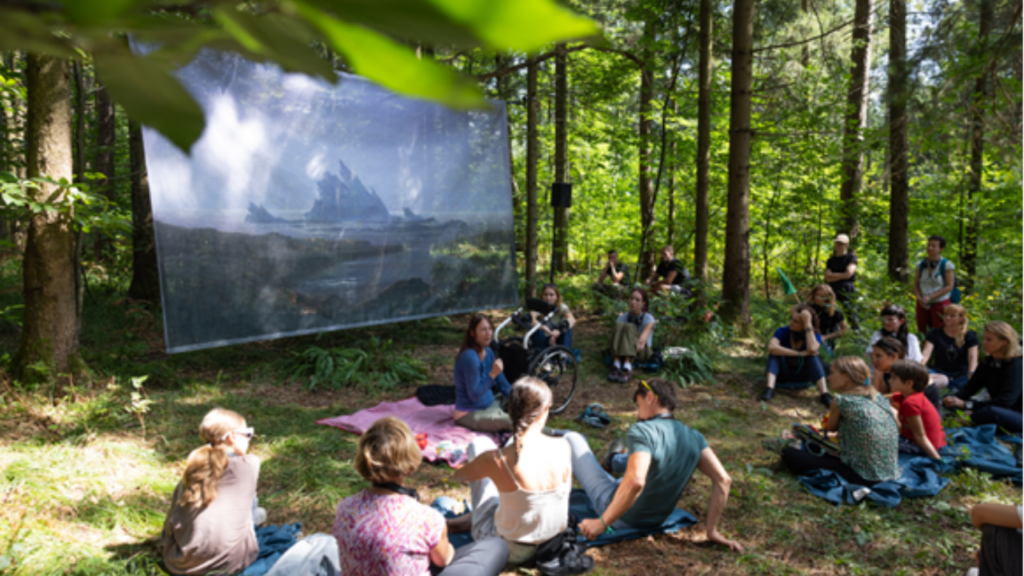
Towards a zero-waste festival – Ljubljana, Slovenia
Fr over 20 years, Bunker, a Ljubljana-based NGO supported by the city, has embedded ecological thinking into the organisation of the international Mladi Levi Festival.
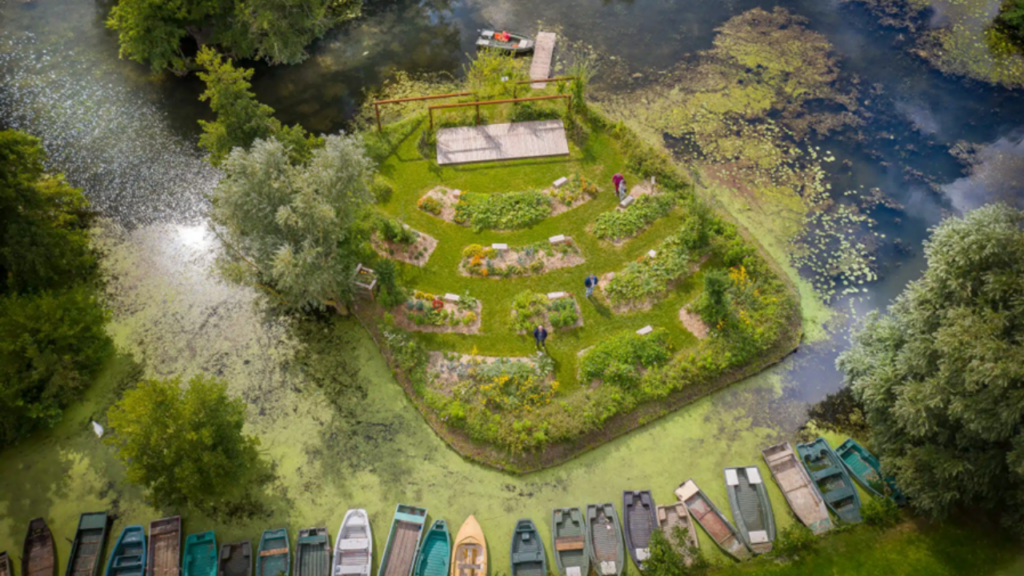
Adopting eco-responsible and inclusive approaches in festival organisation – Amiens, France
Every year from May to October, Amiens hosts the Hortillonages International Garden Festival, welcoming visitors to follow contemporary art trails across a group of garden blocks on the banks of the Somme river. The festival, located in a 300-hectare natural site in the heart of the city, supports architectural and artistic creations.
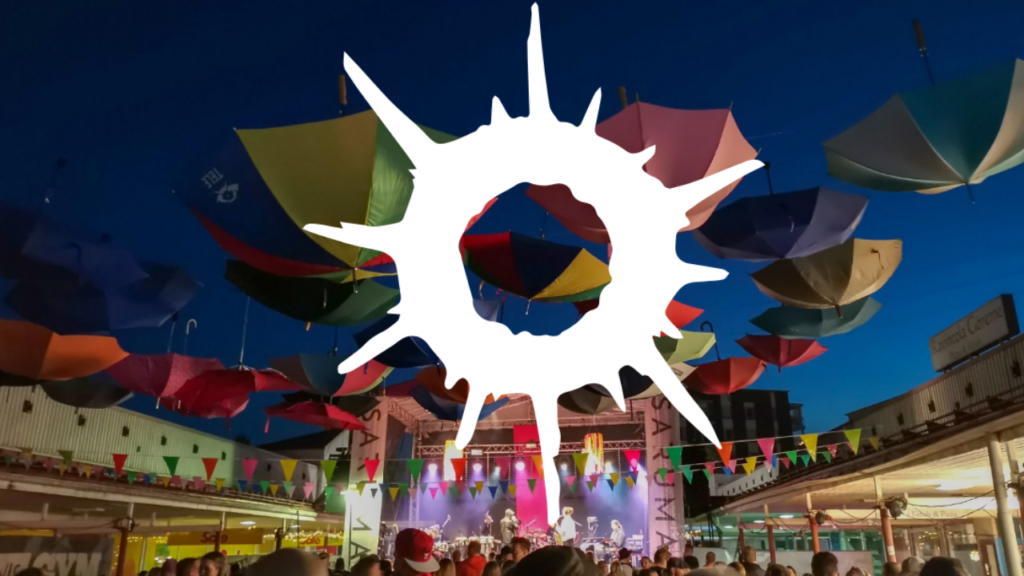
The most Sustainable European Capital of Culture – Oulu, Finland
The Most Sustainable European Capital of Culture initiative, running from 2020 to 2023, aimed to help event organisers reduce the carbon footprint of large-scale cultural events in the region of Oulu.
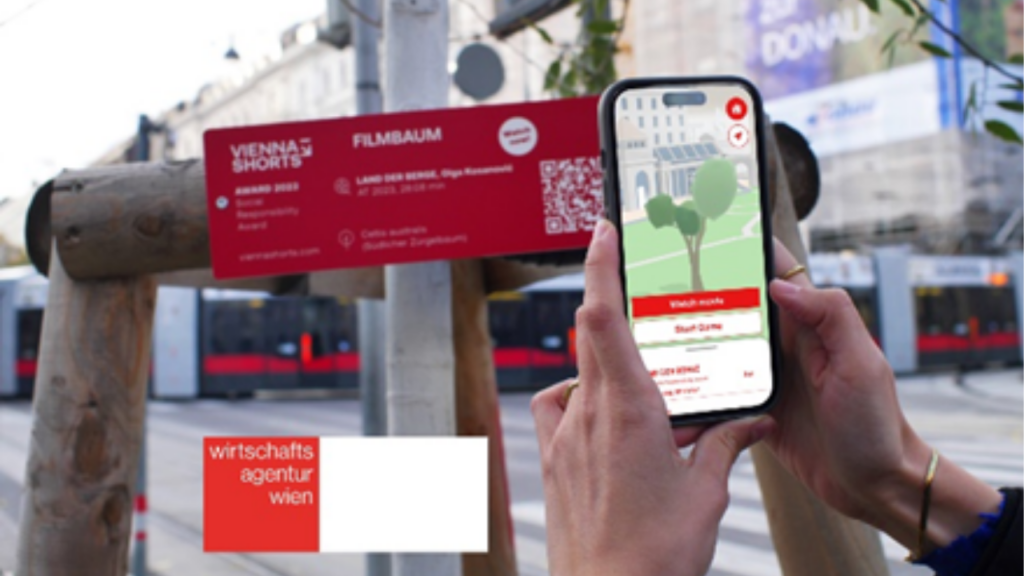
Trophy trees at the Vienna Short Film Festival – Vienna, Austria
The Vienna Short Film Festival has introduced an innovative and meaningful alternative to traditional trophy formats. By dedicating a tree in Vienna to the winners, the festival is sending an important signal for climate protection.

Greening the stage: Sustainable theatre productions – Birmingham, United Kingdom
In 2023, Birmingham Rep Theatre, with the support of Birmingham City Council, declared a climate emergency and joined the Culture Declares movement to reduce its environmental impact.
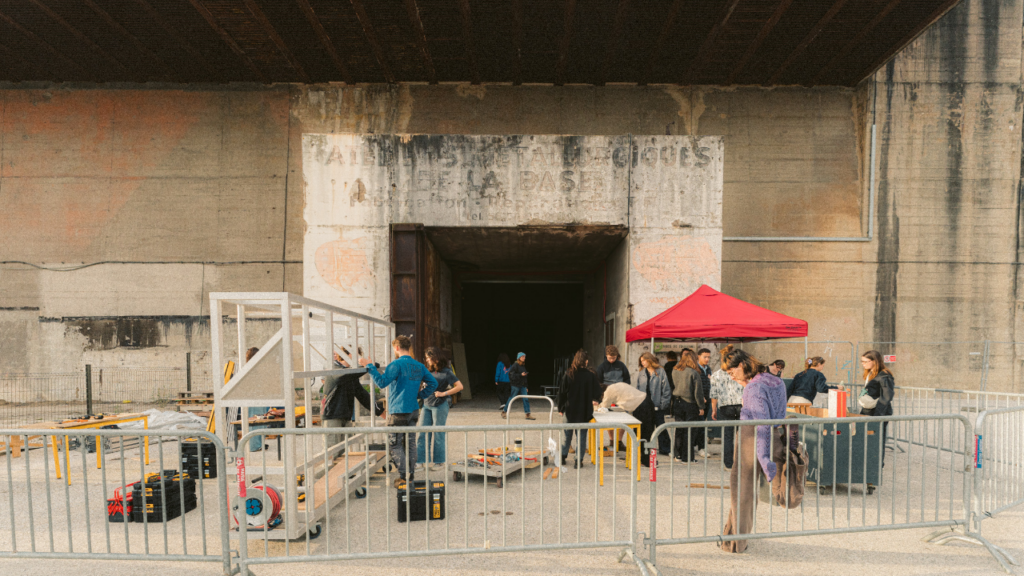
Municipal cultural recycling centre – Bordeaux, France
Bordeaux’s cultural recycling centre is France’s first municipal recycling centre dedicated to cultural institutions. Housed in a WWII submarine base, it collects and redistributes unused exhibition materials across 12 cultural institutions in the city.
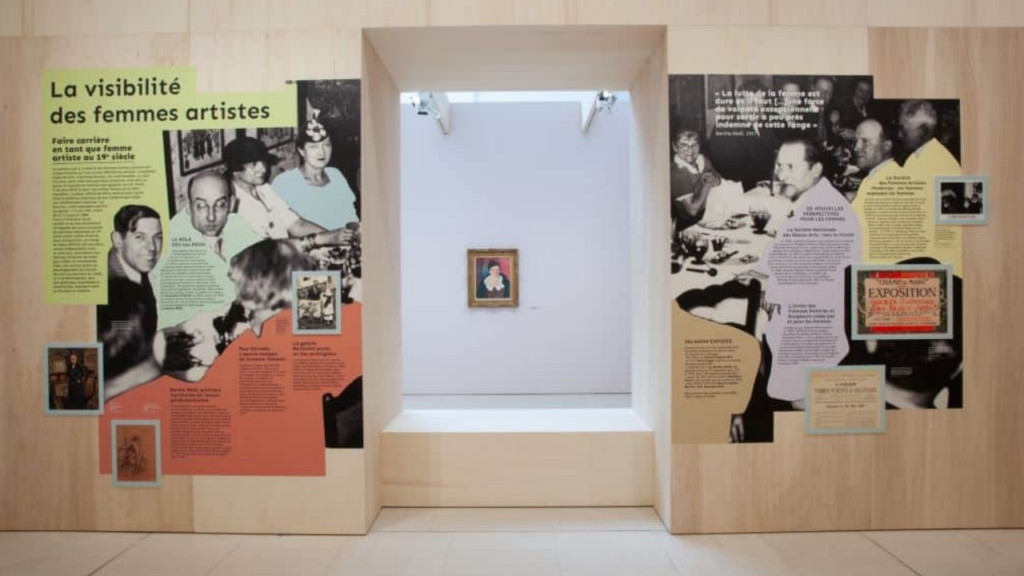
Sustainable practices in Nantes’ Museum of Arts – Nantes, France
The Museum of Arts in Nantes places a strong emphasis on sustainability, embedding it as a guiding principle across its operations.
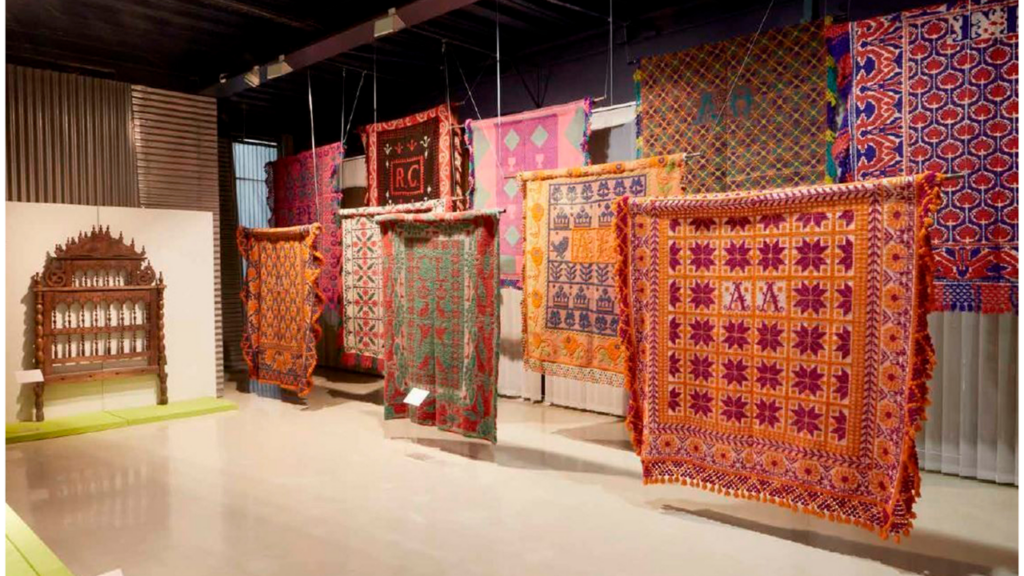
A network of reused materials for museums – Gijon, Spain
To address sustainability and resource management challenges, the Gijon Municipal Museum Network supports the reuse of museum material across its eight museums.
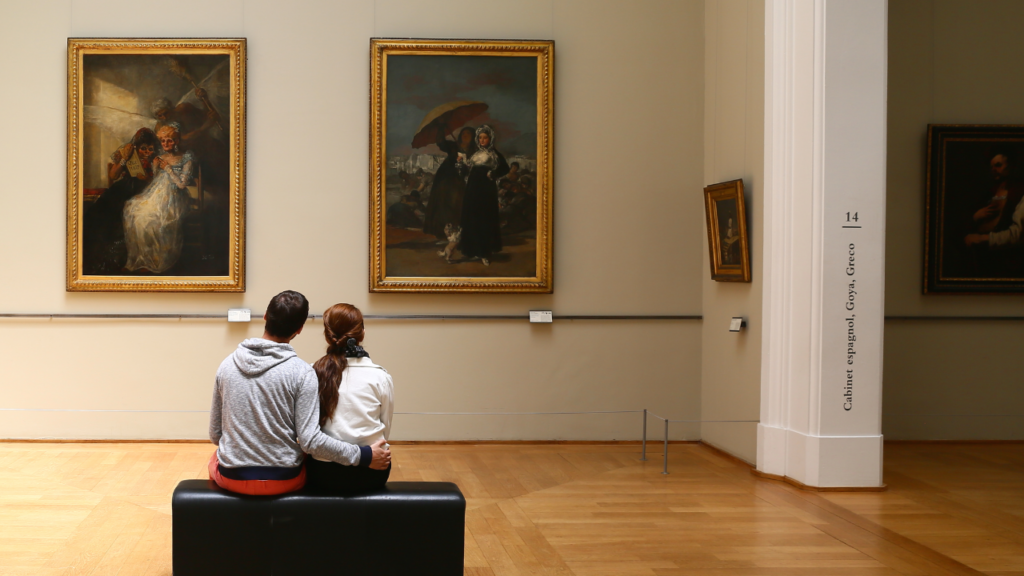
Developing sustainable museum models – Lille, France
Lille’s Experience Goya pioneered sustainable exhibitions, limiting artwork loans, applying the 6Rs, improving energy use, and measuring carbon footprint.