City initiatives
Explore 100+ sustainable and inclusive cultural initiatives from cities already implementing the Eurocities Lille Call to Action; from the public procurement of cultural resources to creative climate activities addressing health and wellbeing.
Navigate through the menu below, scroll through the page, or find your city directly with a quick search.
Pillar I: Ecological transition in the field of culture
Priority 1 Reducing the use of resources and using sustainable public procurement
Priority 2 Preserving nature in urban areas when hosting events
Priority 3 Rethinking mobility/reducing carbon emissions due to the mobility of artists and audiences
Priority 4 Encouraging local artistic creation
Priority 5 Facilitating connections between local cultural stakeholders
Priority 6 Improving the energy efficiency of cultural buildings
Priority 7 Assessing the environmental footprint of cultural events
Priority 8 Using the potential of digital technology in a responsible way
Priority 9 Training our staff and local actors on biodiversity and ecological issues
Priority 10 Having specialists to carry out public policy objectives on sustainable culture
Pillar II: Inclusion in culture and through culture
Priority 11 Providing access to cultural programmes for all, ensuring that barriers to access to culture are addressed
Priority 12 Developing ambitious cultural projects for vulnerable groups
Priority 13 Taking creative climate action to improve health and wellbeing
Priority 14 Strengthening cultural and artistic diversity
Priority 15 Integrating gender issues and ensuring gender parity in local cultural policies
Priority 16 Increasing citizen’s participation in developing and implementing cultural policies

Pillar I
Ecological transition in the field of culture
Priority 1: Reducing the use of resources and using sustainable public procurement
By signing the Call to Action, cities strive to choose the most sustainable solutions when organising cultural events, particularly through the choice of materials. This approach consists of consuming the least new material possible by: facilitating the circular economy; promoting the re-use of material and props; and helping local organisations share existing resources.
Cities commit to introducing a principle of sustainability and eco-responsibility in all new public contracts created, in order to implement responsible purchasing policies such as: committing to the principle of only purchasing what is necessary; favouring the purchase of materials that are sustainable over time and easily reusable; favouring second-hand purchases and encouraging the sharing of material.
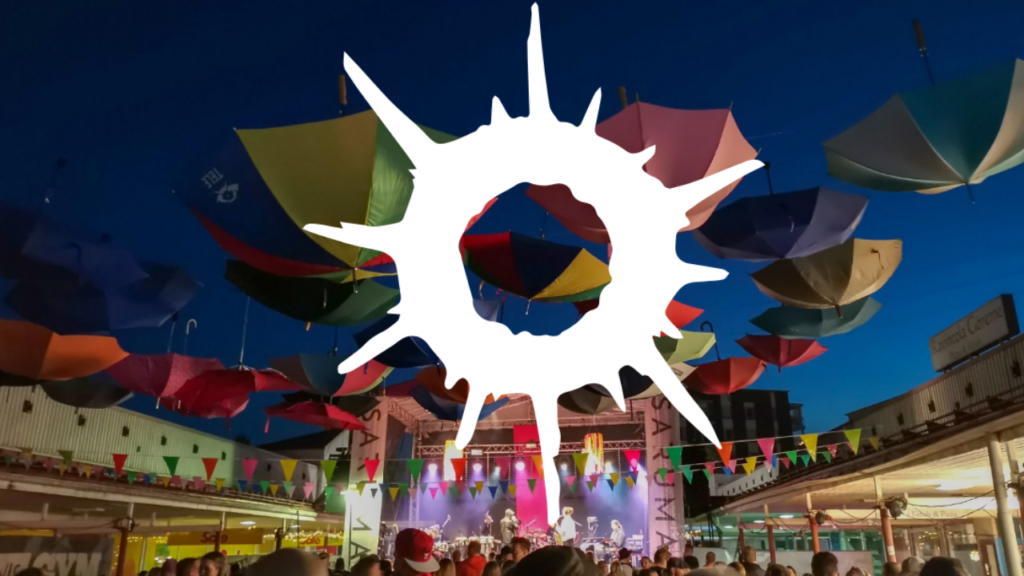
The most Sustainable European Capital of Culture – Oulu, Finland
The Most Sustainable European Capital of Culture initiative, running from 2020 to 2023, aimed to help event organisers reduce the carbon footprint of large-scale cultural events in the region of Oulu.
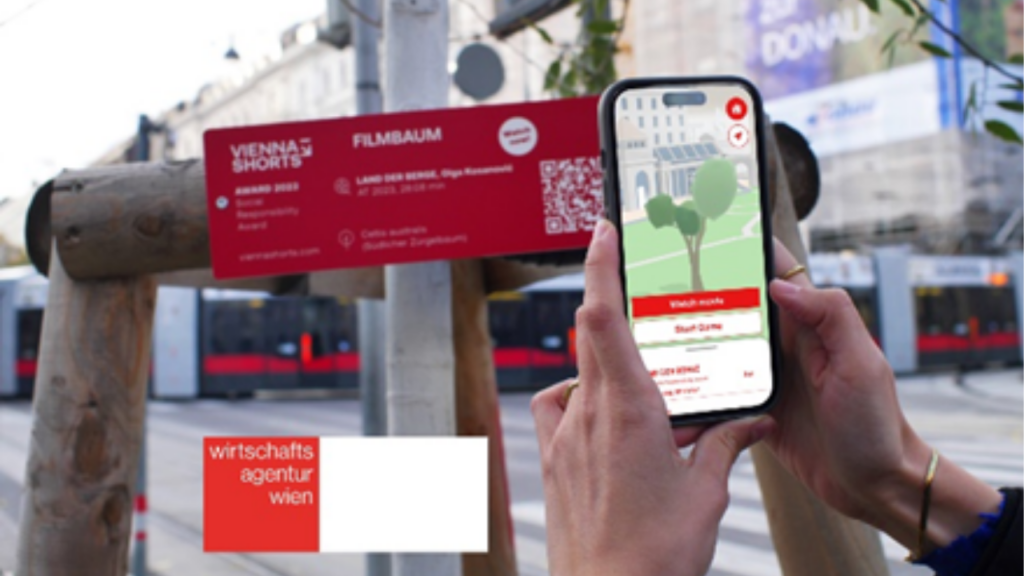
Trophy trees at the Vienna Short Film Festival – Vienna, Austria
The Vienna Short Film Festival has introduced an innovative and meaningful alternative to traditional trophy formats. By dedicating a tree in Vienna to the winners, the festival is sending an important signal for climate protection.

Greening the stage: Sustainable theatre productions – Birmingham, United Kingdom
In 2023, Birmingham Rep Theatre, with the support of Birmingham City Council, declared a climate emergency and joined the Culture Declares movement to reduce its environmental impact.
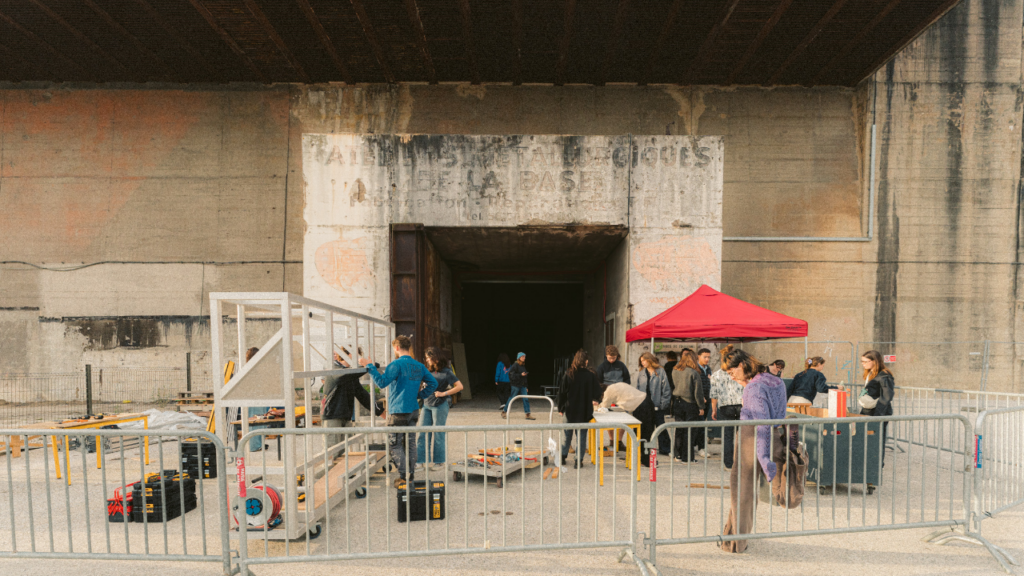
Municipal cultural recycling centre – Bordeaux, France
Bordeaux’s cultural recycling centre is France’s first municipal recycling centre dedicated to cultural institutions. Housed in a WWII submarine base, it collects and redistributes unused exhibition materials across 12 cultural institutions in the city.
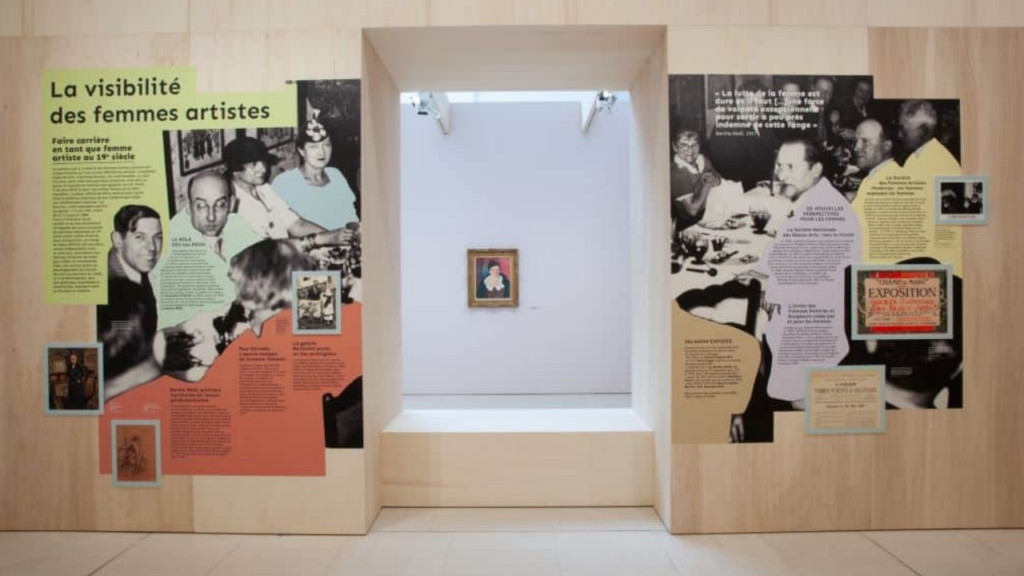
Sustainable practices in Nantes’ Museum of Arts – Nantes, France
The Museum of Arts in Nantes places a strong emphasis on sustainability, embedding it as a guiding principle across its operations.
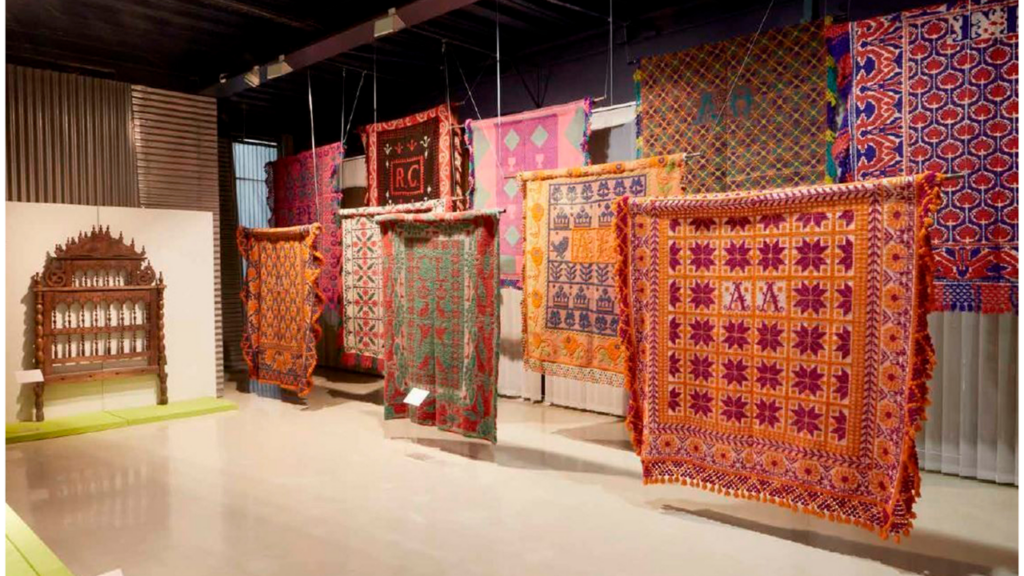
A network of reused materials for museums – Gijon, Spain
To address sustainability and resource management challenges, the Gijon Municipal Museum Network supports the reuse of museum material across its eight museums.
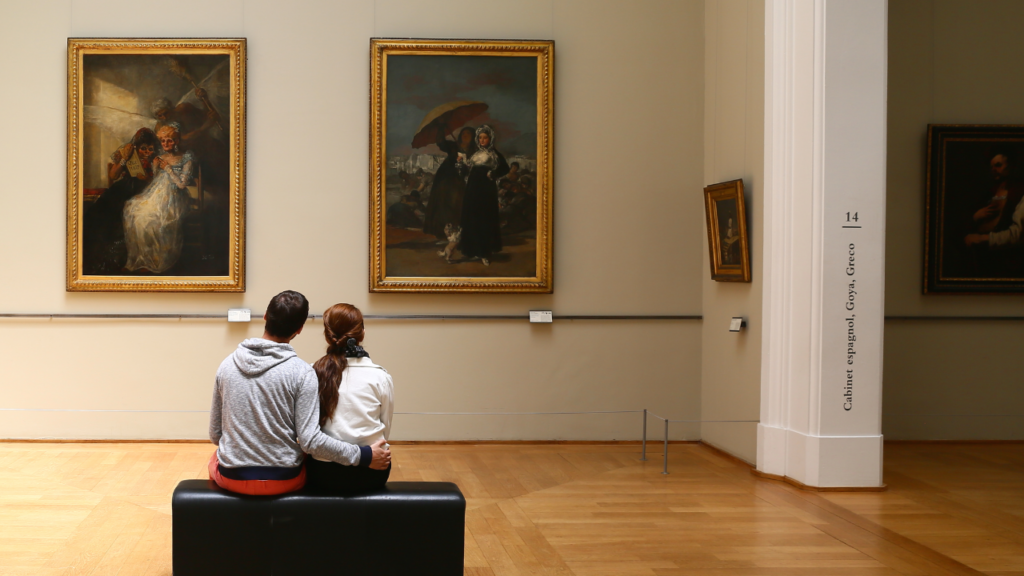
Developing sustainable museum models – Lille, France
Lille’s Experience Goya pioneered sustainable exhibitions, limiting artwork loans, applying the 6Rs, improving energy use, and measuring carbon footprint.
Priority 2: Preserving nature in urban areas when hosting events
To minimise the impact of cultural events, cities commit to respecting natural sites’ biodiversity when hosting events in natural environments. This requires assessing sites prior to events and restoring them afterwards.
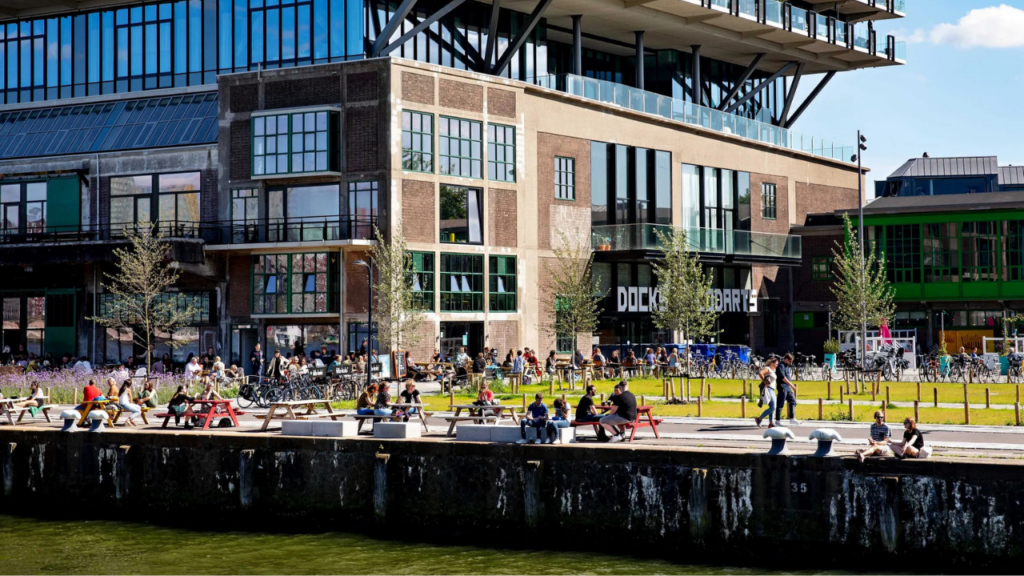
A sustainable deal for events – Rotterdam, The Netherlands
In recent years, Rotterdam has worked to make its festivals and events increasingly sustainable. With nearly five million people attending these events each year, festivals offer a significant opportunity to promote eco-friendly practices and raise awareness about sustainability.
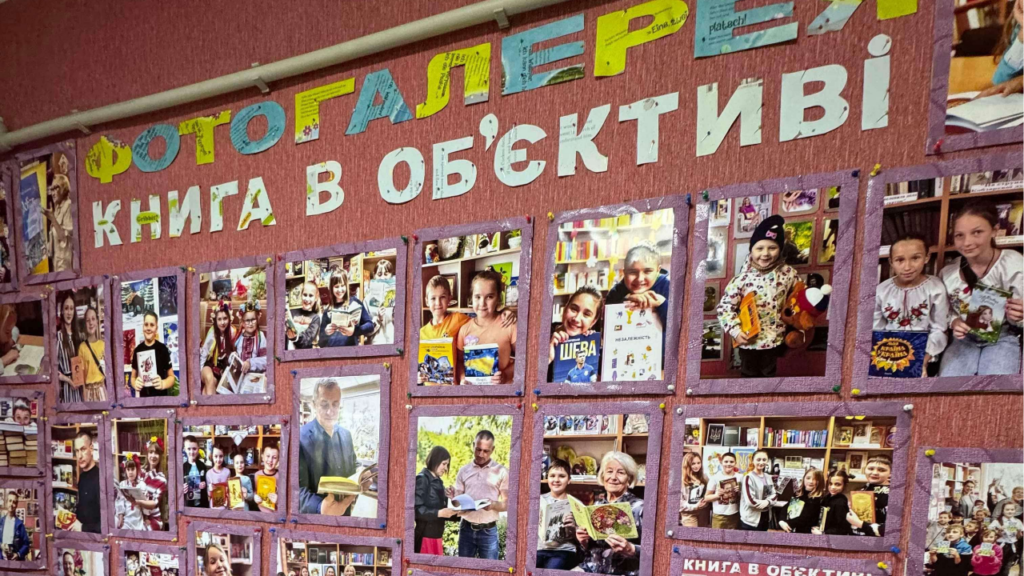
Building environmental awareness through summer library programmes – Kharkiv, Ukraine
Kharkiv actively promotes biodiversity conservation through educational campaigns at various events. In recent years and despite the war, the city has continued the "Summer with the Library" project aimed at children and teenagers.
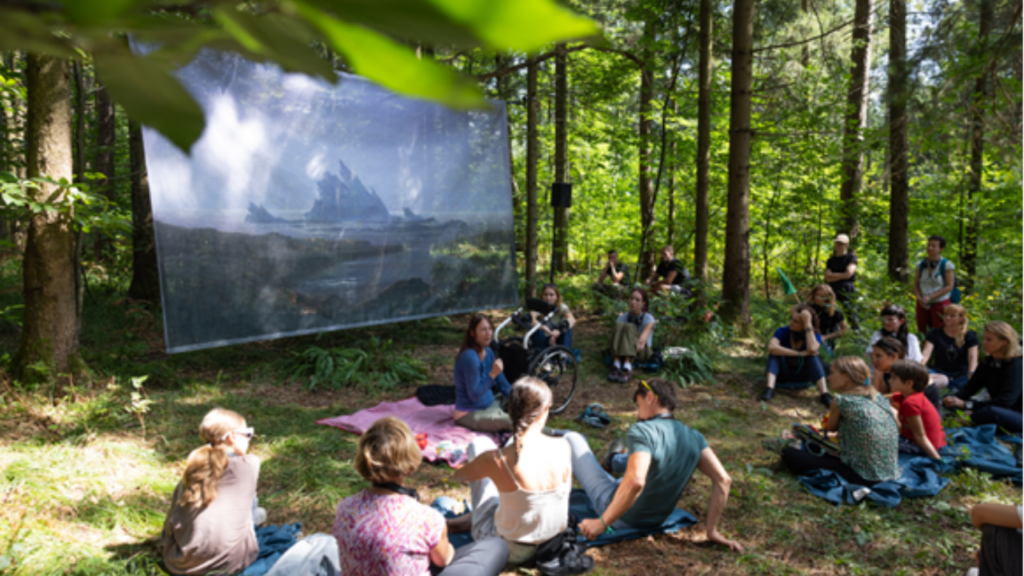
Towards a zero-waste festival – Ljubljana, Slovenia
Fr over 20 years, Bunker, a Ljubljana-based NGO supported by the city, has embedded ecological thinking into the organisation of the international Mladi Levi Festival.
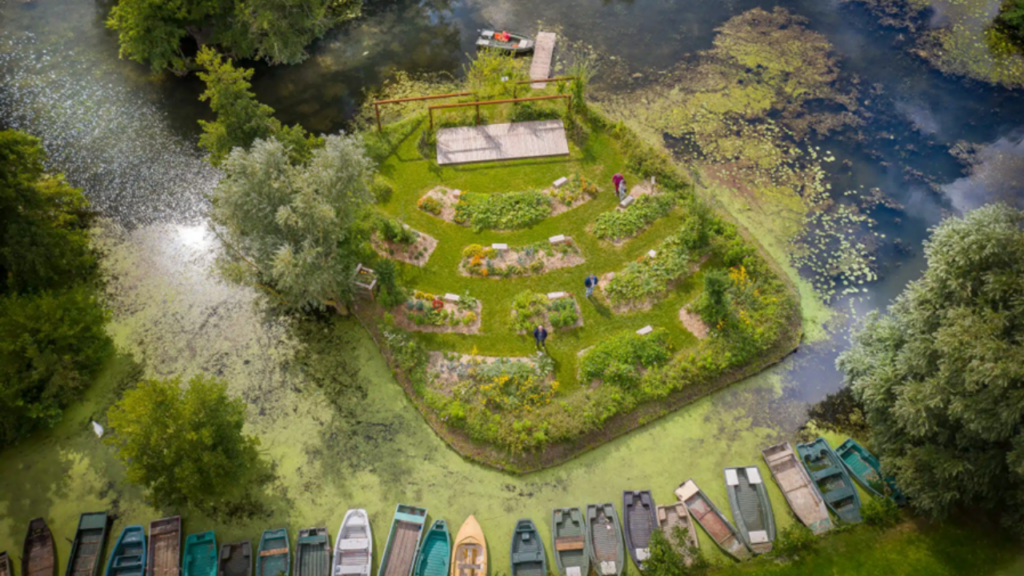
Adopting eco-responsible and inclusive approaches in festival organisation – Amiens, France
Every year from May to October, Amiens hosts the Hortillonages International Garden Festival, welcoming visitors to follow contemporary art trails across a group of garden blocks on the banks of the Somme river. The festival, located in a 300-hectare natural site in the heart of the city, supports architectural and artistic creations.
Priority 3: Rethinking mobility/reducing carbon emissions due to the mobility of artists and audiences
Cities committed to the call to action will act on sustainable mobility when organising cultural events (festivals, concerts, exhibitions) with the following ambitions: avoiding unnecessary travel; shortening or sharing unavoidable travel; encouraging soft and active mobility and the use of low-carbon vehicles.
This approach will apply to the mobility of local actors organising cultural events but also to the mobility of artists, artworks, equipment and especially audiences.
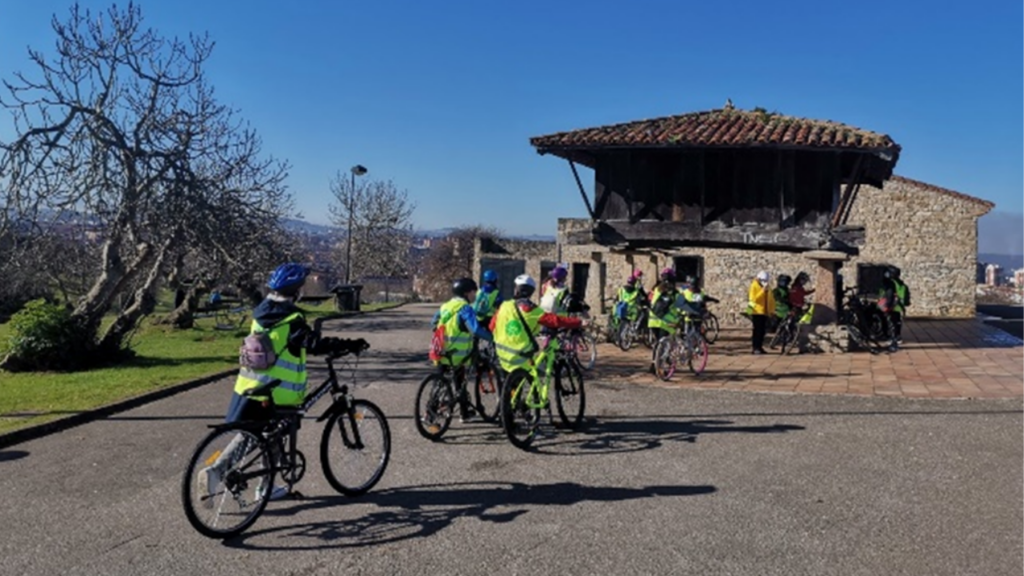
Educating young people on the use of sustainable mobility – Gijon, Spain
To meet the EU’s 2050 climate neutrality goal, Gijon focuses on educating younger generations to shift cultural attitudes towards sustainable mobility.
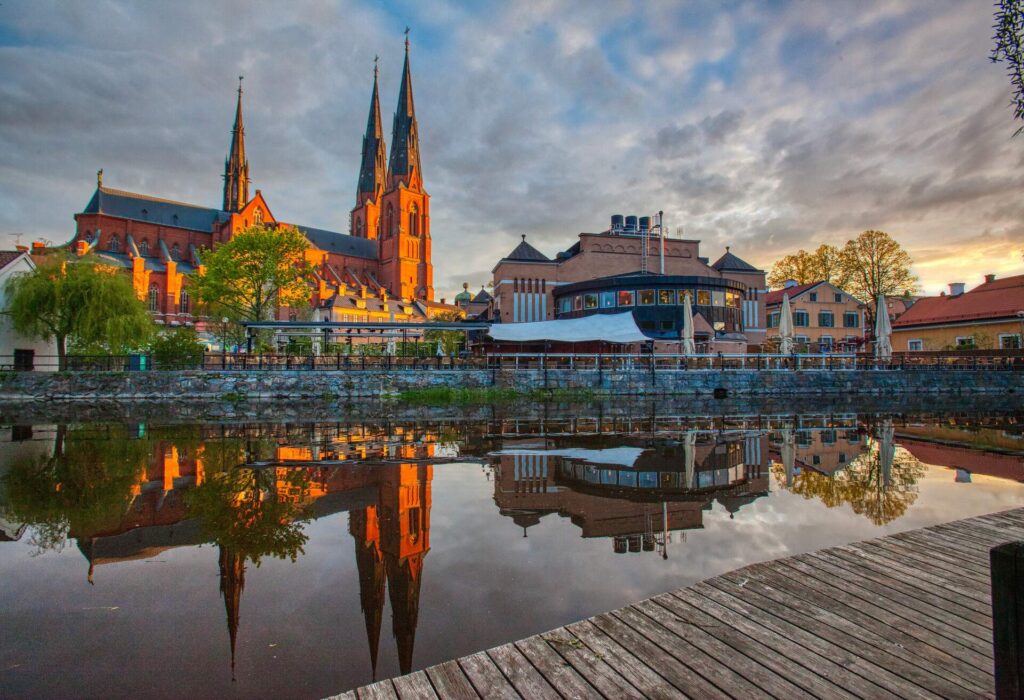
Getting to cultural venues sustainably – Uppsala, Sweden
Uppsala is committed to improving sustainability across all sectors, including mobility to cultural events. Carried out as part of a collaboration between the municipality’s Departments of Culture and Communications, Res hit hållbart (Travel here sustainably) is an initiative launched in 2024.
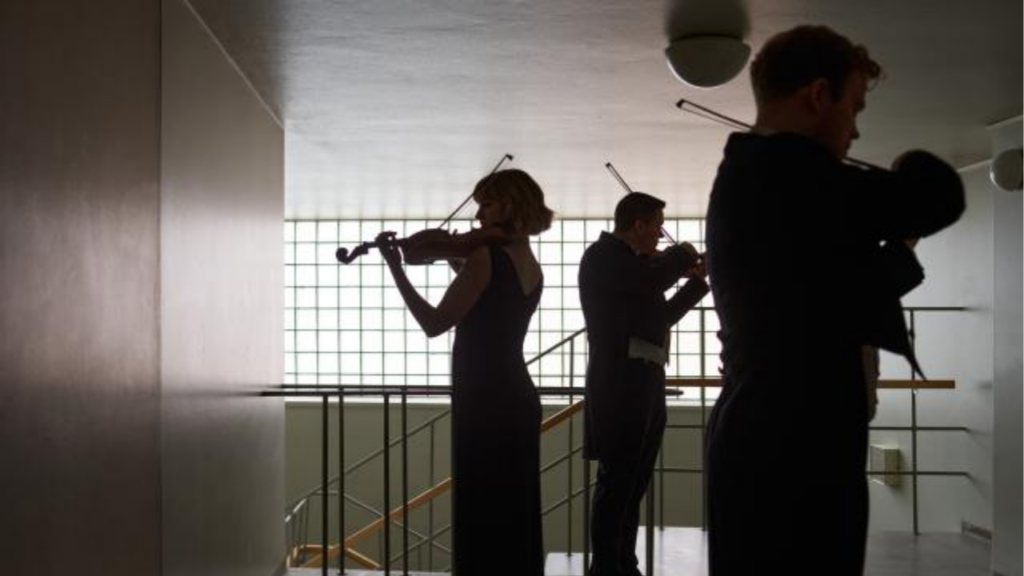
Joint ticketing to tackle emissions – Turku, Finland
Turku is addressing the environmental impact of public transportation linked to cultural participation by introducing an innovative joint ticketing system that combines access to cultural events and public transport.
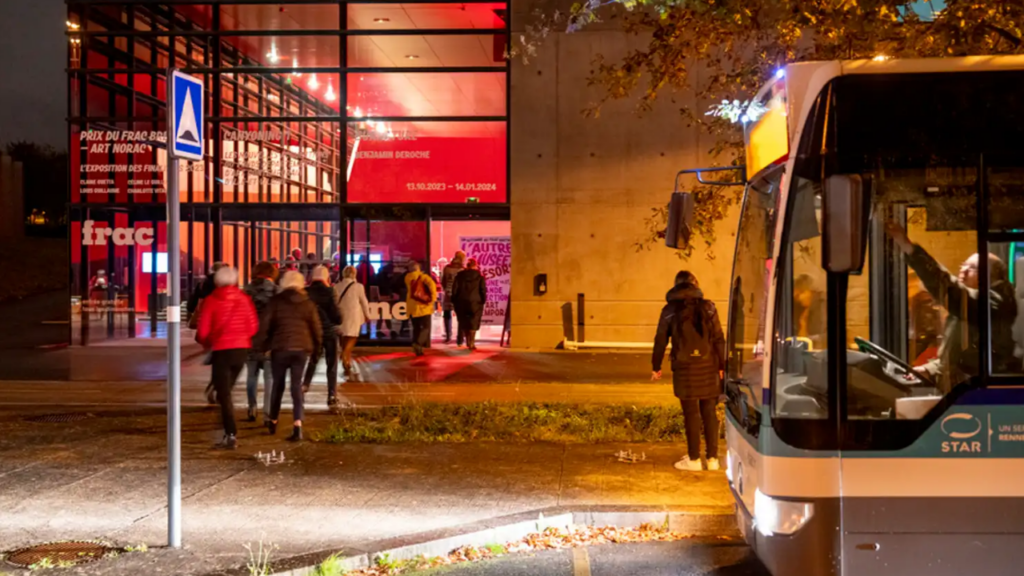
Greening cultural mobility – Rennes, France
Rennes Métropole partnered with the Shift Project (a think tank of national experts on decarbonisation from all backgrounds and sectors) to make the city’s cultural policy more eco-friendly, particularly regarding the mobility of visitors to cultural facilities.
Priority 4: Encouraging local artistic creation
Cities who commit to the Lille Call to Action strive for cultural activities to be as locally produced as possible.
This approach should be cross-cutting, focusing on the origin of the materials and consumables needed to organise cultural activities and, as much as possible, supporting local artists and creators from all artistic disciplines.
New cultural policy to strengthen local creation – Enschede, The Netherlands
Inclusivity, diversity, sustainability and increasing citizen’s participation were major priorities in the development and implementation of Enschede’s new cultural policy and led to instrumental partnerships between the municipality and local cultural partners.
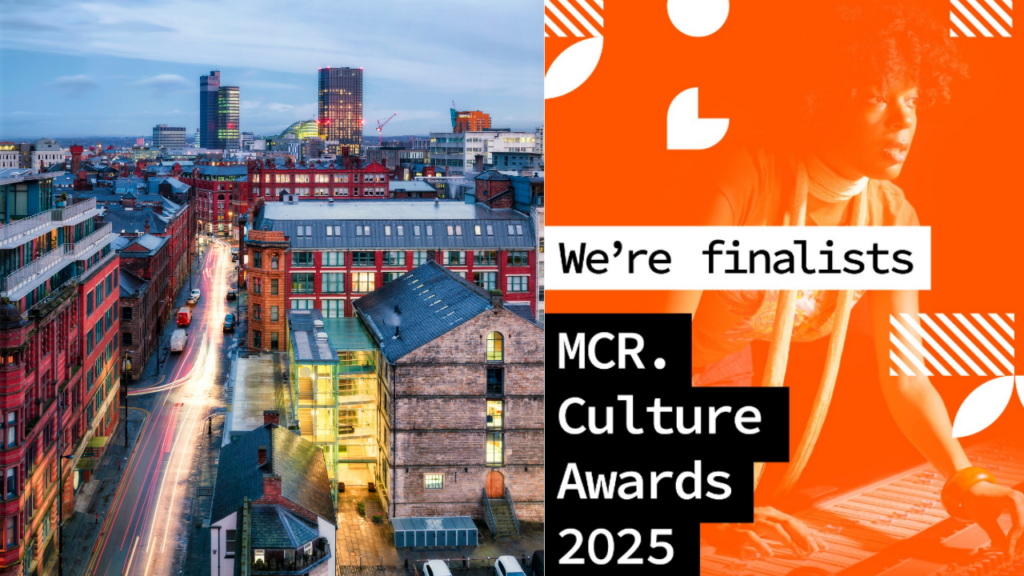
Culture Awards: Made in Manchester – Manchester, United Kingdom
The annual culture awards have a dedicated award called ‘Made in Manchester’, which recognises the unique and amazing forms of creativity that are found in Manchester.

An online culture bank to increase local artists’ visibility – Tampere, Finland
The City of Tampere’s online Pirkanmann kulttuuripankki (the Pirkanmann Culture Bank), showcases local artists and cultural creators, with the aim to increase their visibility, employability, and opportunities for collaboration.

Supporting local culture through the Guido d’Arezzo Foundation – Arezzo, Italy
The municipality of Arezzo aims to make cultural activities as locally produced as possible. This approach encompasses all aspects, from sourcing materials and consumables for organising events to supporting local artists and creators across all artistic disciplines.
Priority 5: Facilitating connections between local cultural stakeholders
The role of municipal authorities is central when it comes to bringing the local cultural sector together.
Cities commit to supporting local cultural and creative actors in their sustainability efforts, for example by promoting the exchange of innovative practices between actors, by providing common support services or facilitating contacts and joint projects with actors outside the culture sector.
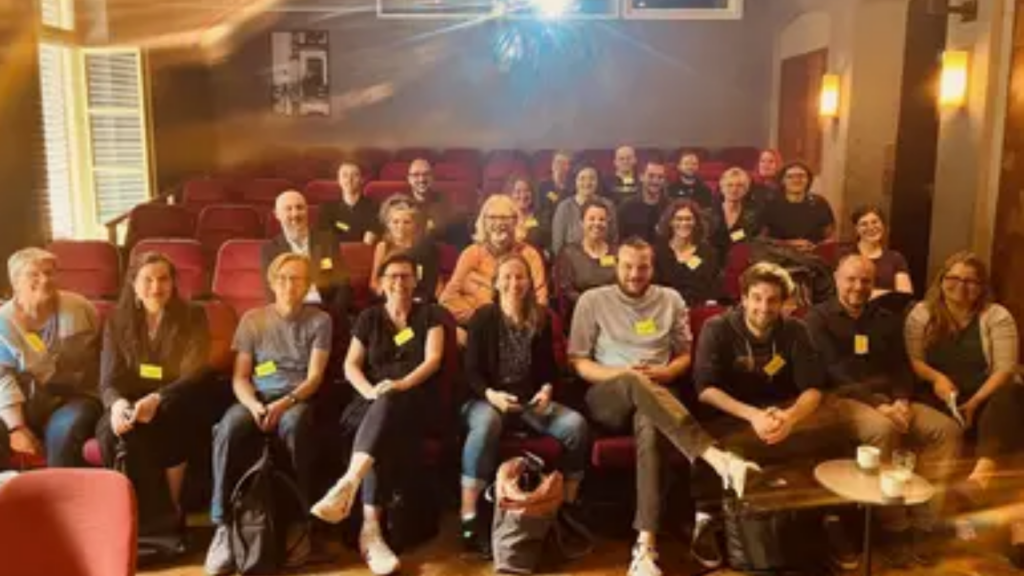
Climate Protection Network for independent cultural institutions – Leipzig, Germany
A climate protection network for the independent cultural scene was founded in Leipzig in June 2024, marking an important step towards integrating environmental responsibility into the city’s vibrant creative ecosystem.
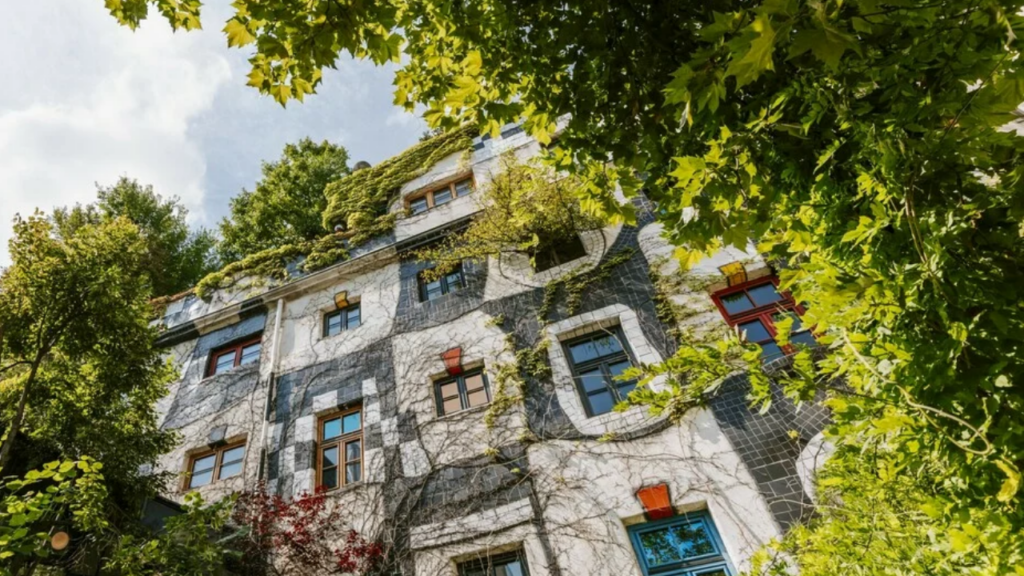
Vienna Climate Biennale 2024 – Vienna, Austria
The inaugural edition of the Vienna Climate Biennale in 2024 encompassed a programme focusing on sustainability, art and alternative approaches to climate change. The event positioned the city of Vienna as a pioneer in addressing current ecological challenges through culture.
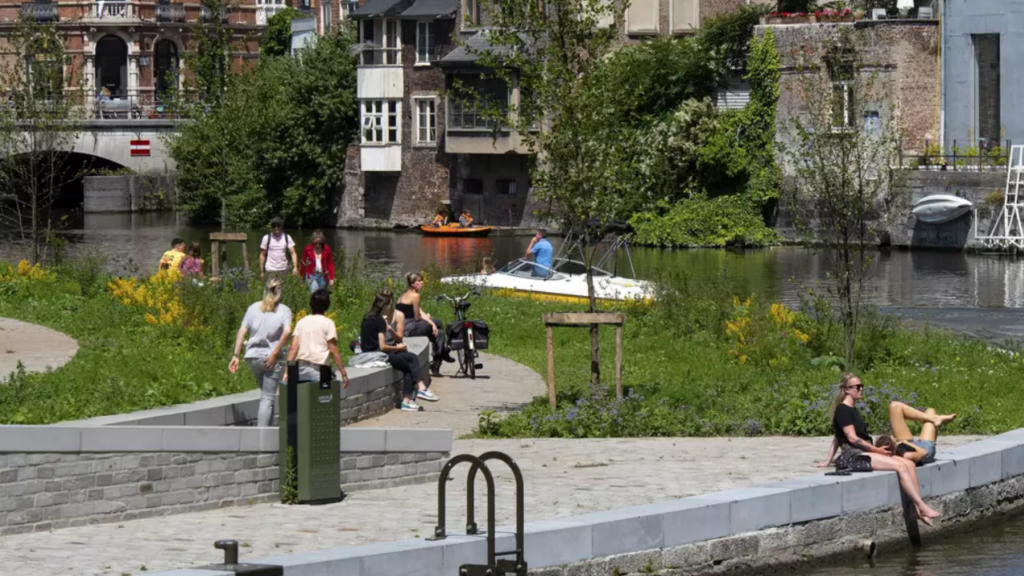
Greentrack Ghent: the sustainability ‘think and do tank’ of the cultural sector – Ghent, Belgium
Greentrack Ghent helps members collect environmental performance data, create action plans, and implement sustainable initiatives, focusing on areas like mobility, waste, food, water and energy.
Priority 6: Improving the energy efficiency of cultural buildings
Energy efficiency is key to reducing the energy consumption of cultural buildings.
As owners of heritage and cultural buildings, cities commit to improving the energy efficiency of such buildings by supporting cultural organisations in finding technical solutions to reduce their energy consumption and/or produce renewable energy on site.

Vienna’s MuseumQuartier goes green – Vienna, Austria
The MuseumQuartier Wien (MQ) is the cornerstone of Vienna’s cultural identity and is now becoming a pioneer in urban sustainability as well.

Folkwang Museum, the green museum: a pioneer in climate protection – Essen, Germany
Sustainability is an essential component of Essen’s Folkwang Museum. Guided by its “Green Museum” mission statement, the museum strives to align its operations with climate-friendly and sustainable practices, with a focus on modernizing the building’s technical systems.
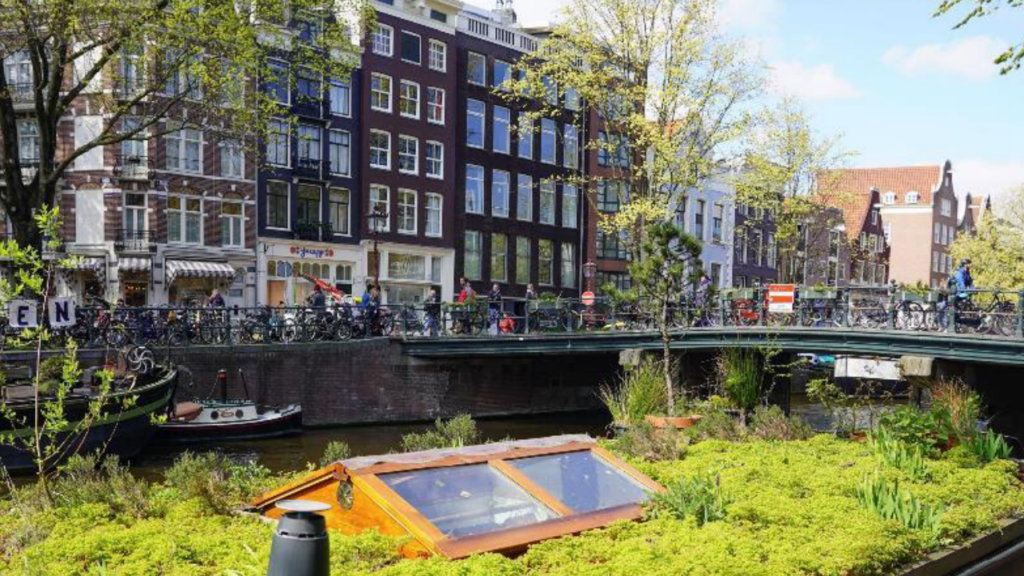
Counter for heritage and sustainability – Amsterdam, The Netherlands
To align with the Paris Agreement’s sustainability goals, the city of Amsterdam has committed to making all buildings, including its many monuments and heritage sites, more sustainable.
However, preserving the cultural and historical value of these buildings while introducing sustainability measures presents particular challenges.
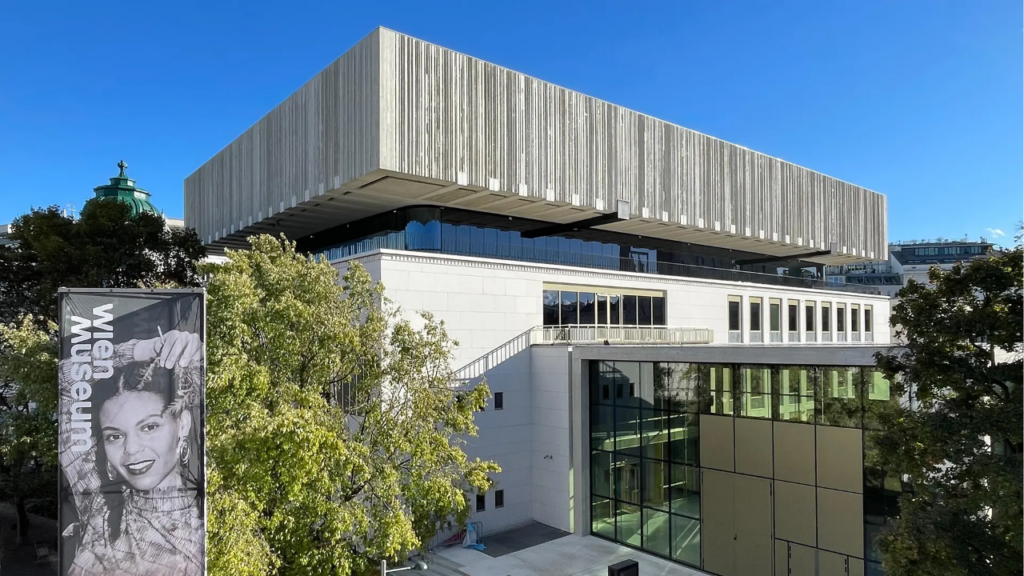
Wien Museum: Renovate, refurbish and reduce CO2 emissions
The museum's new energy management systems, from geothermal and solar power to green roofs and intelligent building services, make it a state-of-the-art sustainable building.
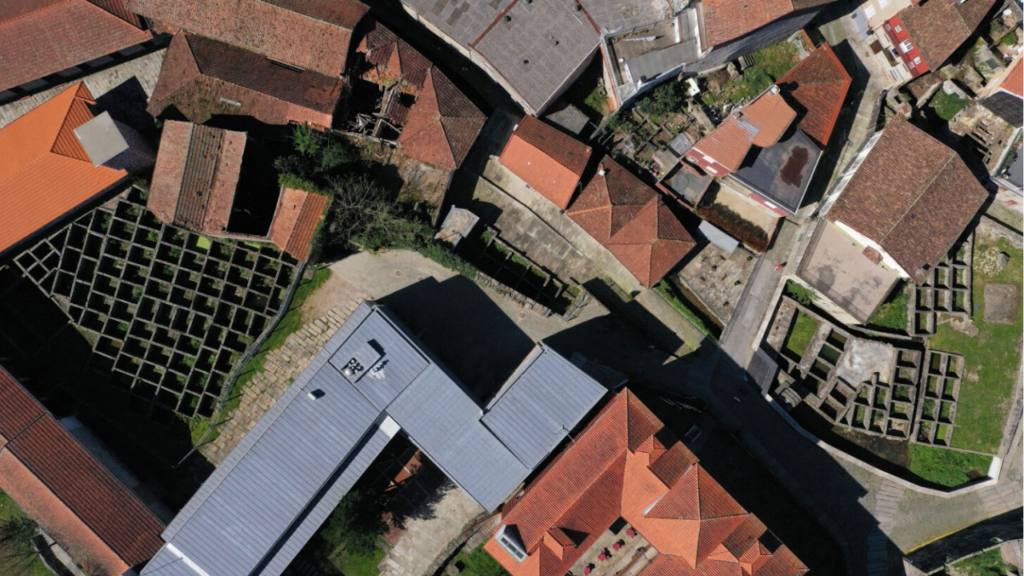
District C: Zero-carbon commitment – Guimaraes, Portugal
District C in Guimaraes is a former factory space which has been transformed into hubs for science and creativity. It is at the forefront of achieving carbon neutrality as part of the NetZeroCities Pilot Programme.
Priority 7: Assessing the environmental footprint of cultural events
Cities commit to producing, as far as it is possible, the most exhaustive carbon report possible (ideally SCOPE 3) and life cycle analysis for every cultural event organised.
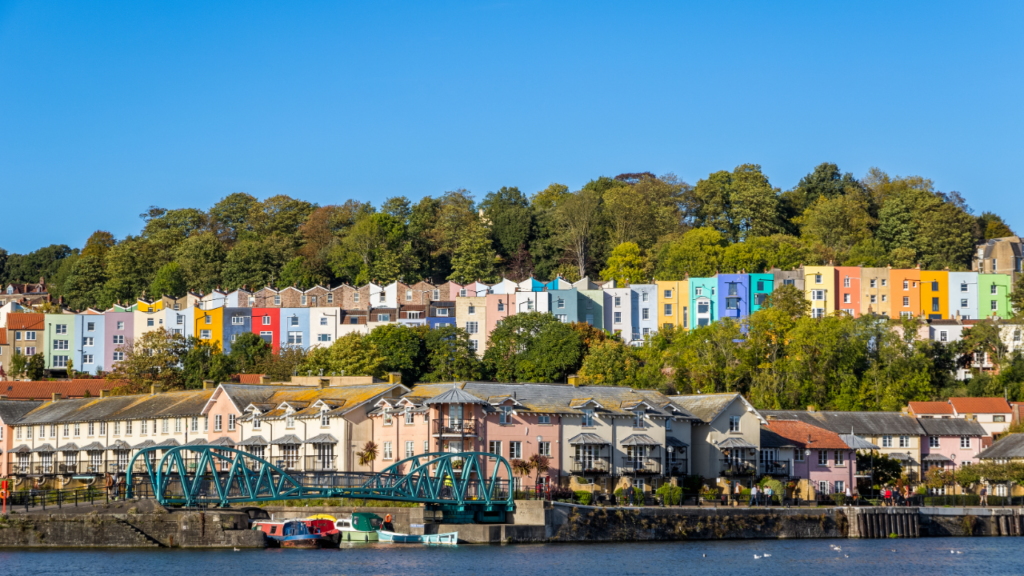
Scoring and rating events for improved sustainability – Bristol, United Kingdom
To better align cultural events with its sustainability and inclusion goals, Bristol City Council redesigned its 2025 event application process.
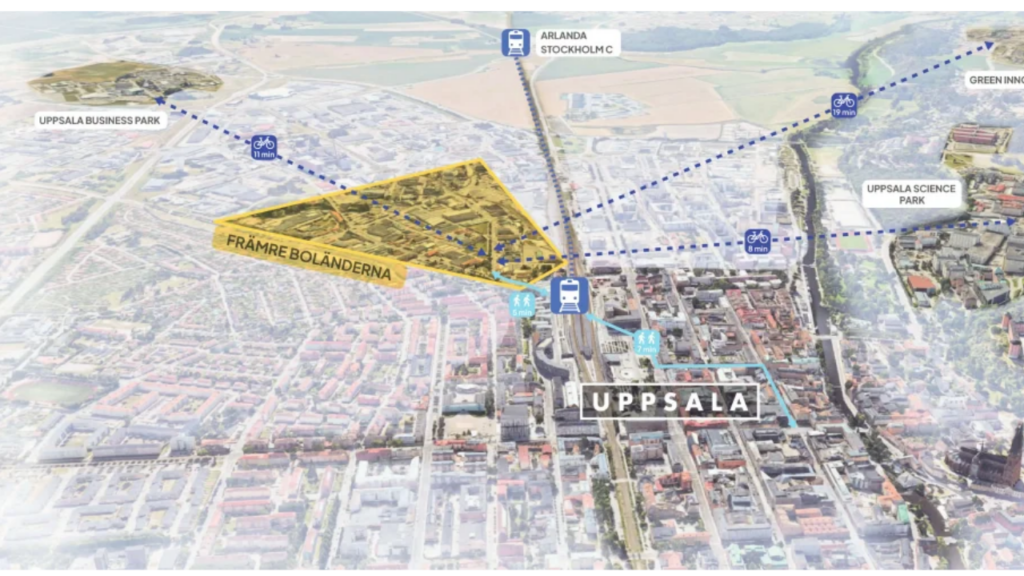
Public art and the climate impact calculation tool – Uppsala, Sweden
The Public Art Unit of the Uppsala Municipality launched a climate impact calculation tool for public art designed to help reduce the environmental footprint of artistic projects.
Carbon calculator for institutions – Dresden & Leipzig, Germany
In December 2022, the cities of Leipzig and Dresden joined forces with local organisations to develop a carbon calculator for the cultural sector that is free of charge and available to all cultural institutions and organisations in both cities.
Priority 8: Using the potential of digital technology in a responsible way
Using digital technology can help reduce unnecessary travel and thus reduce the environmental impact of cities’ activities. However, our digital habits must also evolve, as greenhouse gas emissions from the digital sector are increasing year upon year.
Cities are aware of the importance of assessing the environmental impact of our digital use, and commit to developing and implementing sustainable solutions that minimise carbon emissions from digital technologies.
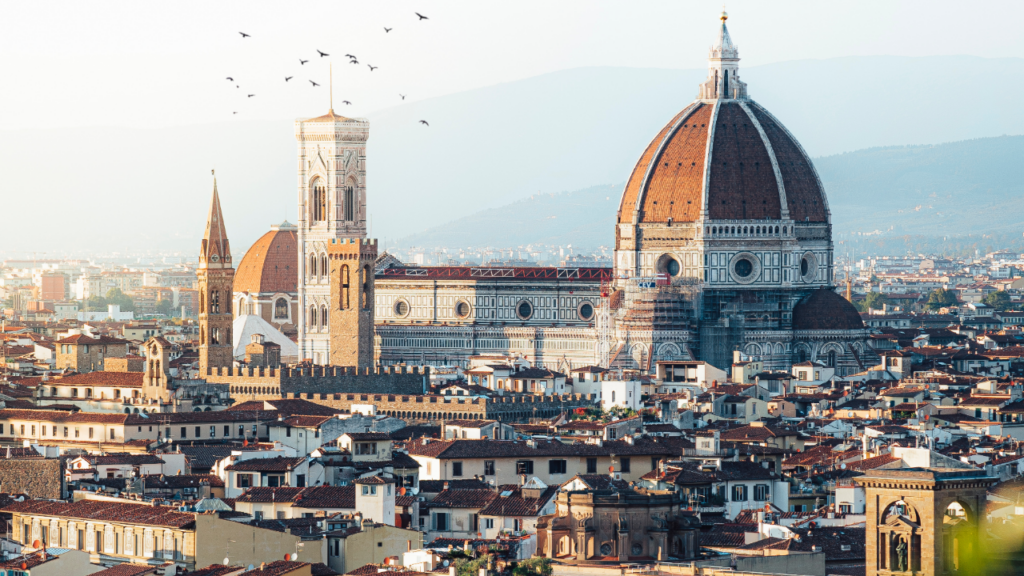
Rethinking tourism: FeelFlorence experience app – Florence, Italy
FeelFlorence is a free application which offers visitors unexpected itineraries. It facilitates the discovery of new experiences including traditional and artisan workshops and recommendations for lesser-known museums.
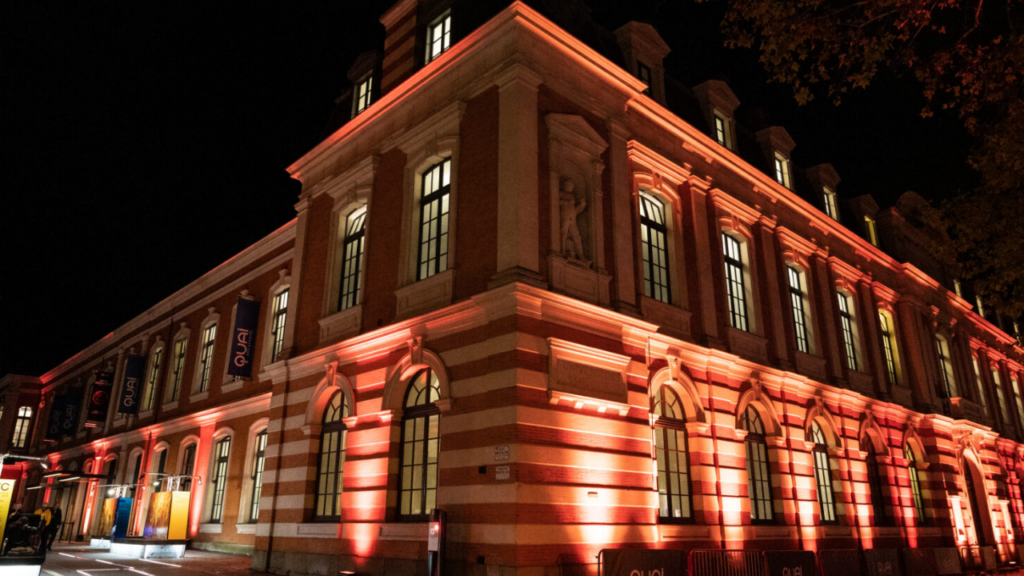
Considering the carbon footprint of digital culture – Toulouse, France
Toulouse's cultural institutions are re-evaluating their technological approach to reducing their carbon impact.
Priority 9: Training our staff and local actors on biodiversity and ecological issues
Adaptation to climate change and the preservation of biodiversity are two essential elements to ensuring a collective ecological transition.
Cities commit to increasing the awareness and skills of staff throughout their administrations, regarding both biodiversity and ecological issues, as well as issues linked to inclusion.

Gutes Klima Festival: For a more sustainable and liveable urban community – Essen, Germany
Starting in 2021, every summer, the city of Essen celebrates the Gutes Klima Festival. It combines climate protection, resource conservation and social cohesion while showing visitors concrete ways to incorporate sustainability into their daily lives.
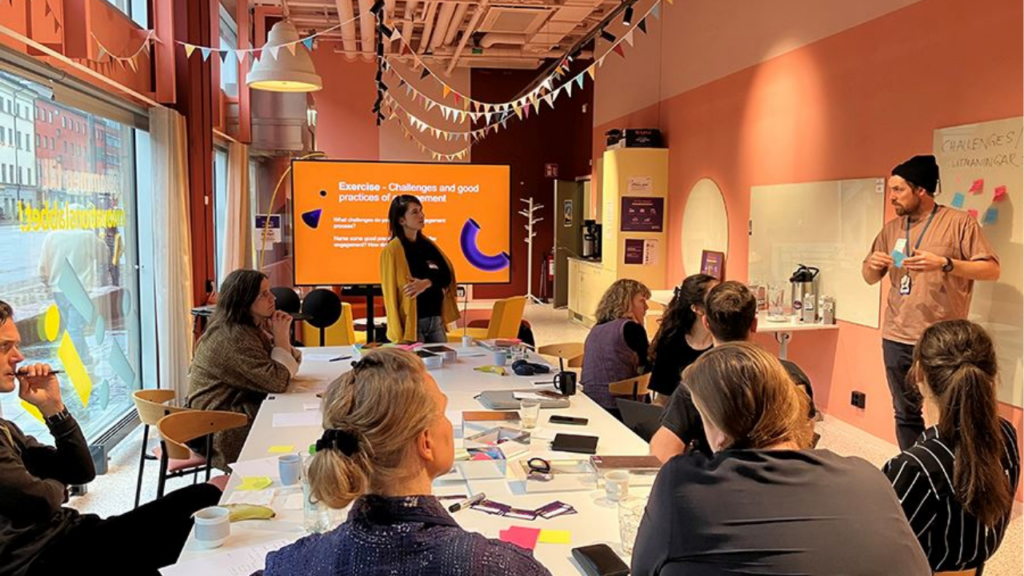
Training and capacity building for sustainable city governance – Uppsala, Sweden
The Innovation Lab – Training for Transition(s) is an initiative from Uppsala's long-term vision for sustainable urban transformation.
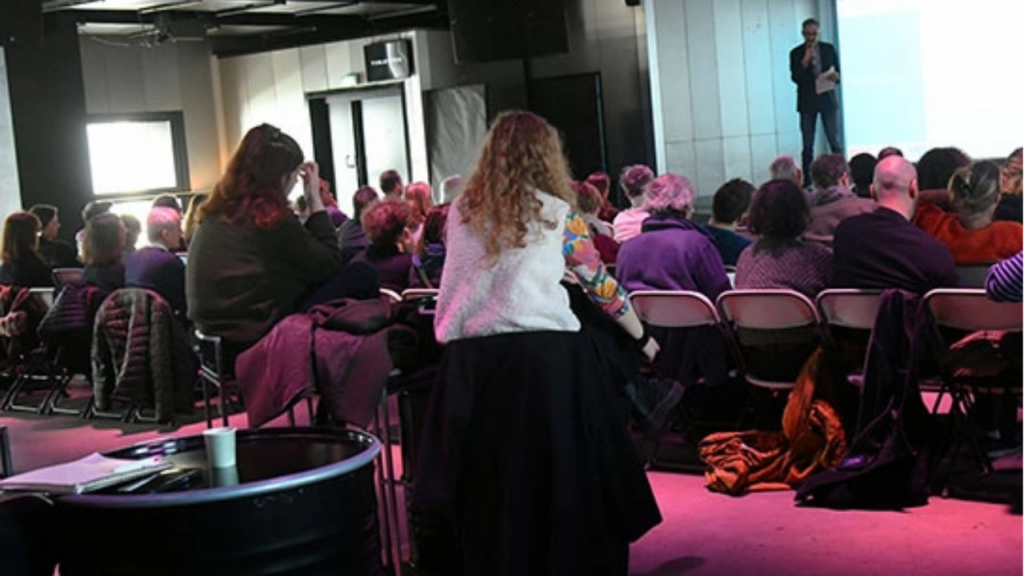
Culture for climate convention – Lyon Metropole, France
In 2023 Lyon Metropole co-organised a culture and climate convention with the City of Lyon, offering a platform for stakeholders to exchange ideas and collaborate.
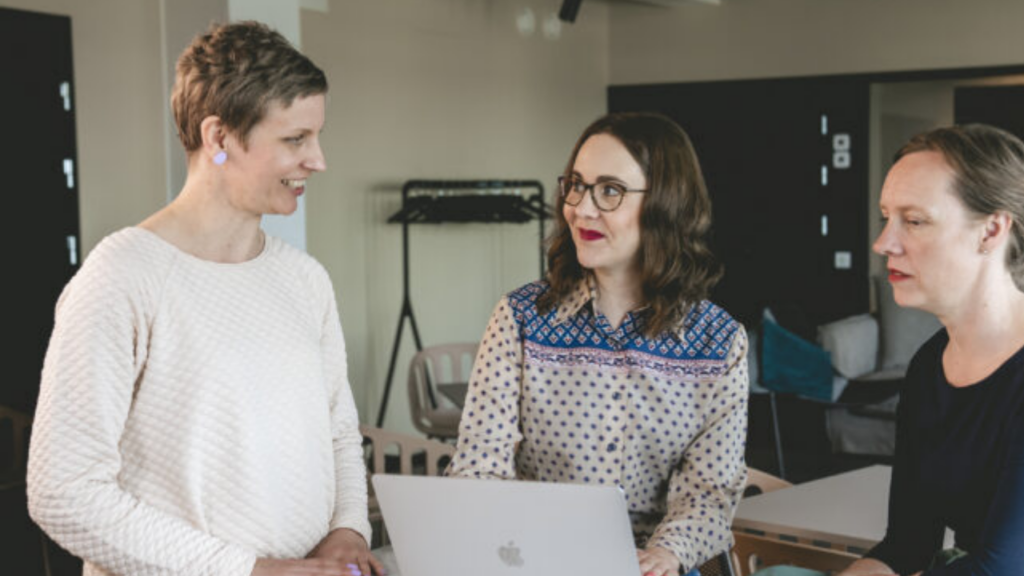
Ensuring staff and local cultural actors are trained on ecological and biodiversity issues – Turku, Finland
The city of Turku aims to ensure that biodiversity and ecological issues are widely recognised and taken seriously amongst their own staff and local cultural actors. To do so, Turku organises education for administrative staff and partner organisations.
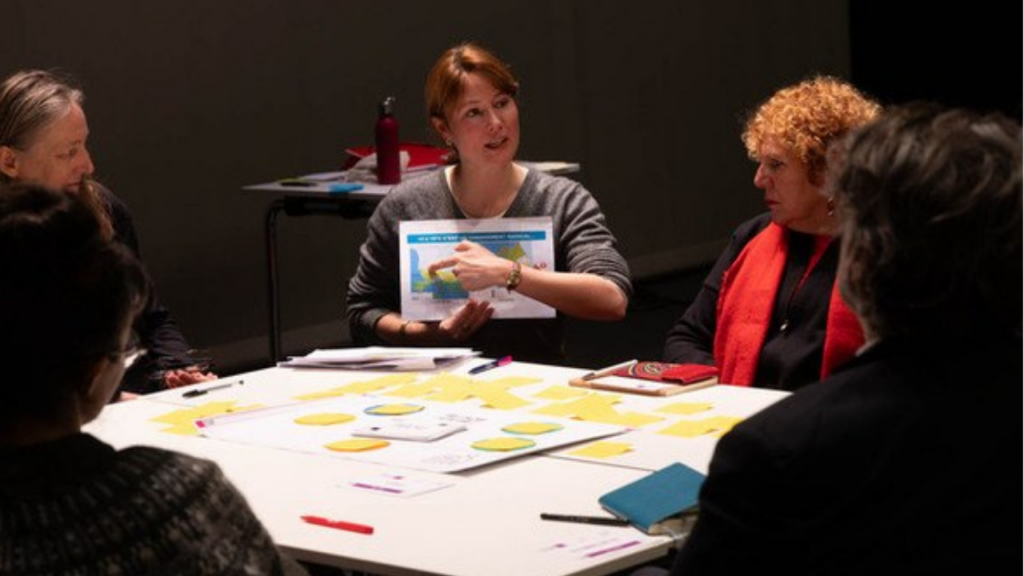
The Climate Class: A pioneering training programme for cultural professionals – Strasbourg, France
Designed for cultural professionals in Strasbourg and its Eurometropole, the Climate Class aims to raise awareness of environmental issues and provide practical tools to take effective action.
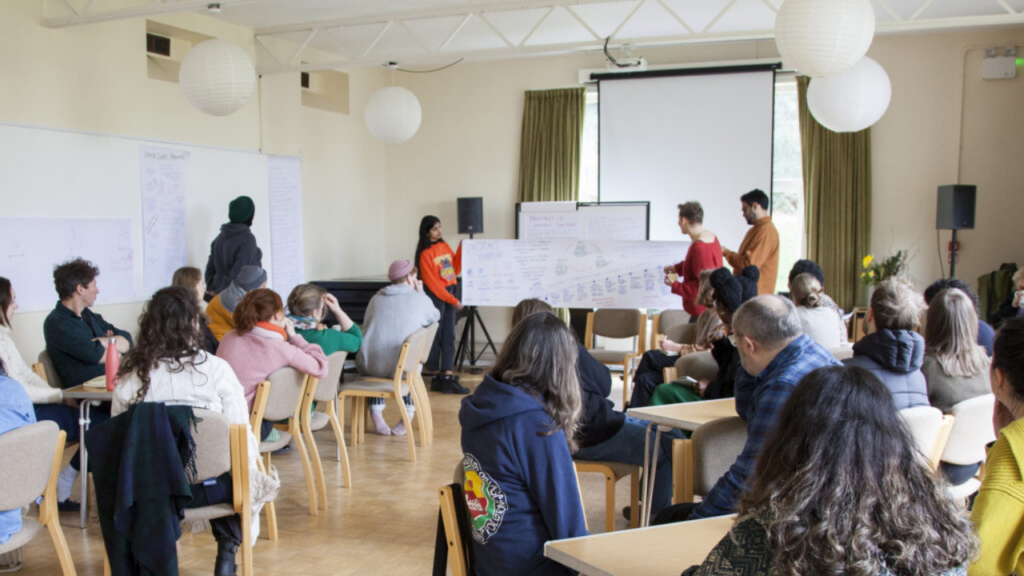
Helping cultural organisations reduce their carbon emissions – Manchester, United kingdom
Zero Carbon Culture is a guide to help Manchester’s cultural organisations go green. The online guide was produced for Manchester City along with Julie’s Bicycle, a not-for-profit supporting environmental action across the arts.
Priority 10: Having specialists to carry out public policy objectives on sustainable culture
Cities commit to appointing contact persons within their administration who can monitor initiatives aimed at making cultural policies and activities more sustainable while documenting changes and impacts on the ground.
Such persons can support local cultural organisations in their sustainability efforts. City administrations can also be supported in this journey by external specialists providing the necessary training to the city’s staff members.

Bouwmeester/Maître Architecte: From embodied memory to embodied carbon – Brussels, Belgium
Rather than treating demolition as the default path to modernisation, the region’s Bouwmeester/Maître Architecte (BMA), together with regional heritage and planning institutions, is now recognising this “young heritage” as part of Brussels’ cultural legacy.
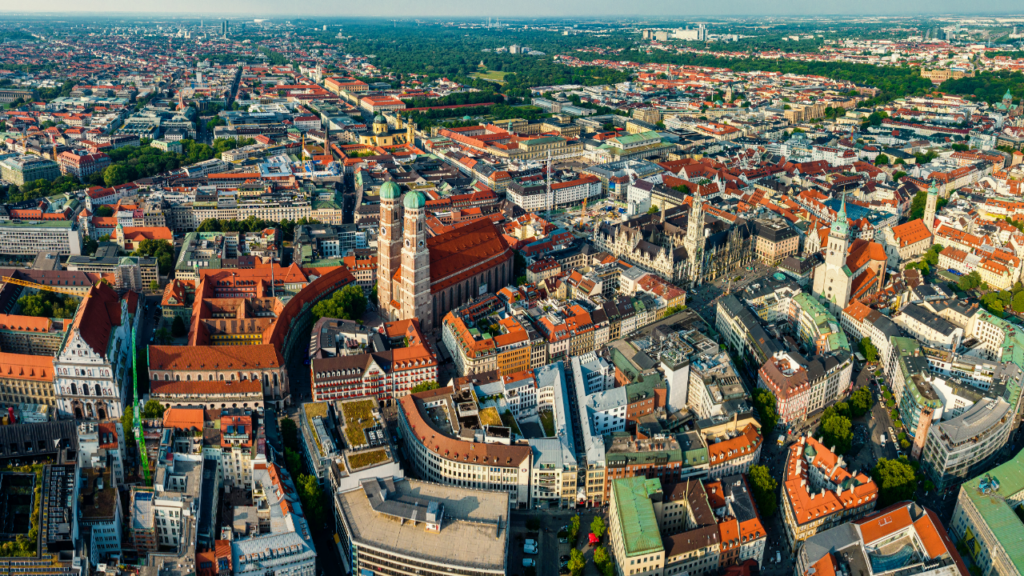
Hiring experts in sustainability – Munich, Germany
As part of its climate efforts, Munich is committed to becoming climate-neutral by 2035 and is involved in the EU Mission ‘100 Climate-Neutral and Smart Cities by 2030’. The city has initiated numerous projects, including within cultural institutions focused on reducing the sector’s carbon footprint.
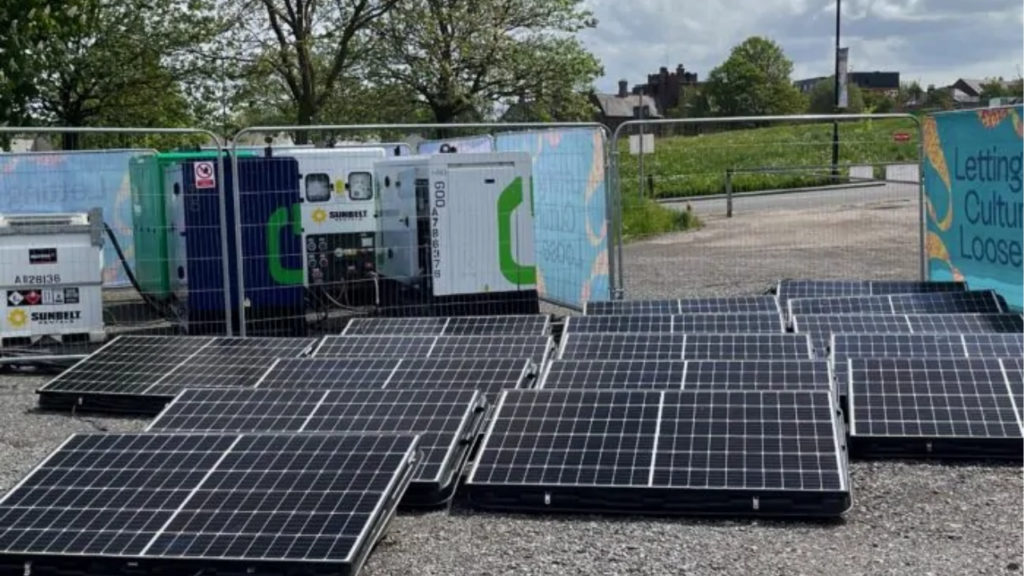
SAIL: Sustainable arts in Leeds
SAIL supports Leeds Cultural Investment Programme (LCIP) organisations to collect and report on their environmental data, with resources scaled to the size of the organisation and level of funding received from LCIP.
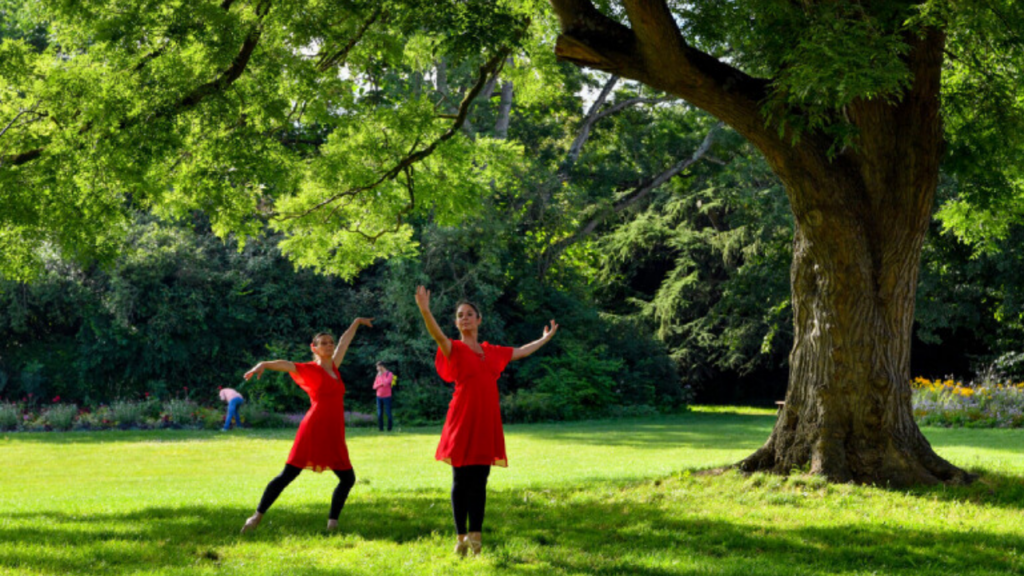
A global strategy with new tools for sustainable culture – Lille, France
After signing of the Call to Action, the City of Lille identified 51 commitments to promote the transformation of professional practices in the cultural sector.
Pillar II
Inclusion in culture and through culture
Priority 11: Providing access to cultural programmes for all, ensuring that barriers to access to culture are addressed
An ambitious cultural policy fosters the conditions for creativity and expression for all, at all stages of life, regardless of their social background.
To achieve a more inclusive society, cities commit to facilitating access to cultural activities for all inhabitants of our territories and neighbouring areas, and to removing barriers to cultural access such as socio-cultural, geographical, economic and technological barriers.

Free Spaces: Club culture in public spaces – Vienna, Austria
Free Spaces, a project designed exclusively for DJs which offers them potential venues and unbureaucratic conditions to legally organise events.
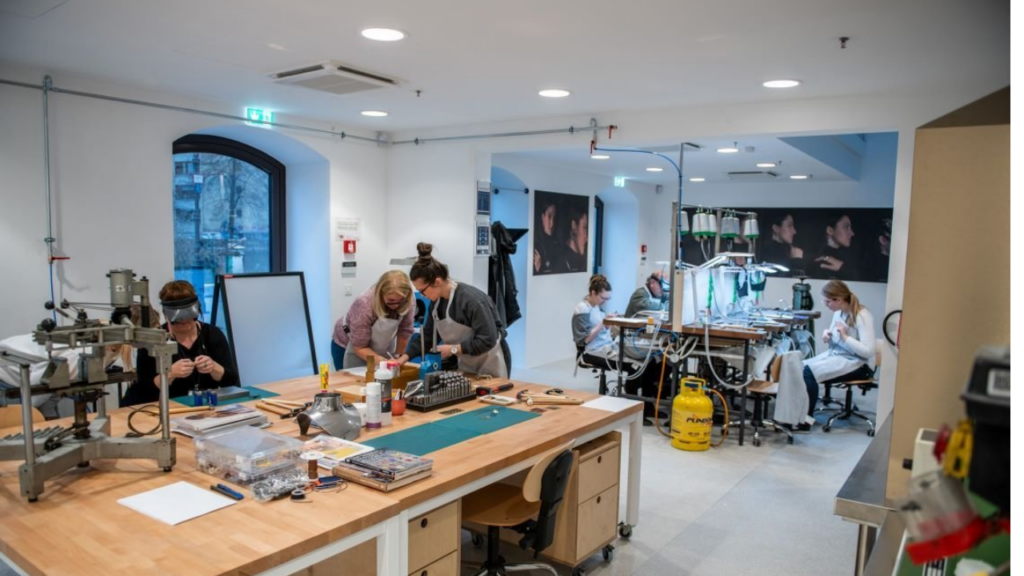
Center Rog: a collaborative hub bridging sustainability and creativity – Ljubjana, Slovenia
The Center Rog Creative Hub, funded by the City of Ljubljana, is a dedicated space covering 8,500 m2, supporting entrepreneurs in applied arts, crafts, design and architecture, with a strong focus on sustainable development.
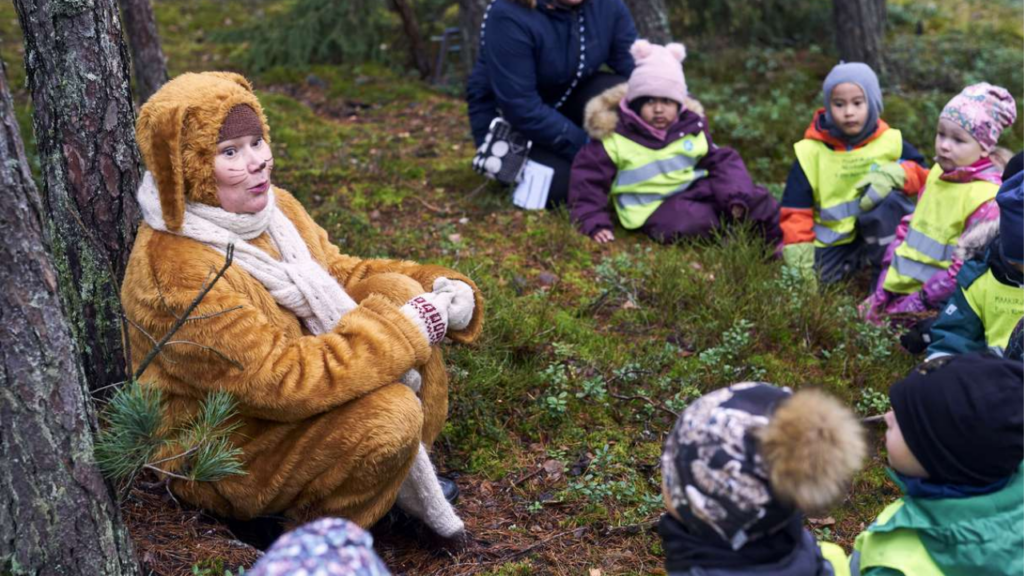
Growing up with culture – Espoo, Finland
In Espoo, cultural services are a key part of the city’s strategy for sustainable and inclusive development, guided by the city as a service approach and as part of the CultureEspoo2030 programme. This long-term vision sees culture and art as essential to promoting equality, wellbeing, and a sense of community.
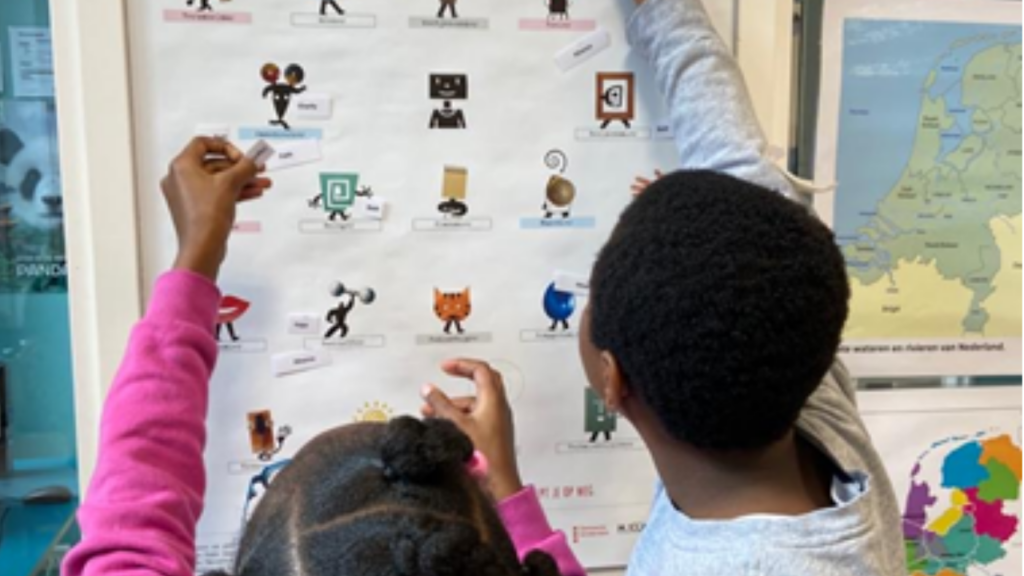
The culture coach: Equal opportunities in cultural education- Amsterdam, The Netherlands
Amsterdam places inclusion at the heart of its cultural policies, aiming to broaden and diversify arts and culture across the city. Between 2021 and 2024, all municipally funded cultural institutions developed inclusion action plans covering personnel, programming, partnerships and audiences.
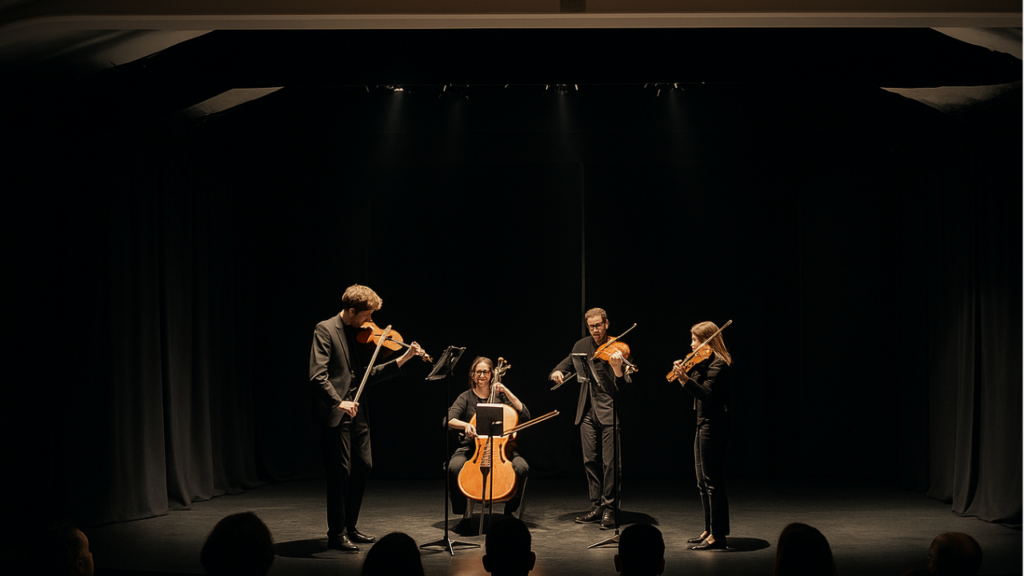
Connecting new audiences to classical music with Musica Guiada – Gijon, Spain
The city of Gijon launched the Música Guiada (Guided Music) initiative to make classical music accessible to new audiences, particularly those who do not usually engage with this type of cultural activity.
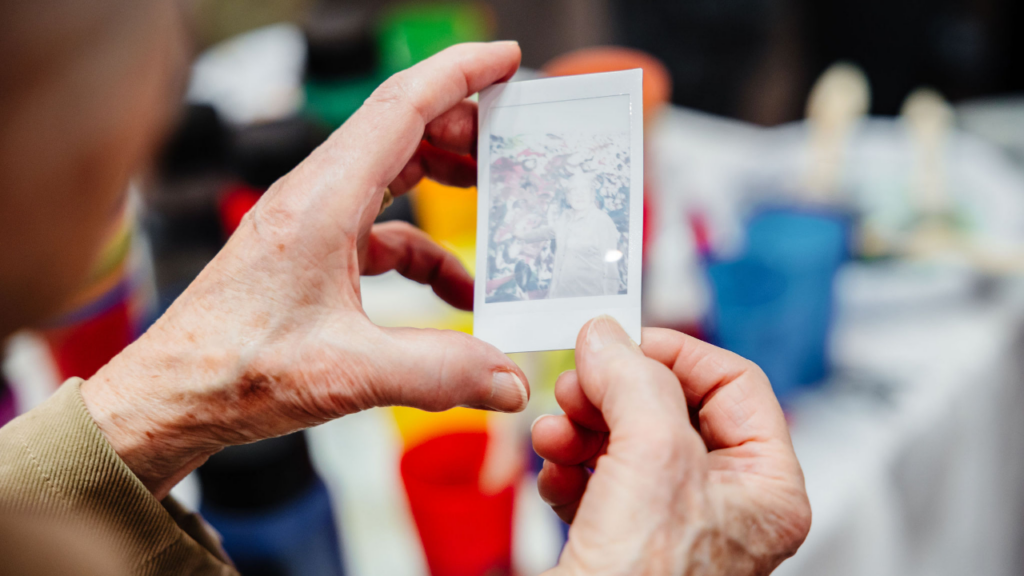
Culture around the corner -Turin, Italy
To address cultural access gaps in suburban areas and engage diverse audiences, the city of Turin and Fondazione Compagnia di San Paolo developed the Cultura dietro l’Angolo (Culture around the Corner) initiative.
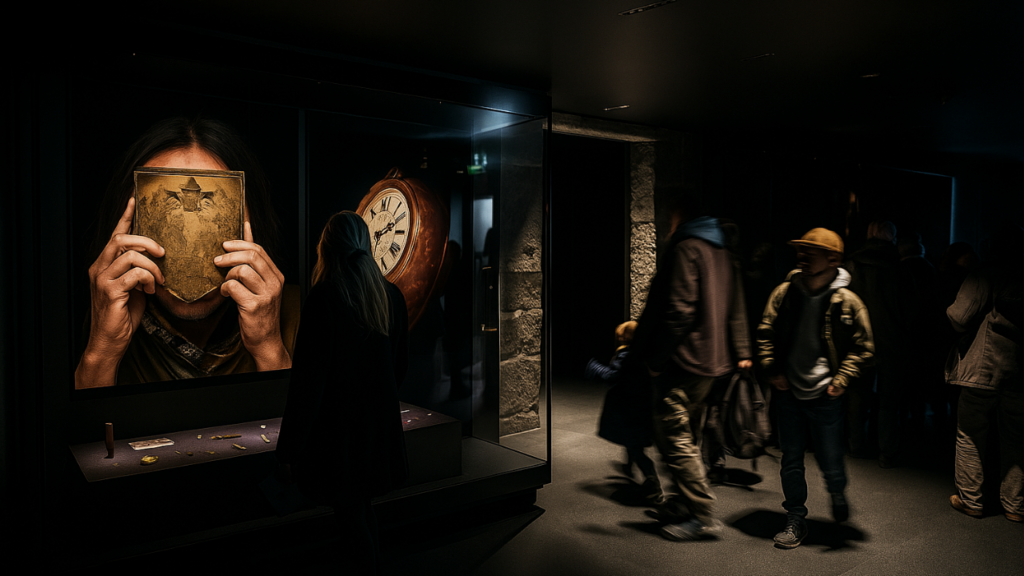
A museum of fine arts close to the residents – Rennes Metropole, France
In February 2025, for the first time in France, a fine arts museum opened in the heart of a deprived neighbourhood in Rennes, reflecting the city’s desire to rethink urban spaces and foster inclusivity.
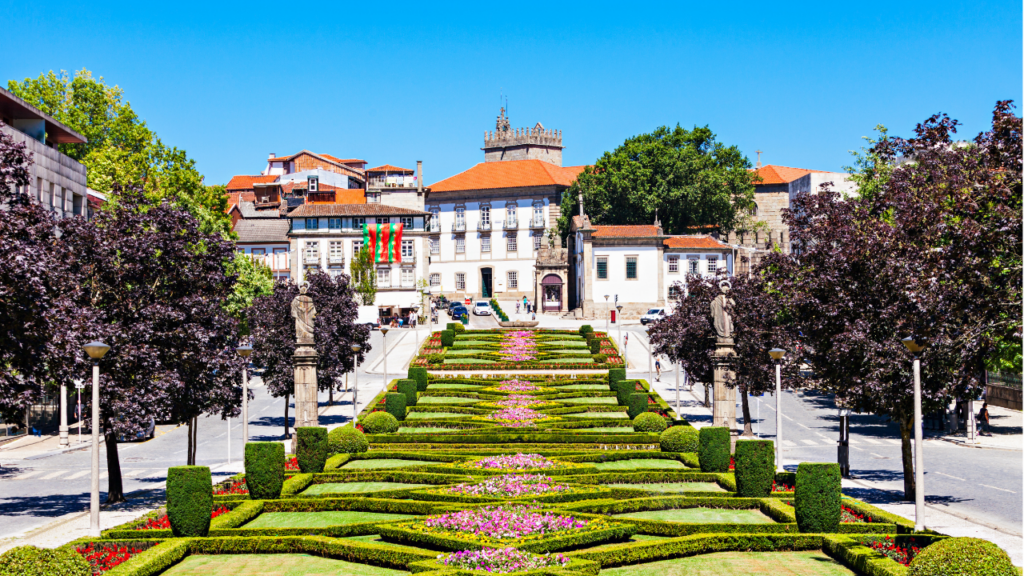
Bring culture outside the city centre (II) – Guimaraes, Portugal
The municipality of Guimarães, the 2026 European Green Capital, believes in the fundamental role culture plays in the dynamics of urban regeneration.
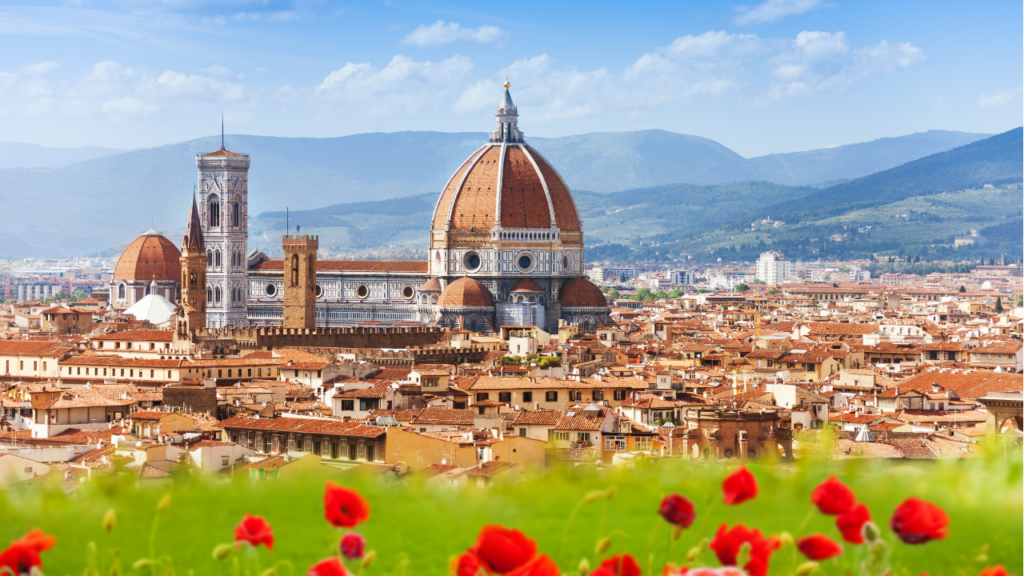
Bringing culture outside the city centre (I) – Florence, Italy
Since 2012, Florence has developed Estate Fiorentina (the Florentine Summer) into a six-month, city-wide cultural festival that promotes inclusion, accessibility, and social cohesion.
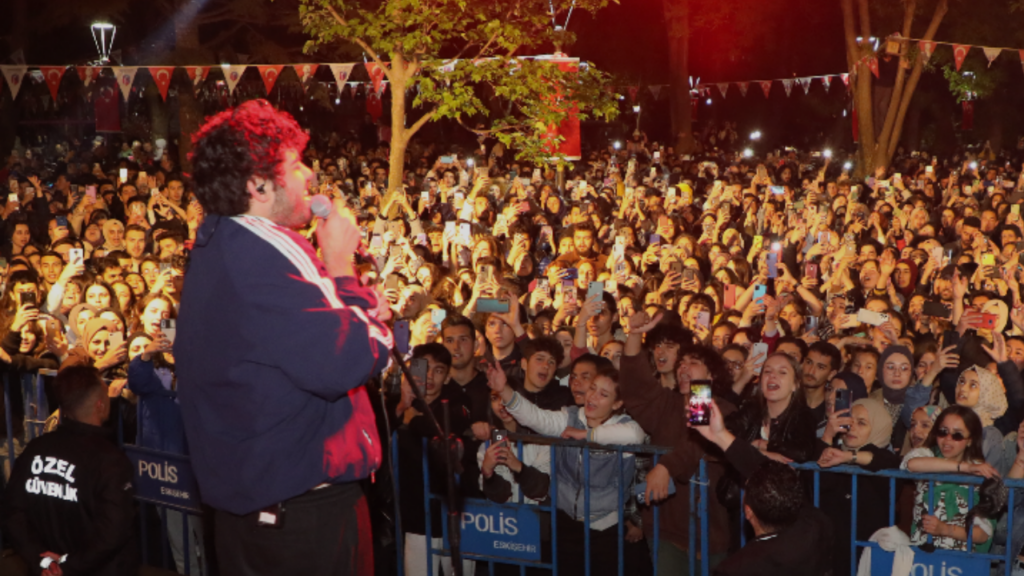
Making cultural activities accessible to all – Odunpazari, Turkey
The Municipality of Odunpazari has undertaken many steps to make culture more accessible in the city. Firstly, all events organised by the municipality are open to the public and free of charge.
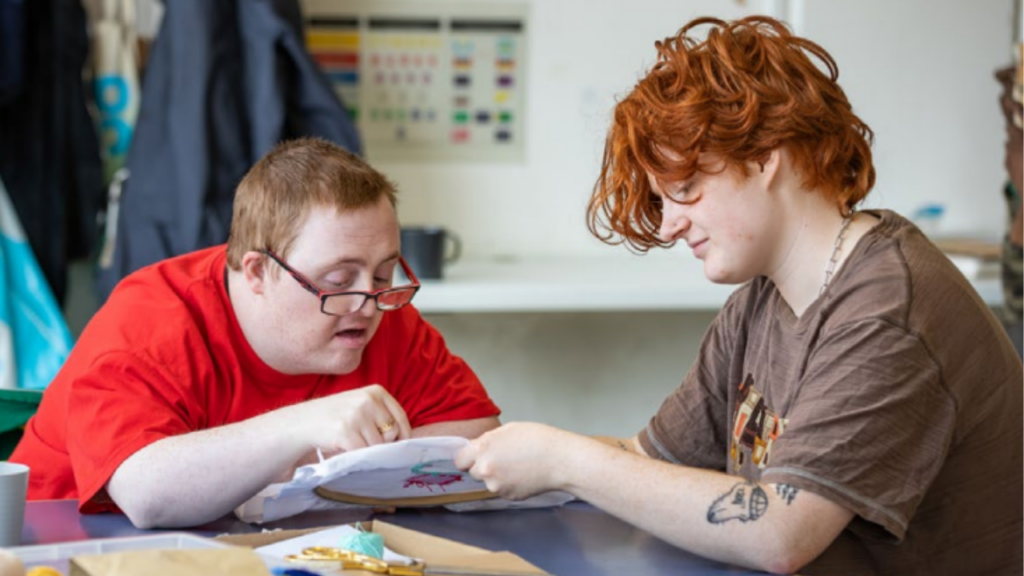
Reintroducing traditional cultural noticeboards – Manchester, United Kingdom
As part of Manchester's new cultural framework, Always, Everywhere: Manchester’s Cultural Ambition 2024-2034, the city is committed to fostering an inclusive and sustainable cultural environment.
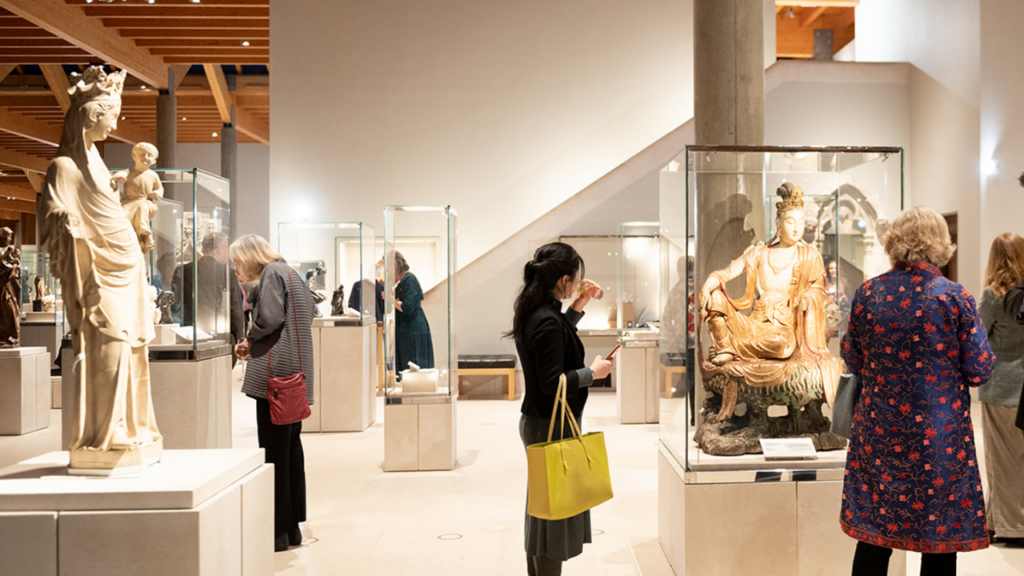
The Burrell Collection: How community co-design can create accessible, inclusive and sustainable museums – Glasgow, United Kingdom
Following a six-year closure for major refurbishment and redisplay, Glasgow’s Burrell Collection reopened in 2022.
Priority 12: Developing ambitious cultural projects for vulnerable groups
Excluded audiences are those for whom cultural sites or activities have not been designed or adapted, which can lead to limited participation in the city’s cultural life or a less engaging physical or intellectual experience. In the interests of fair access to art and culture, cities commit to inclusion both through culture and within culture.
This includes developing cultural and artistic activities that raise awareness of different types of vulnerability, including those related to disability; making cultural venues and events more accessible to vulnerable or disabled people; supporting projects that foster intergenerational dialogue and connect audiences across different stages of life; and organising cultural activities in settings such as social centres, hospitals, prisons, or homes for the elderly to reach those who might otherwise be excluded.
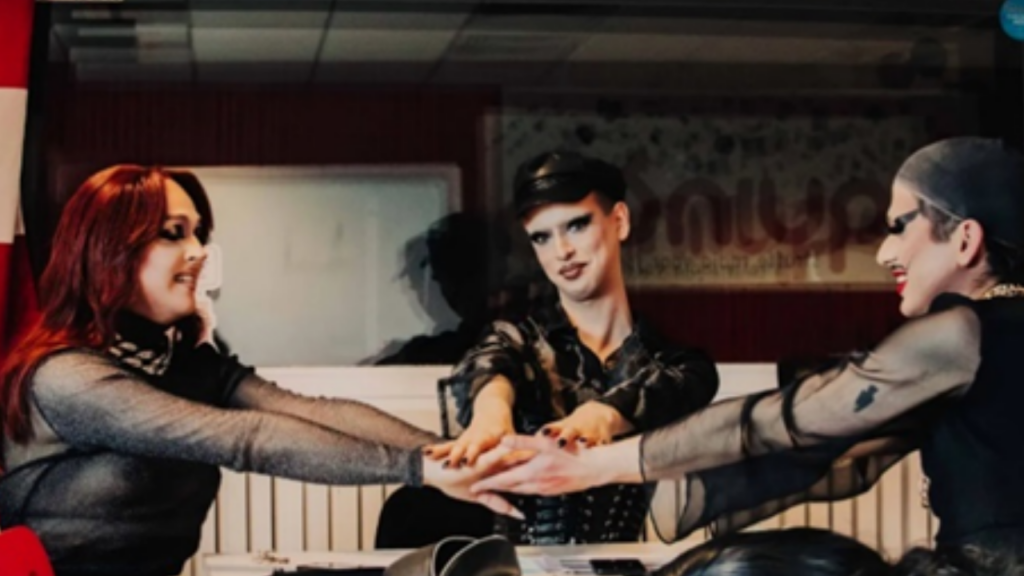
Creating safe(r) spaces: Queer safe(r) space for culture – Kortrijk, Belgium
he city of Kortrijk has made significant strides in fostering a more inclusive and diverse cultural scene, with supporting initiatives like Qace [kweis, queer space] which began as a group of young people looking for a safe(r) queer space in the cultural sector.
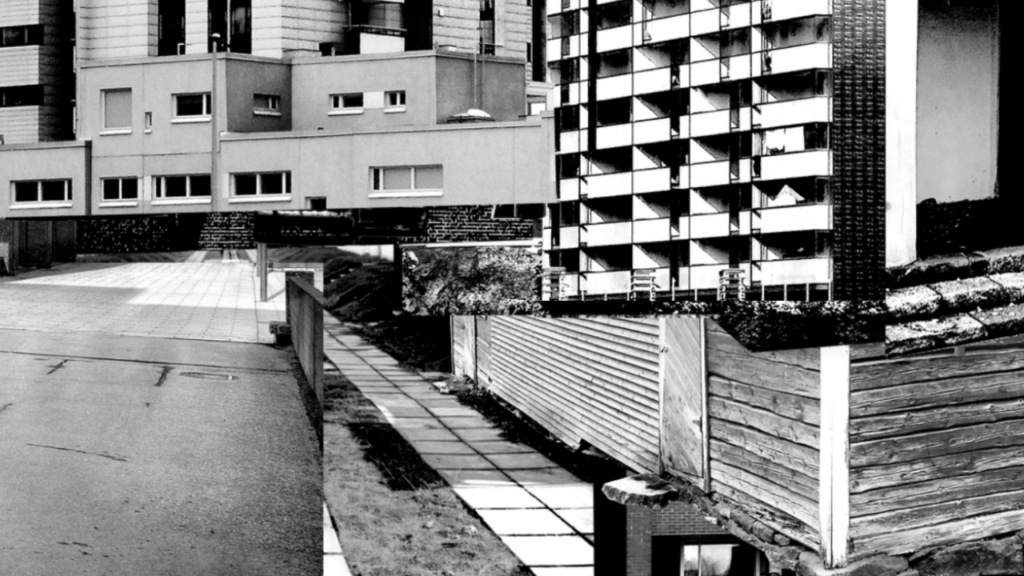
Preserving local stories through seniors and artist collaboration – Espoo, Finland
n 2024, the city of Espoo launched a series of workshops where elderly residents in sheltered housing units shared their memories of the city. This initiative aimed to preserve Espoo’s history while celebrating the contributions of its senior population.
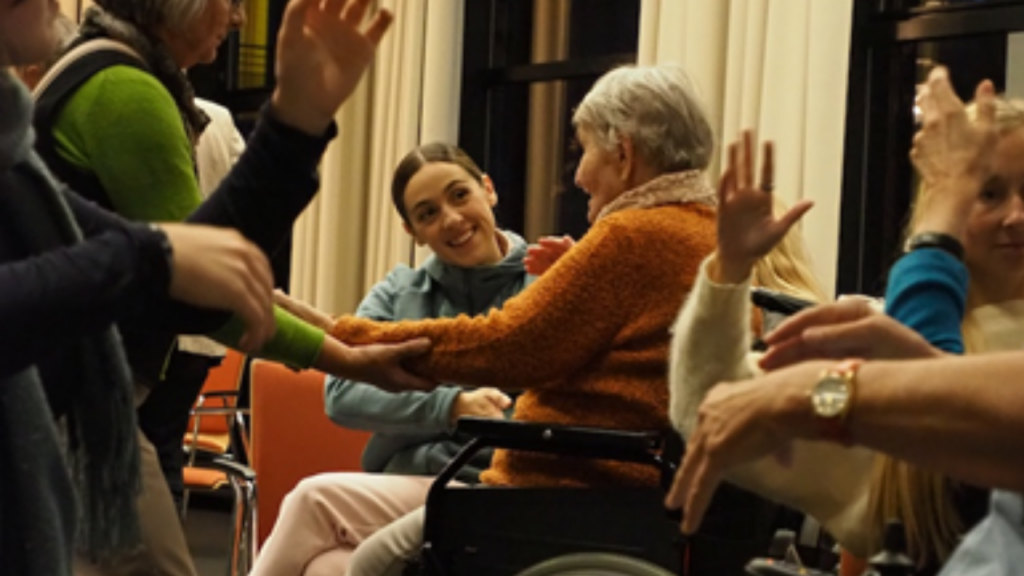
Book your fun: Participatory workshops in care centres – Munich, Germany
Inspired by EU-funded exchanges on creative ageing, the City of Munich launched a pilot project in 2024 aimed at improving the health and well-being of people in care facilities.
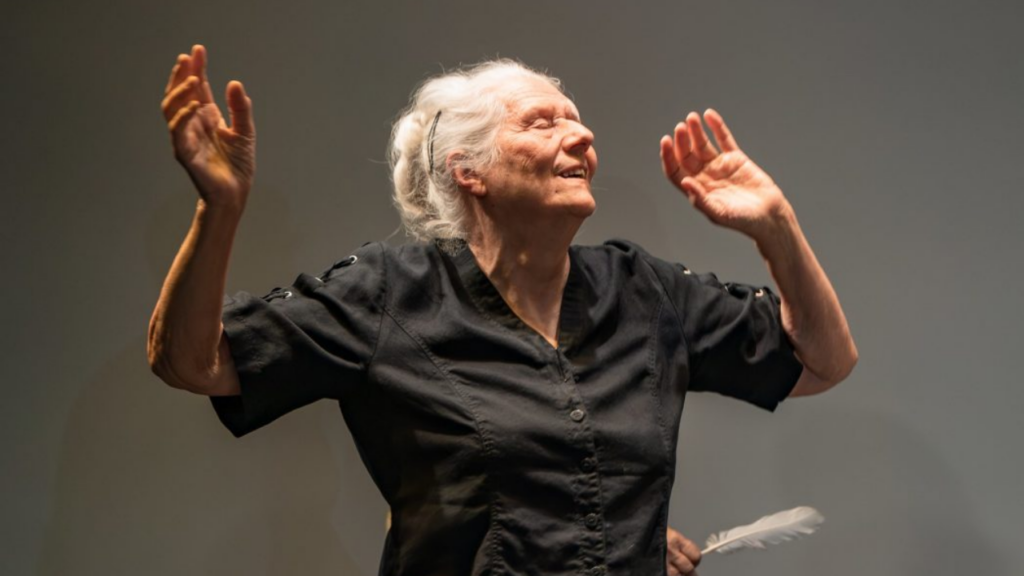
Celebrating creative ageing – Helsinki, Finland
Helsinki is actively promoting creative ageing and taking comprehensive measures to ensure that cultural rights are upheld for people of all ages and in all life situations.
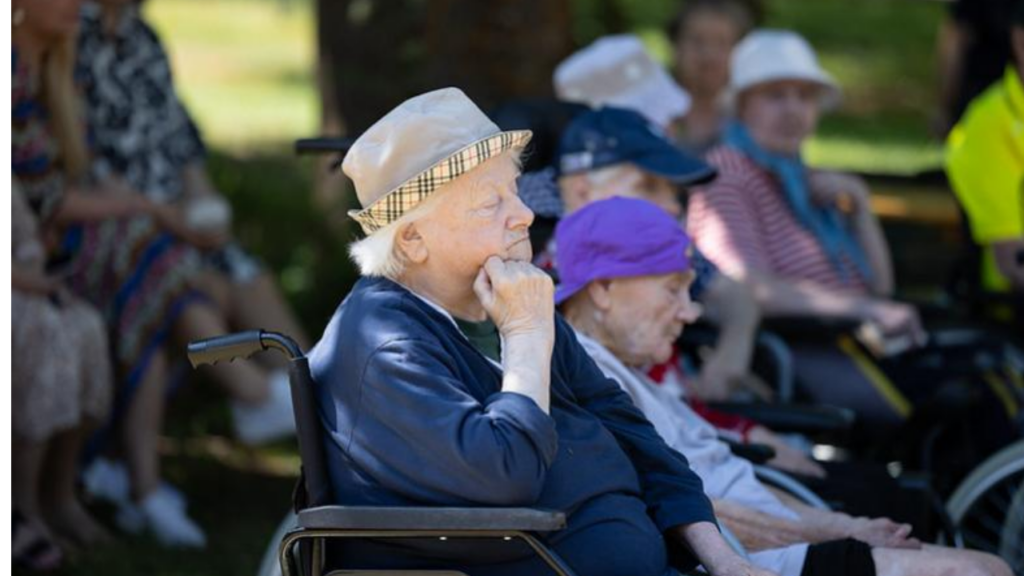
Supporting access to culture for people with special needs – Tallinn, Estonia
Tallinn supports professional cultural projects that are developed with a specific target group in mind and in consultation with representatives of the target group or relevant experts to improve accessibility.
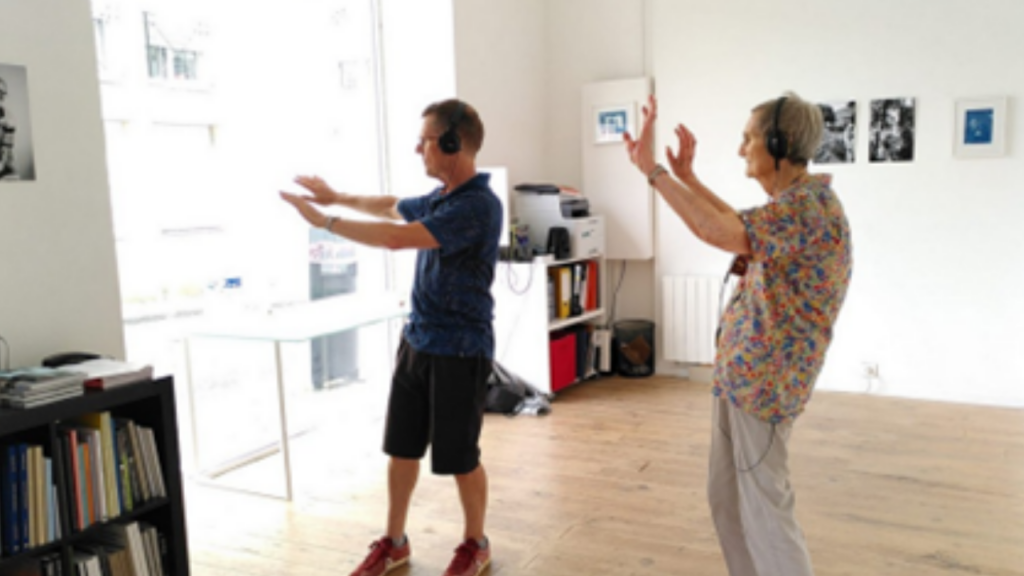
Combatting isolation through cultural expression – Nantes, France
The City of Nantes is implementing a cultural policy strategy where residents are key players and contributors. Creating accessible opportunities for meaningful experiences, combatting isolation and enhancing the quality of life for the most vulnerable are part of the local political priorities, based on the principles of social justice.
Priority 13: Taking creative climate action to improve health and wellbeing
Artists and designers are agents of change, and cultural experiences can have positive benefits on health, mental health and wellbeing, help develop confidence, dignity and new skills, and create new links between people.
Cities commit to exploring the opportunities to integrate climate considerations with health programmes through arts and culture, tackling the existential climate crisis humanity is facing.

Peinture Parking: Painting the rooftops to cool the city – Toulouse, France
Victor Hugo and Les Carmes are two covered markets with rooftop car parks located in the historic heart of Toulouse. With surface areas of 3,000 m² and 2,000 m² respectively, their rooftops act as significant points of heat capture within the urban heat island of the city centre.
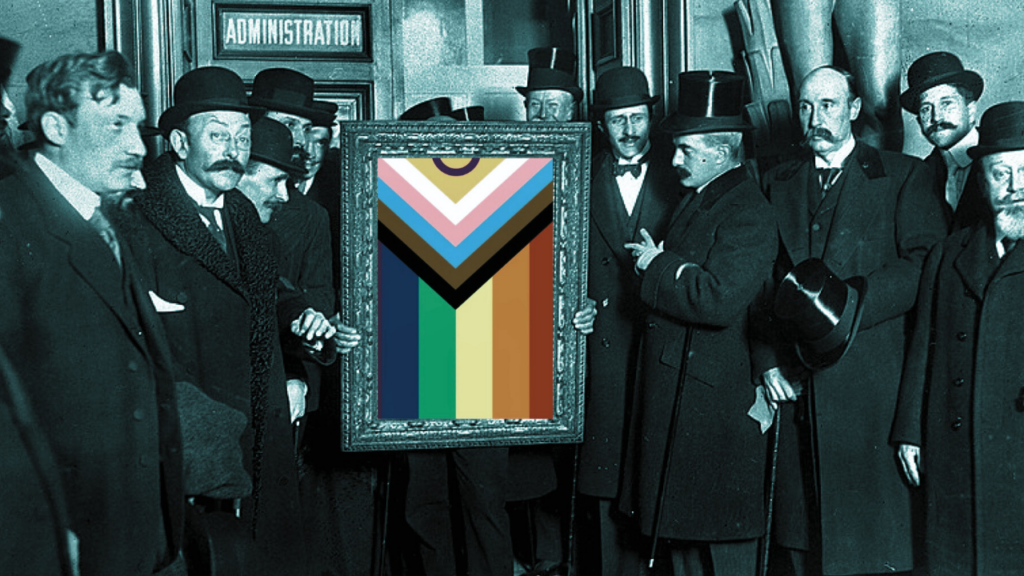
Linking culture, health and inclusion – Bologna, Italy
Bologna, a city renowned for its rich cultural heritage, has developed an integrated strategic plan for its civic museums (2025–2029) to respond to emerging challenges in cultural tourism, public health, sustainable finance, and civic engagement.
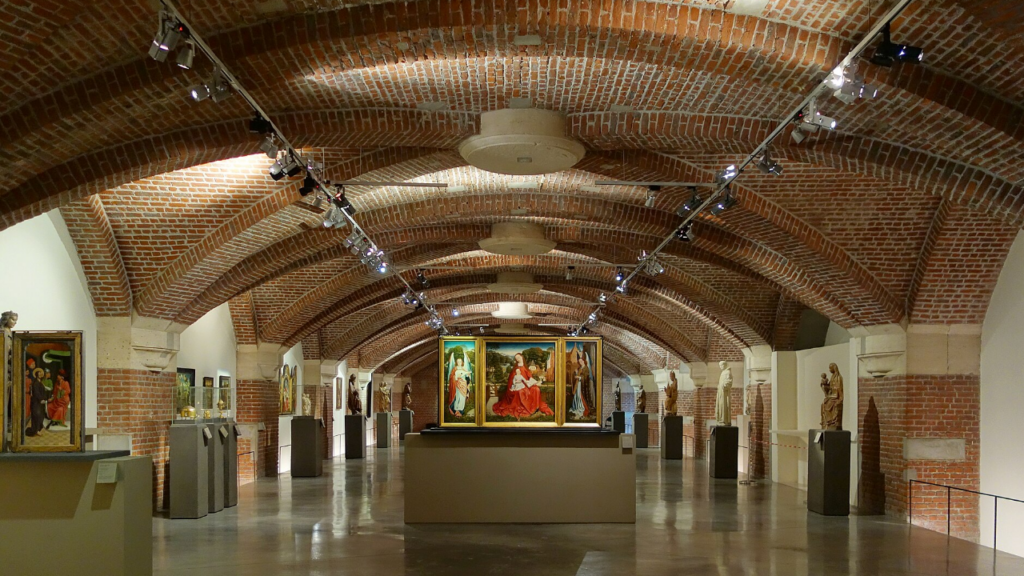
Art therapy sessions at the Museum of Fine Arts – Lille, France
The city of Lille recognises the important role of culture in supporting well-being, health, and social inclusion. In response, it is developing a targeted cultural offer that connects cultural, health, and social policies across municipal services and local organisations.
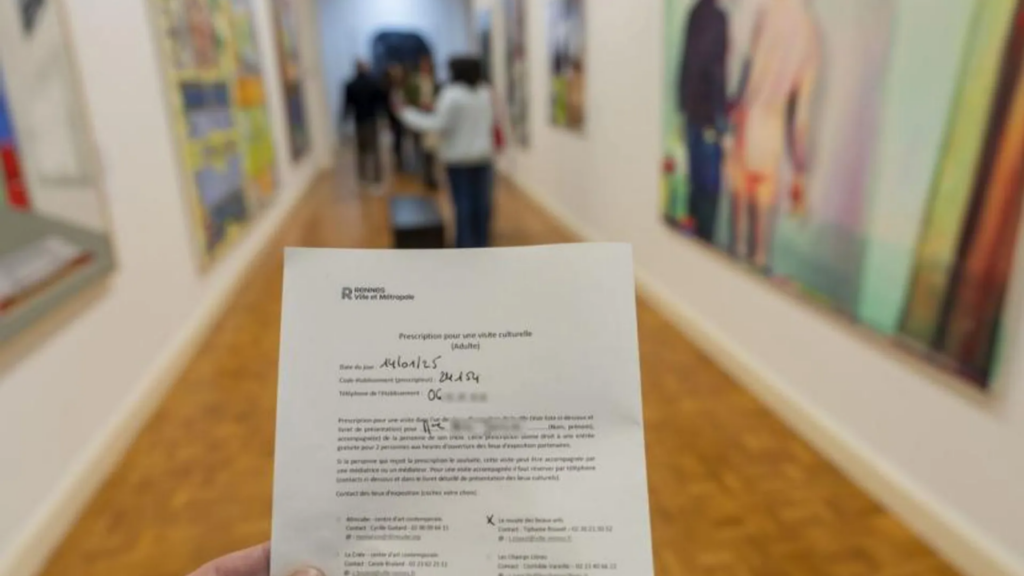
A rising trend: Cultural prescriptions – Rennes, France
Since 2022, Rennes and Rennes Metropole have tested museum prescriptions allowing patients, upon recommendations by health professionals’ recommendation, to access free cultural activities at partner museums and art centres.
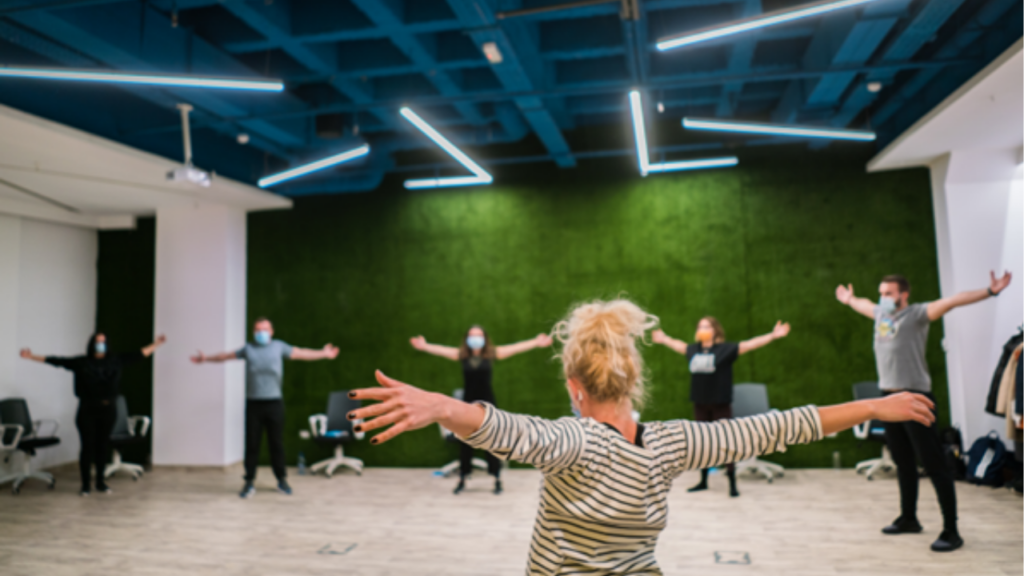
Overcoming burnout through the arts – Cluj-Napoca, Romania
In 2020, the city of Cluj-Napoca identified an increasing need to address mental health challenges and burnout, issues that had been present before but were significantly intensified by the COVID-19 pandemic.
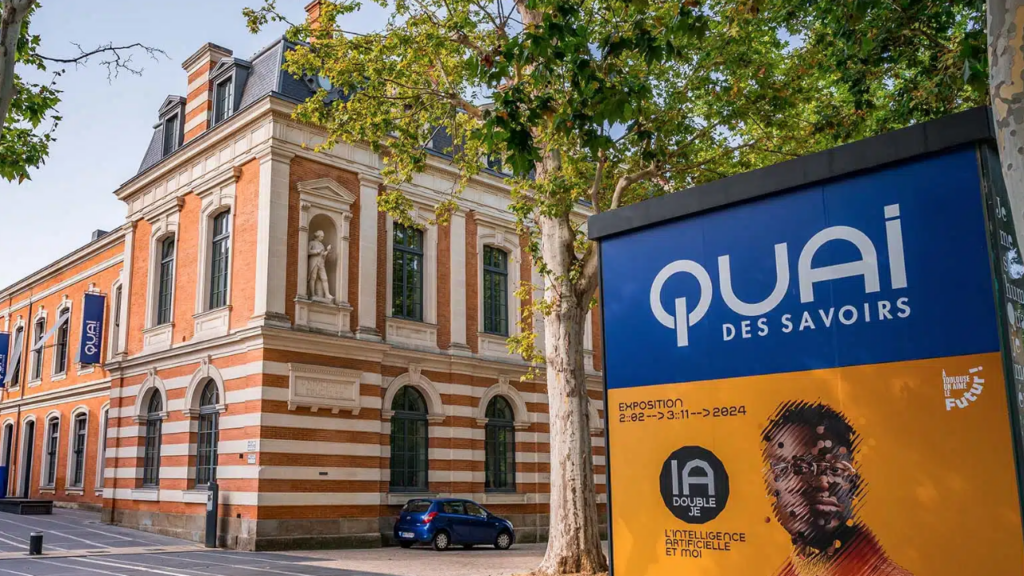
Biodiversity, pollution and climate change in cultural centres’ programming – Toulouse, France
n Toulouse Metropole, two municipal cultural centres are particularly engaged in taking creative climate action: the Quai des Savoirs (Platform of Knowledge) and the Museum of National History. Both are part of the department of scientific, technical and industrial culture of the Metropolis.
Priority 14: Strengthening cultural and artistic diversity
The protection and celebration of all cultures is essential to ensuring cultural diversity on urban territories, and all cultures deserve equal status. Cities commit to favouring the conditions of creation for all artistic expression, without discrimination, and to ensuring favourable conditions for the participation and enjoyment of everyone.
Cities also commit to cultural policies that support the creation of a modern urban cultural heritage whilst preserving and enhancing that of the past. This involves assigning value and space to contemporary and emerging artistic and cultural trends, without normative judgement.
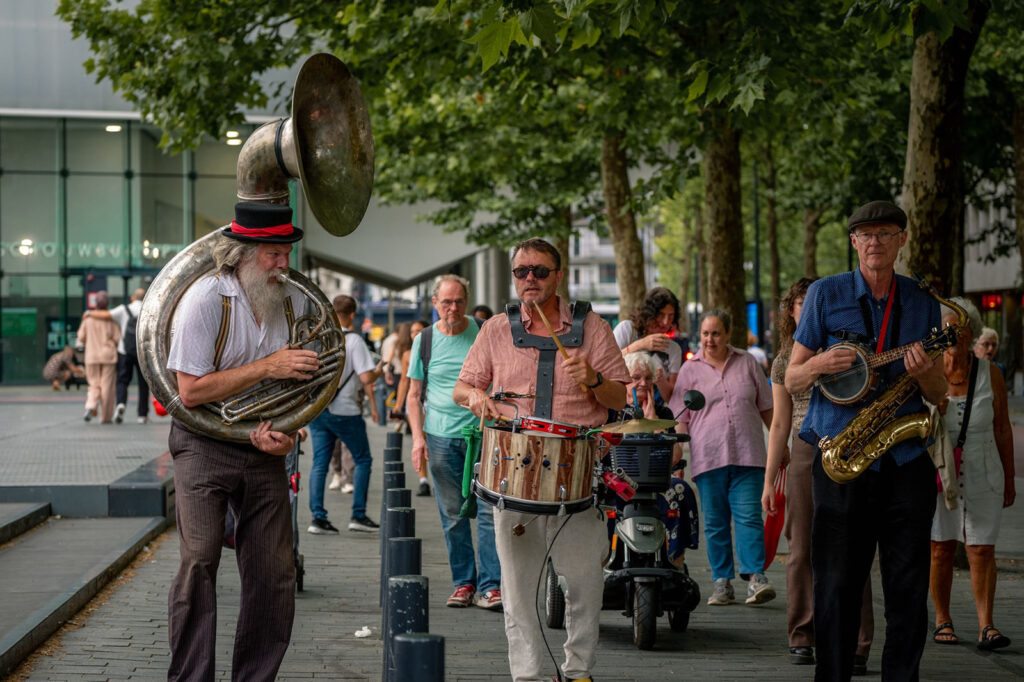
Holy Houses: Bridging religious heritage, communities and creation – Rotterdam, The Netherlands
The city launched Heilige Huisjes – Holy Houses, a festival focused on the modern role that places of worship play for culture, spirituality, and social gathering. The festival is jointly organised by the city of Rotterdam and De Kerkvernieuwers, and brings together cultural organisations, local authorities, residents, artists, and heritage managers.
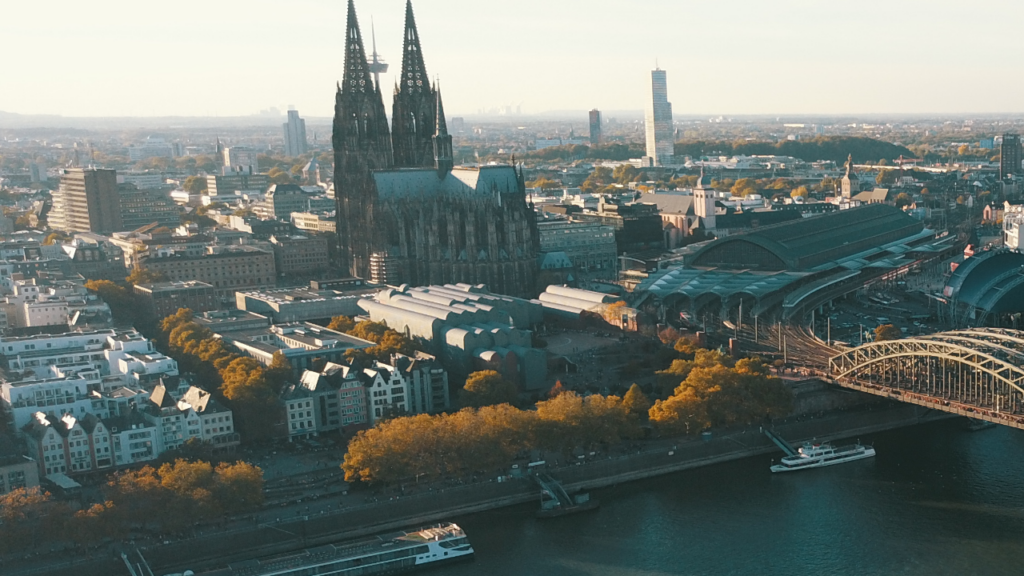
Building a vision for inclusive cultural participation and diversity – Cologne, Germany
The city of Cologne established a dedicated department for cultural participation in 2018 to strengthen its long-term commitment to inter- and transcultural diversity, inclusion, gender equality, LGBTQI+ visibility, and other socially relevant issues.
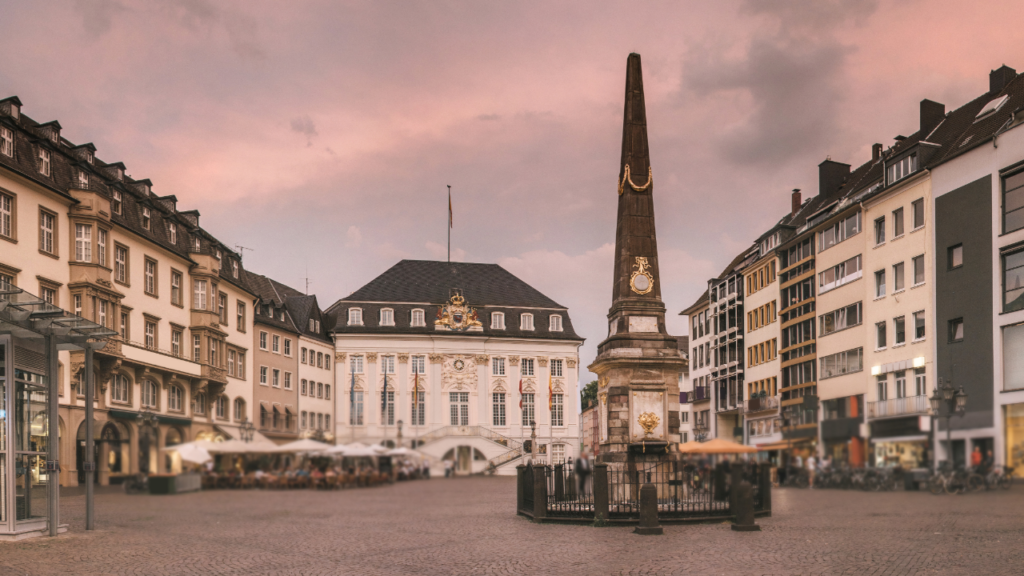
A shared vision for a climate-neutral Bonn – Bonn, Germany
Bonn’s Sustainable Cultural Strategy 2035 recognises culture and sport as tools for climate action and social inclusion, directly supporting the city's goal to become climate-neutral by 2035.
Café Romano project: Making Roma culture visible – Oulu, Finland
As part of the Equal Oulu2026 initiative, and throughout 2024, Café Romano hosted biweekly events at Oulu10, an accessible venue, where Roma women led presentations on topics such as Roma history, clothing, music, and traditions. The aim was to create a welcoming and educational space, to increase visibility, support cultural expression, and involve Roma in planning and implementing cultural activities for Oulu European Capital of Culture 2026.
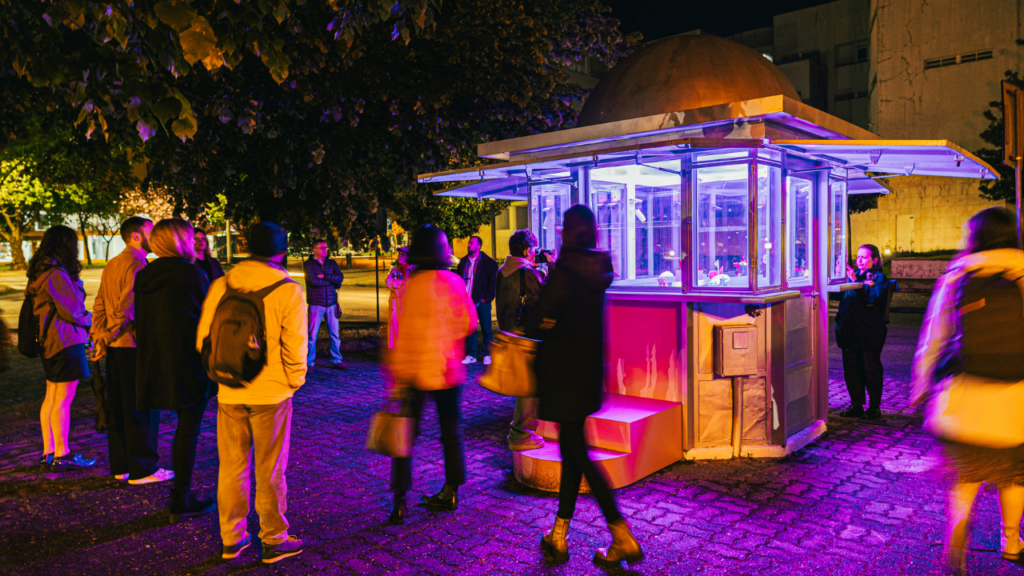
The Contra-Qiosque initiative: Amplifying underrepresented voices in disused public spaces – Braga, Portugal
In Braga, the Portuguese Capital of Culture 2025, five disused kiosks have been transformed into exhibition spaces, amplifying underrepresented voices from across the city.
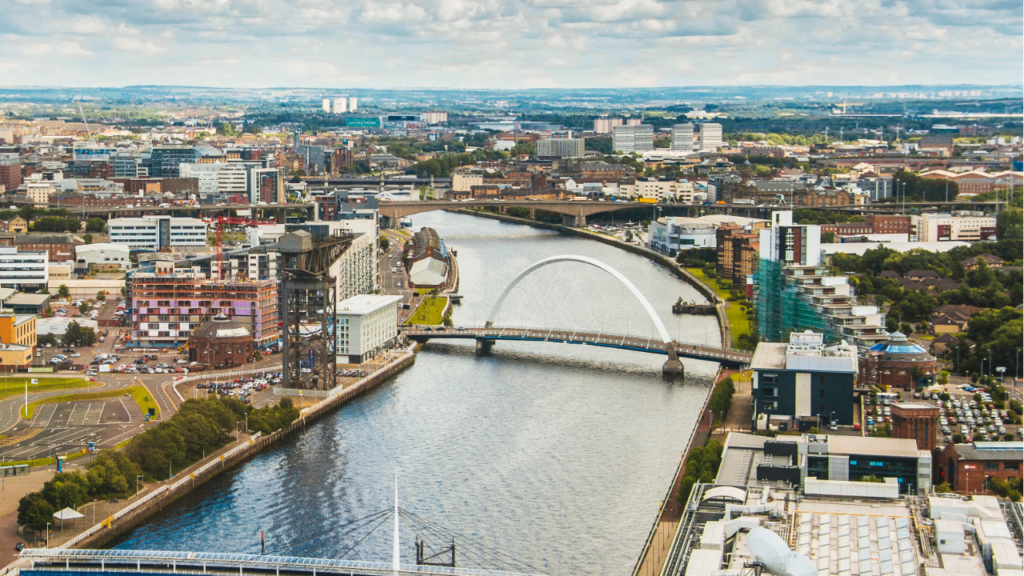
Agent for Change: Maximizing diversity in Glasgow’s cultural scene – Glasgow, United Kingdom
The Agent for Change role raises awareness among policymakers, public officials and private employers on racial equality to create an encouraging and welcoming environment for Black, Indigenous and People of Colour (BIPOC) to participate in different sectors.
Priority 15: Integrating gender issues and ensuring gender parity in local cultural policies
Culture plays an essential role in raising awareness of gender discrimination and in renewing social relations. Cities commit to promoting cultural and artistic actions that reflect the voices of women and gender minorities.
To avoid gender discrimination, cities aim to implement preventative measures and make cultural events accessible and welcoming to all genders. Signatories also commit to achieving parity within their local authorities, including in leadership positions, and to ensuring full equality of access to jobs in the cultural sector.
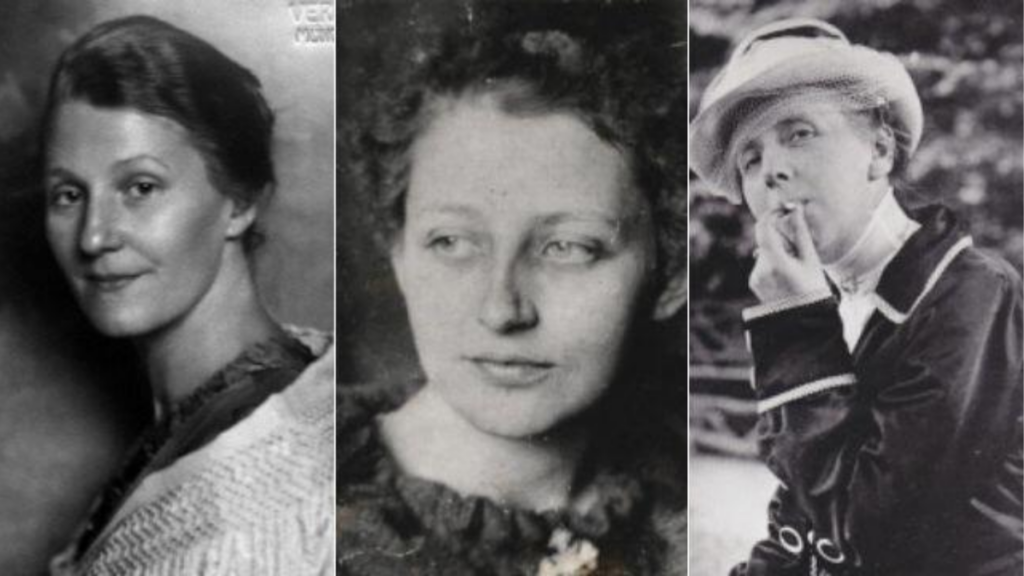
Redefining gender parity in collective memory – Munich, Germany
The City of Munich supports the #femaleheritage initiative to address significant gaps in cultural remembrance, particularly regarding the exclusion of women from collective memory.
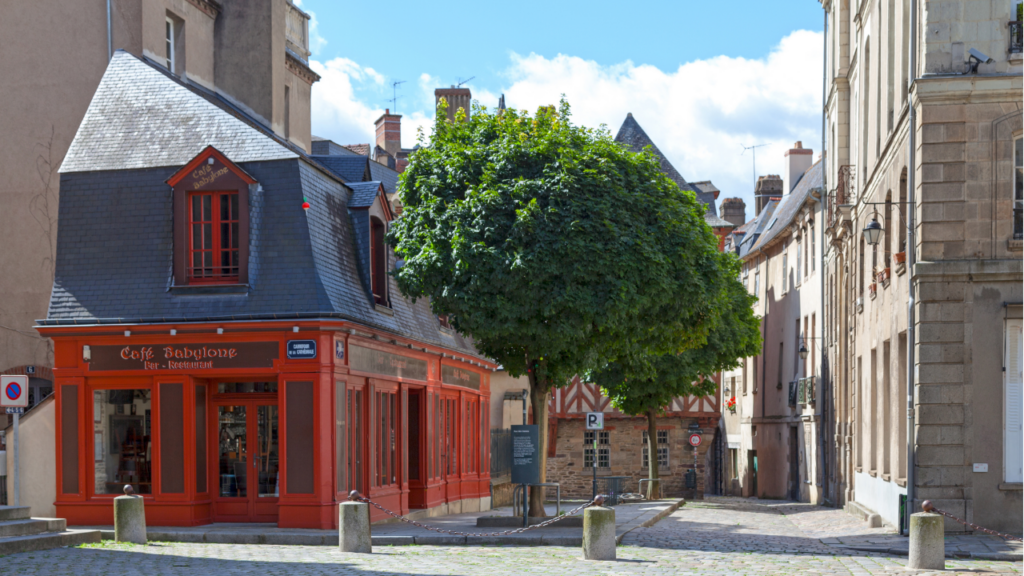
A charter on gender equality in culture and the arts – Rennes, France
In 2022, the city of Rennes and Rennes Metropole signed a charter with the French Ministry of Culture (through the Regional Directorate for the arts and culture DRAC Bretagne) aimed at advancing gender equality in the cultural and artistic fields. This charter is the first of its kind in France.
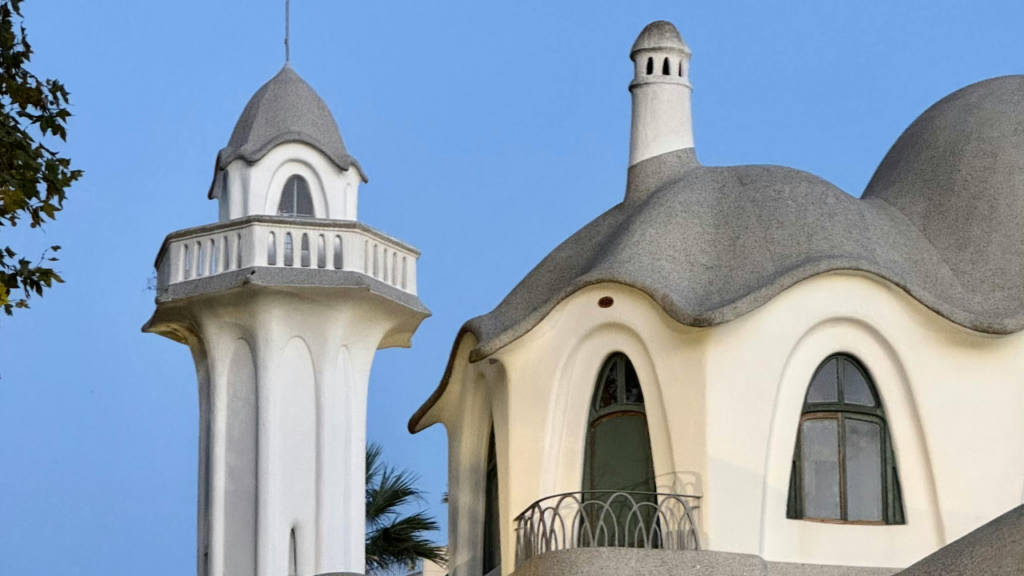
The GAS Seal initiative: Genders, Accessibility and Sustainability – Terrassa, Spain
Launched in 2019 through an initiative of the Department of Cultural Promotion, the GAS seal defines the principles guiding all cultural projects developed or supported in Terrassa. It ensures that these projects are free from gender discrimination and that they promote a non-sexist and non-androcentric vision of the cultural sphere.
Creating safe spaces in cultural venues – Espoo, Finland
How can cities, as service providers, create principles of safe spaces together? The city of Espoo has adopted principles for safer cultural spaces across all of its services, including libraries, cultural centres, the KAMU Espoo City Museum, 17 art schools and theatres, and concerts by the Tapiola Sinfonietta.
Priority 16: Increasing citizens’ participation in developing and implementing cultural policies
Cities recognise that local governance is intimately linked with cultural policies.
Signatories commit to developing dialogue and creative means of deliberative democracy on cultural activities, whether through the participation of residents, civil society, educational institutions, and other groups or networks.
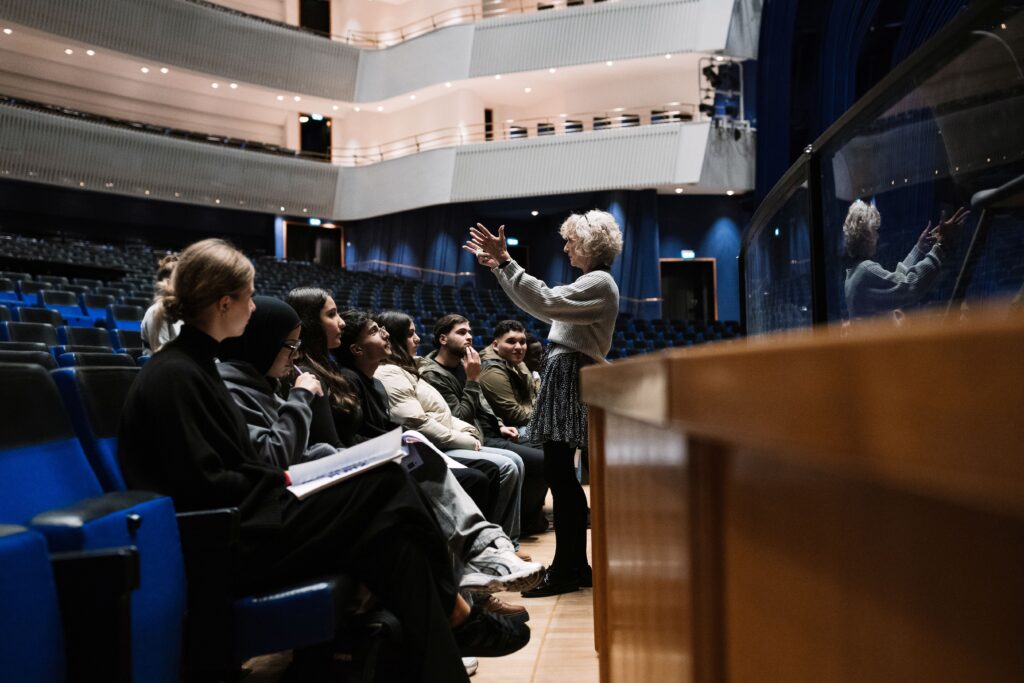
[#realitycheckkultur] – Young perspectives shaping the future of culture in Essen – Essen, Germany
#realitycheckkultur® places young people at the centre of decision-making processes in the city's cultural sector by creating an advisory team of nine to twelve young people who form the "Experts of the Future".

From neighbourhood breakfasts to cultural participation – Osmangazi, Türkiye
Following a proposal by residents, the municipality worked with civil society partners, cultural actors and volunteer communities to create a project that enables citizens to attend selected concerts and cultural events by donating books instead of purchasing tickets.
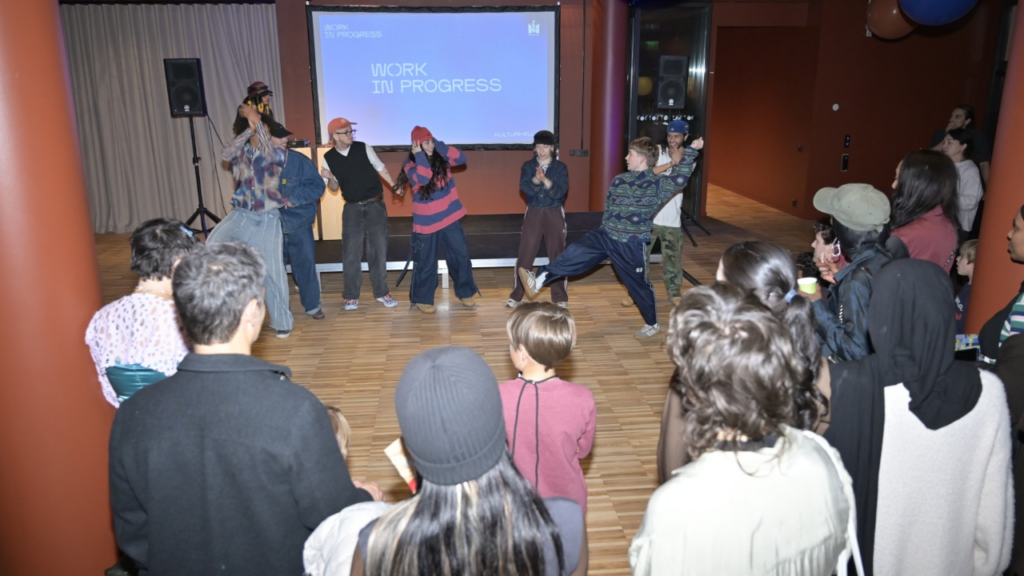
Work in Progress (WiP): A civic and cultural centre designed by the public – Malmo, Sweden
Work in Progress (WiP) is a meeting place for young people aged 16 - 25 who need support in taking the step from being ‘hobby creatives’ to becoming professional cultural practitioners.
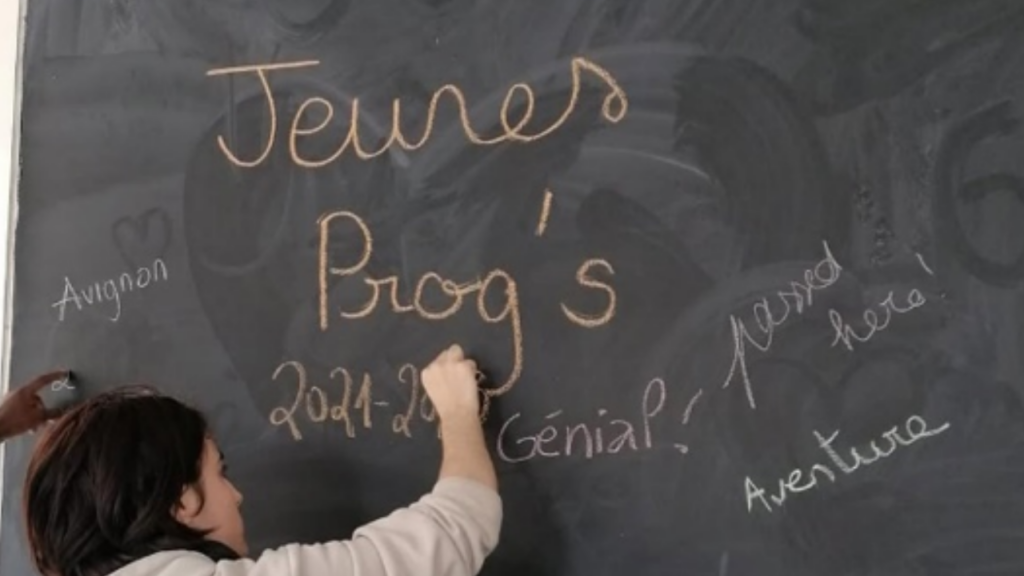
Participatory budgeting to increase young people’s engagement – Lyon, France
In 2023 the Lyon Metropole conducted a study to better understand the links between culture and youth, and identified a strong desire among young people to engage in cultural actions and access cultural spaces.
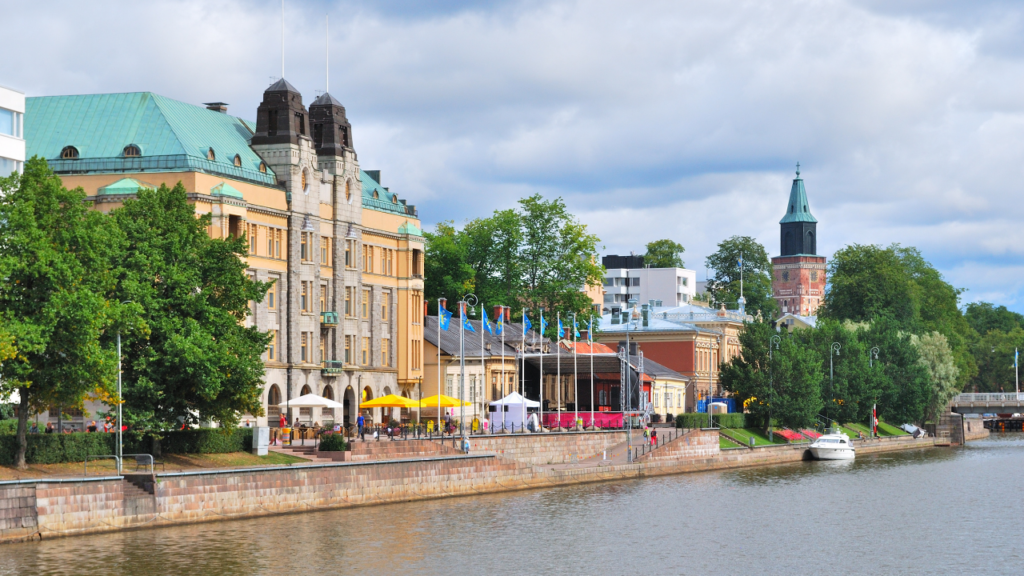
Participatory budgeting to increase citizens’ engagement – Turku, Finland
Turku aims to increase citizens’ participation, so the city has been implementing participatory budgeting since 2020.