The Contra-Qiosque initiative: Amplifying underrepresented voices in disused public spaces
Braga – Portugal
Pillar 2:
Ecological transition in the field of culture
Priority 14:
Strengthening cultural and artistic diversity
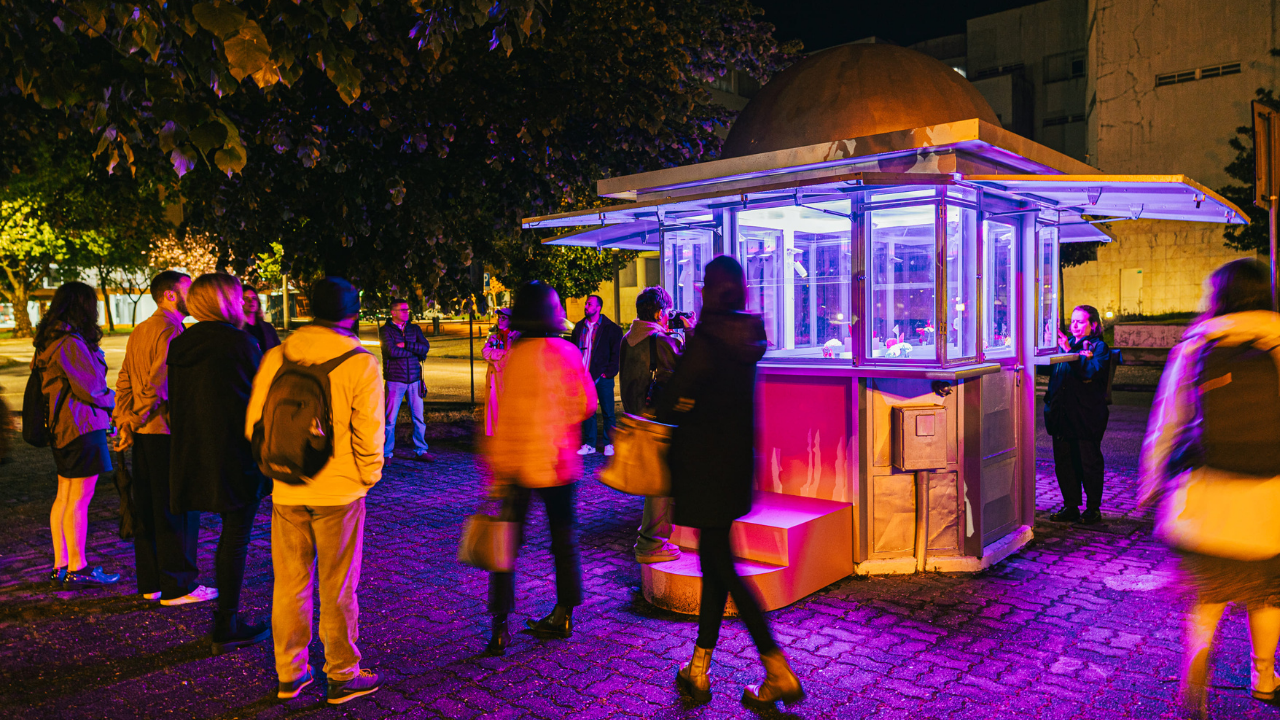
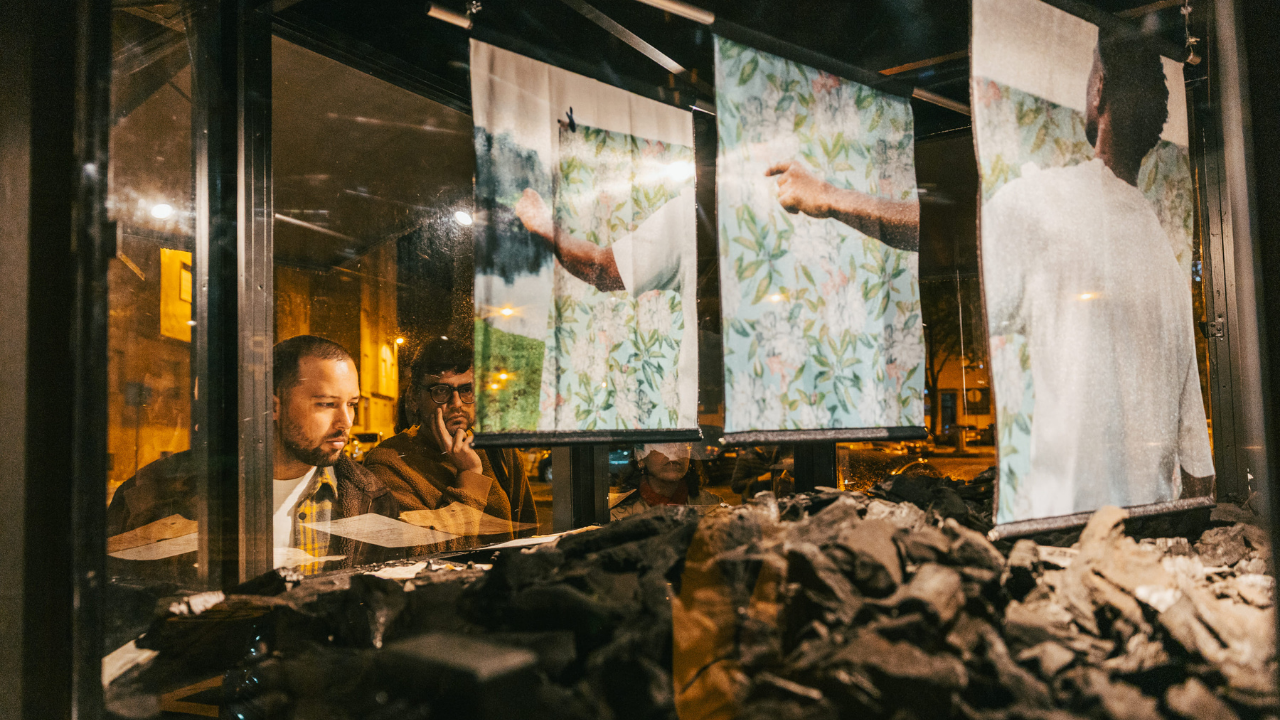
In Braga, the Portuguese Capital of Culture 2025, five disused kiosks have been transformed into exhibition spaces, amplifying underrepresented voices from across the city. The site-specific installations are the culmination of five artist residencies by Emília Rigová, Hilda de Paulo, Maria Trabulo, Marta Machado, and Miguel Teodoro. Each artist conducted research from personal and institutional archives on diverse themes including migration, LGBTQIA+ and multicultural experiences, ecology and human-nonhuman relationships. Opened simultaneously, the kiosks form an artistic route through Braga and in 2025, they will function as a polycentric ‘museum’ holding an ongoing shared programme of exhibitions and events. The municipality is now exploring their permanent reuse for small businesses, a direct outcome of the project’s success.
The project is curated by Space Transcribers, a critical interdisciplinary network of architects, urbanists and artists focused on representation and visibility in the built environment. Contra-Qiosque therefore reactivates disused public space through site-specific art. It also provides a platform for cultural narratives typically excluded from mainstream discourse to shape a more inclusive urban identity.
The project’s co-creation model and flexible curatorial approach highlight alternative uses of public archives and inclusive cultural programming. Cities can replicate this model of cultural governance by identifying unused urban infrastructure and working with artists engaged in community-based research.
Funded by the Municipality of Braga through FAZ CULTURA – the Municipal Company for Culture, with support from European Regional Development Funds and Turismo de Portugal, Contra-Qiosque shows how inclusive and innovative cultural initiatives can catalyse both urban justice and the renewal of disused public spaces.