Artistic diversity in Maia: the Contemporary Art Biennial – Maia, Portugal
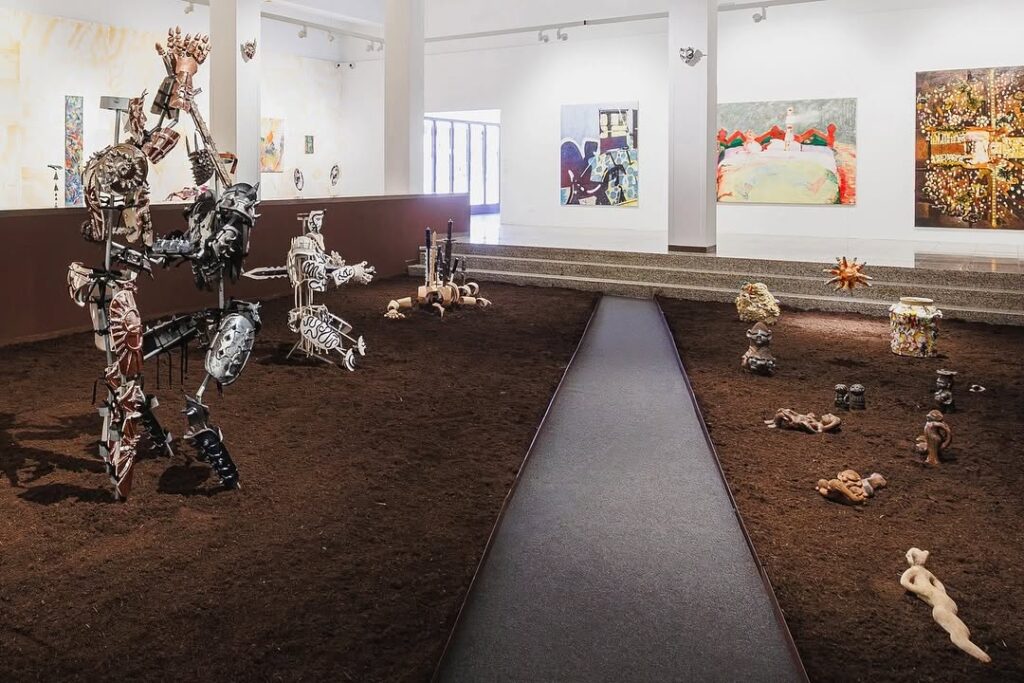
Artistic diversity in Maia: the Contemporary Art Biennial Maia - Portugal Pillar 2:Inclusion in culture and through culture Priority 14:Developing...
Artistic diversity in Maia: the Contemporary Art Biennial Maia - Portugal Pillar 2:Inclusion in culture and through culture Priority 14:Developing...
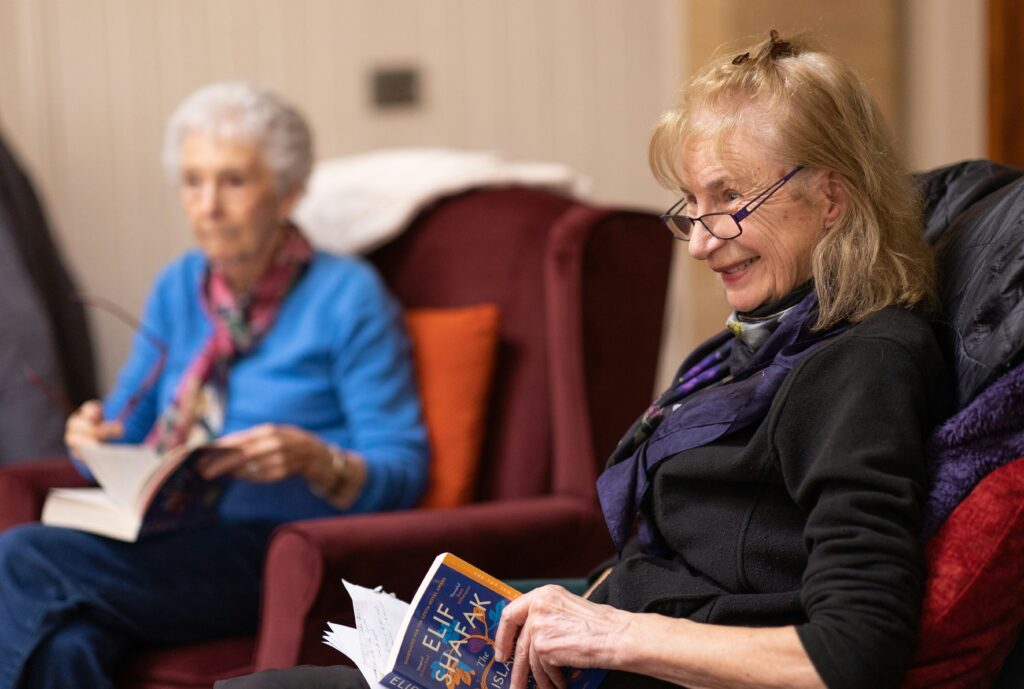
Culture in Your Neighbourhood: accessible culture for senior citizens Turku - Finland Pillar 2:Inclusion in culture and through culture Priority...

Widening access to culture through cultural partnership grants Manchester - United Kingdom Pillar 2:Inclusion in culture and through culture Priority...

Seasons of Culture: culture, climate and inclusion Leeds - United Kingdom Pillar 2:Inclusion in culture and through culture Priority 12:Developing...
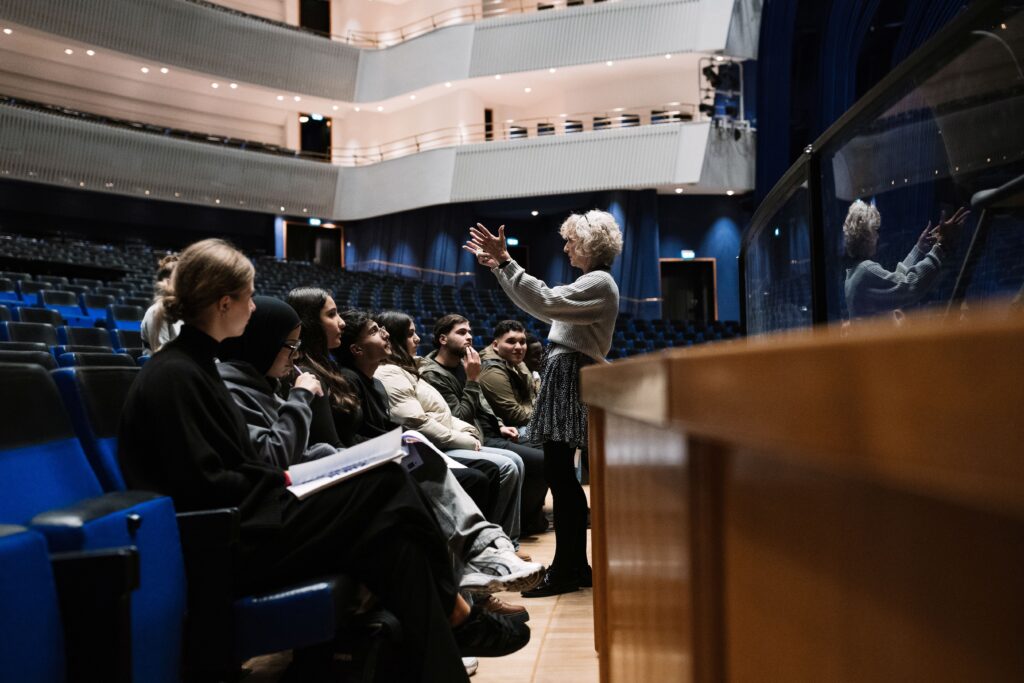
#realitycheckkultur® places young people at the centre of decision-making processes in the city's cultural sector by creating an advisory team of nine to twelve young people who form the "Experts of the Future".

Following a proposal by residents, the municipality worked with civil society partners, cultural actors and volunteer communities to create a project that enables citizens to attend selected concerts and cultural events by donating books instead of purchasing tickets.

Free Spaces, a project designed exclusively for DJs which offers them potential venues and unbureaucratic conditions to legally organise events.

Victor Hugo and Les Carmes are two covered markets with rooftop car parks located in the historic heart of Toulouse. With surface areas of 3,000 m² and 2,000 m² respectively, their rooftops act as significant points of heat capture within the urban heat island of the city centre.
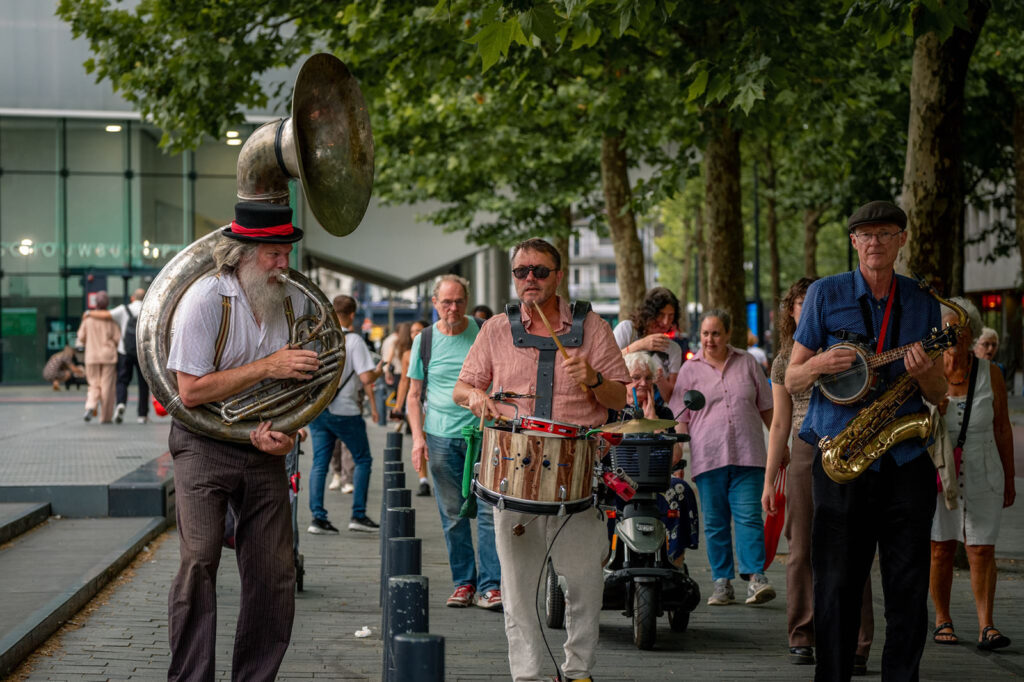
The city launched Heilige Huisjes – Holy Houses, a festival focused on the modern role that places of worship play for culture, spirituality, and social gathering. The festival is jointly organised by the city of Rotterdam and De Kerkvernieuwers, and brings together cultural organisations, local authorities, residents, artists, and heritage managers.
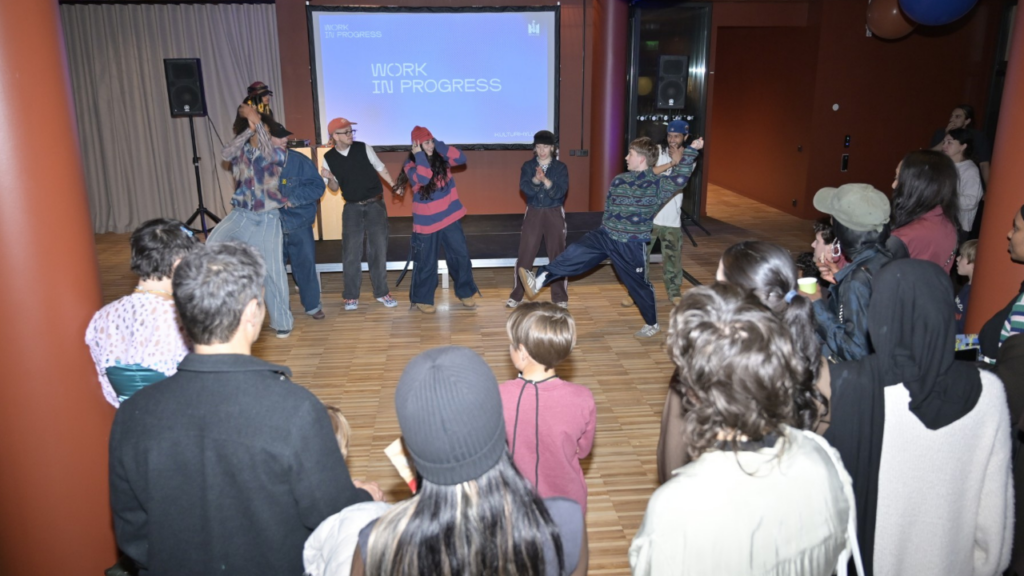
Work in Progress (WiP) is a meeting place for young people aged 16 - 25 who need support in taking the step from being ‘hobby creatives’ to becoming professional cultural practitioners.
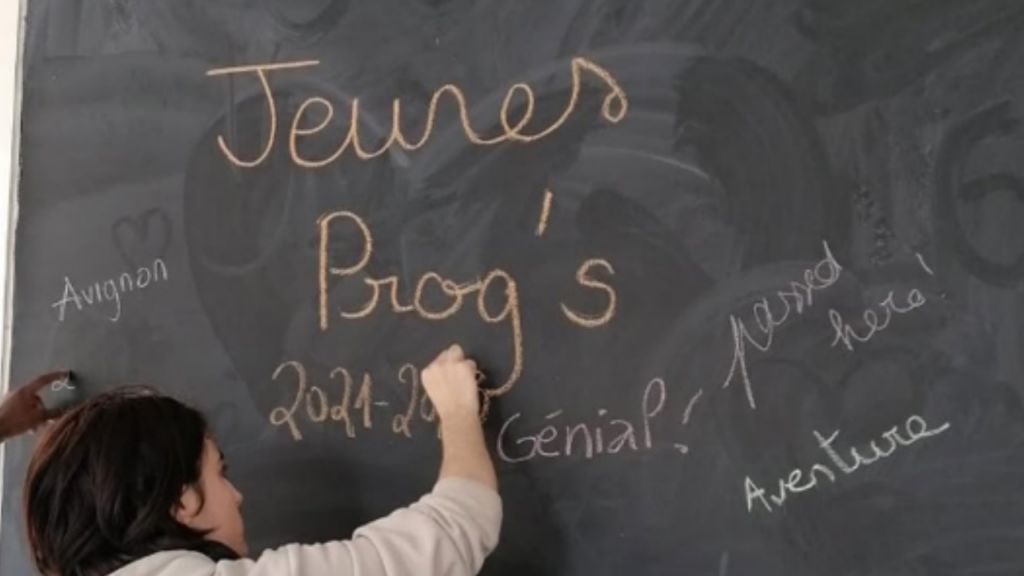
In 2023 the Lyon Metropole conducted a study to better understand the links between culture and youth, and identified a strong desire among young people to engage in cultural actions and access cultural spaces.
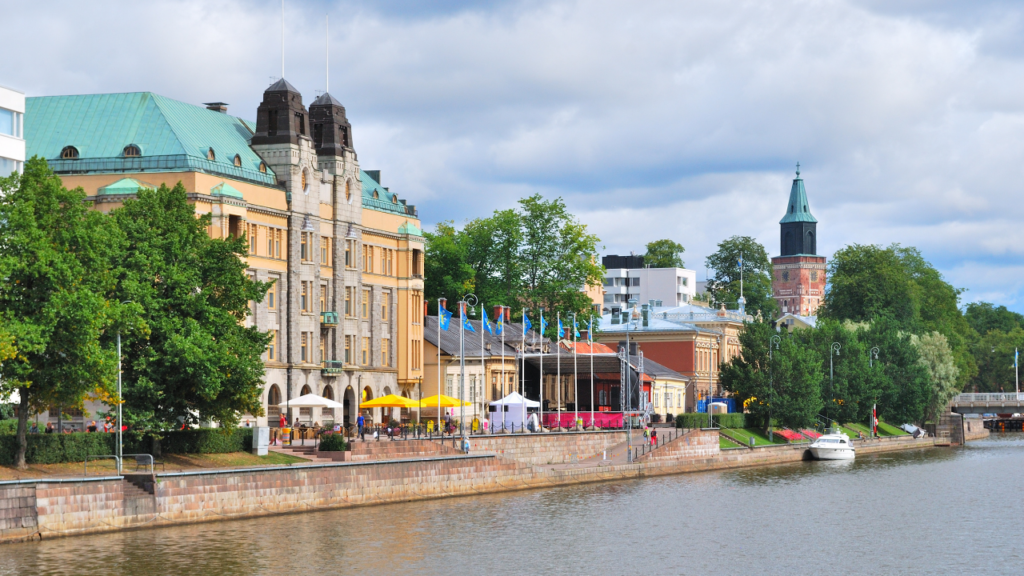
Turku aims to increase citizens’ participation, so the city has been implementing participatory budgeting since 2020.
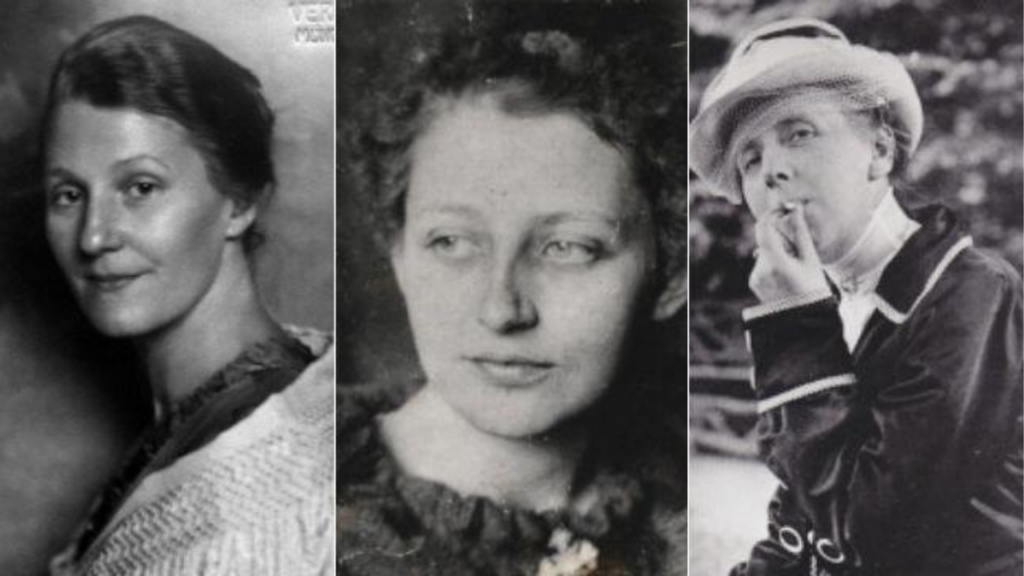
The City of Munich supports the #femaleheritage initiative to address significant gaps in cultural remembrance, particularly regarding the exclusion of women from collective memory.
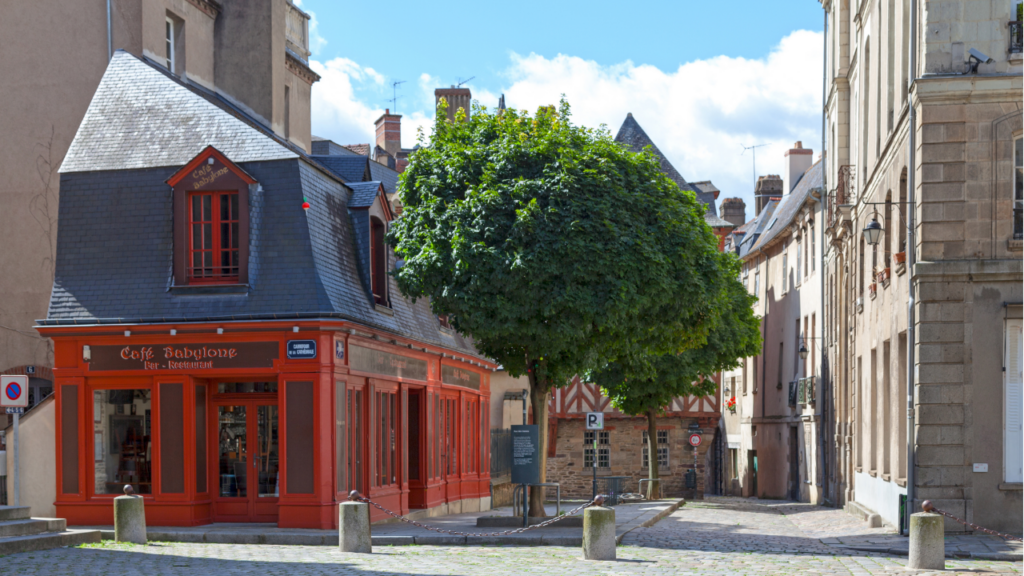
In 2022, the city of Rennes and Rennes Metropole signed a charter with the French Ministry of Culture (through the Regional Directorate for the arts and culture DRAC Bretagne) aimed at advancing gender equality in the cultural and artistic fields. This charter is the first of its kind in France.
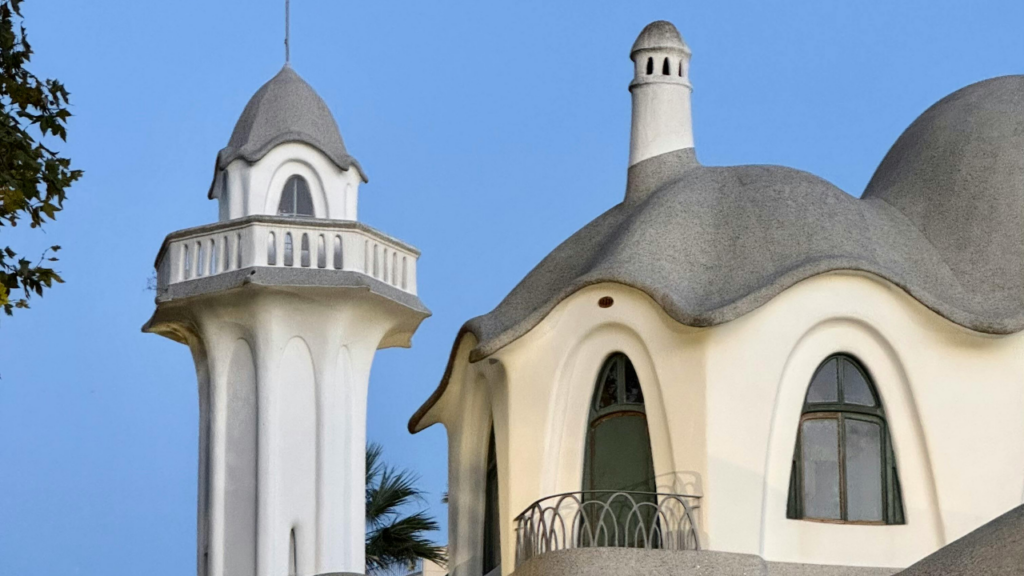
Launched in 2019 through an initiative of the Department of Cultural Promotion, the GAS seal defines the principles guiding all cultural projects developed or supported in Terrassa. It ensures that these projects are free from gender discrimination and that they promote a non-sexist and non-androcentric vision of the cultural sphere.
How can cities, as service providers, create principles of safe spaces together? The city of Espoo has adopted principles for safer cultural spaces across all of its services, including libraries, cultural centres, the KAMU Espoo City Museum, 17 art schools and theatres, and concerts by the Tapiola Sinfonietta.
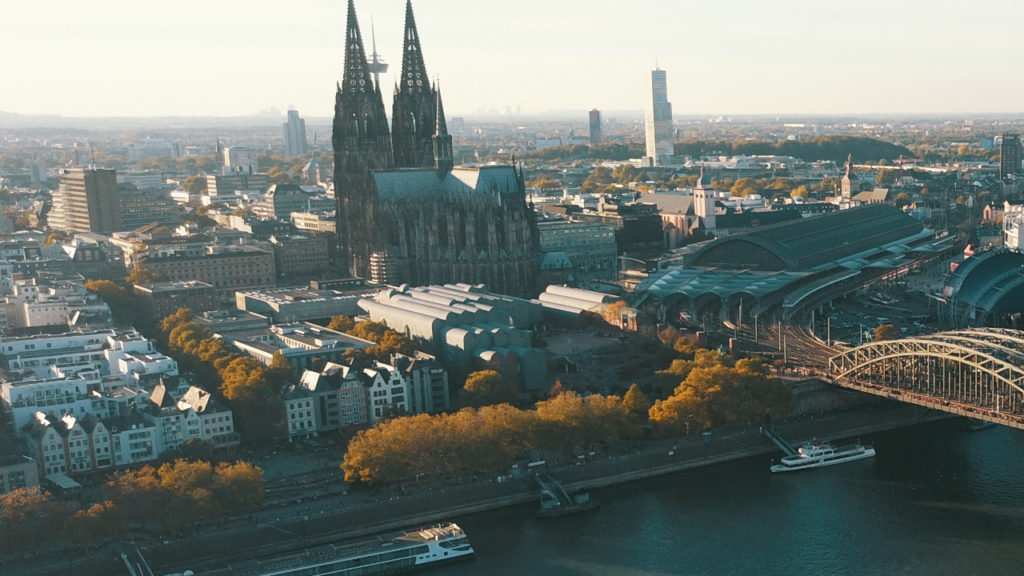
The city of Cologne established a dedicated department for cultural participation in 2018 to strengthen its long-term commitment to inter- and transcultural diversity, inclusion, gender equality, LGBTQI+ visibility, and other socially relevant issues.
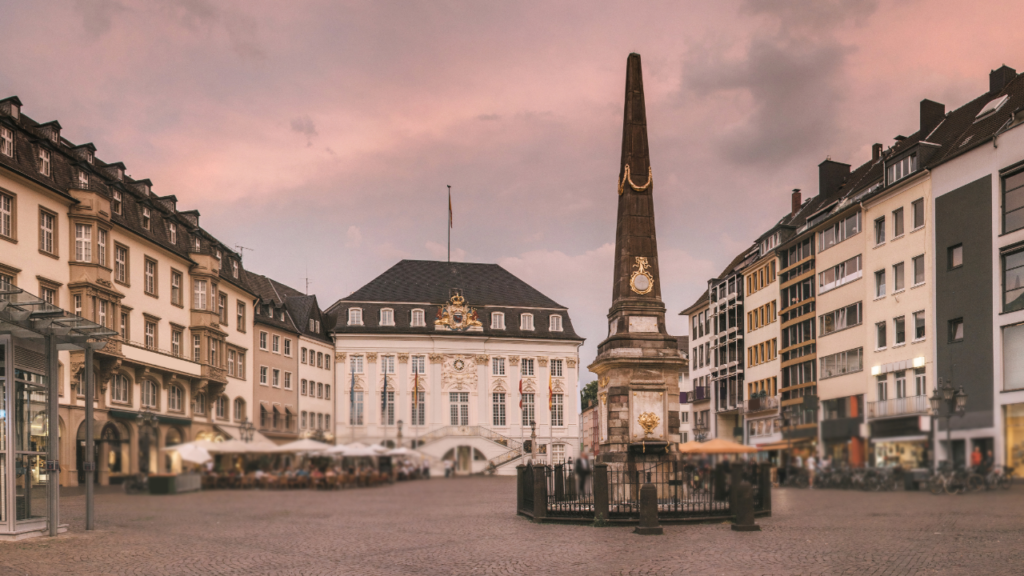
Bonn’s Sustainable Cultural Strategy 2035 recognises culture and sport as tools for climate action and social inclusion, directly supporting the city's goal to become climate-neutral by 2035.
As part of the Equal Oulu2026 initiative, and throughout 2024, Café Romano hosted biweekly events at Oulu10, an accessible venue, where Roma women led presentations on topics such as Roma history, clothing, music, and traditions. The aim was to create a welcoming and educational space, to increase visibility, support cultural expression, and involve Roma in planning and implementing cultural activities for Oulu European Capital of Culture 2026.
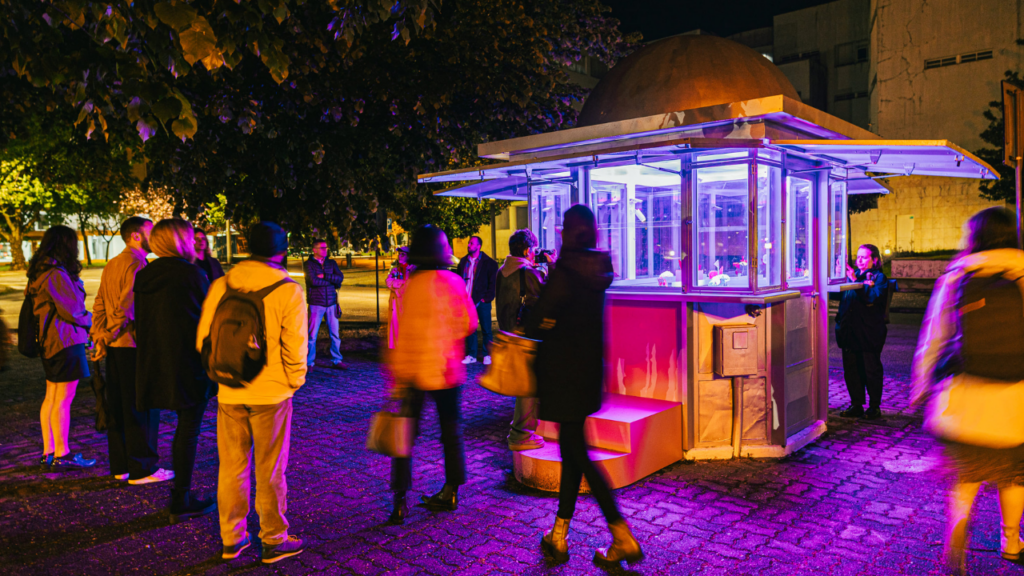
In Braga, the Portuguese Capital of Culture 2025, five disused kiosks have been transformed into exhibition spaces, amplifying underrepresented voices from across the city.
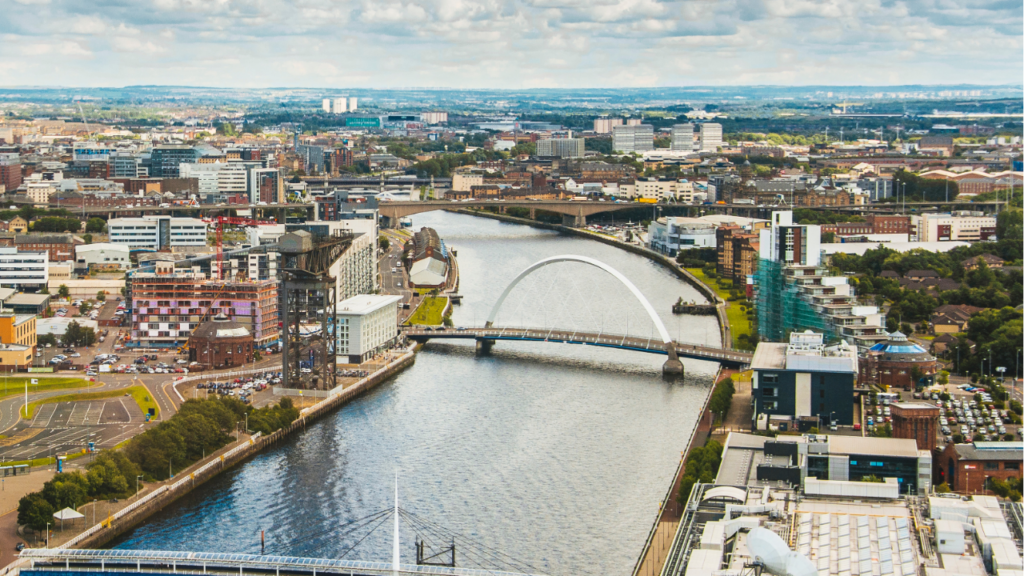
The Agent for Change role raises awareness among policymakers, public officials and private employers on racial equality to create an encouraging and welcoming environment for Black, Indigenous and People of Colour (BIPOC) to participate in different sectors.
Bologna, a city renowned for its rich cultural heritage, has developed an integrated strategic plan for its civic museums (2025–2029) to respond to emerging challenges in cultural tourism, public health, sustainable finance, and civic engagement.
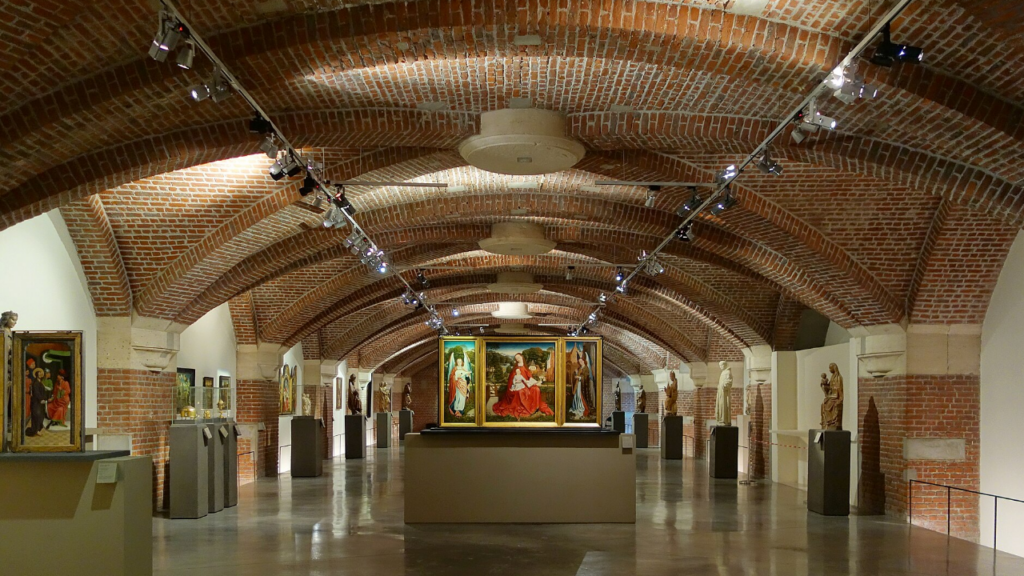
The city of Lille recognises the important role of culture in supporting well-being, health, and social inclusion. In response, it is developing a targeted cultural offer that connects cultural, health, and social policies across municipal services and local organisations.
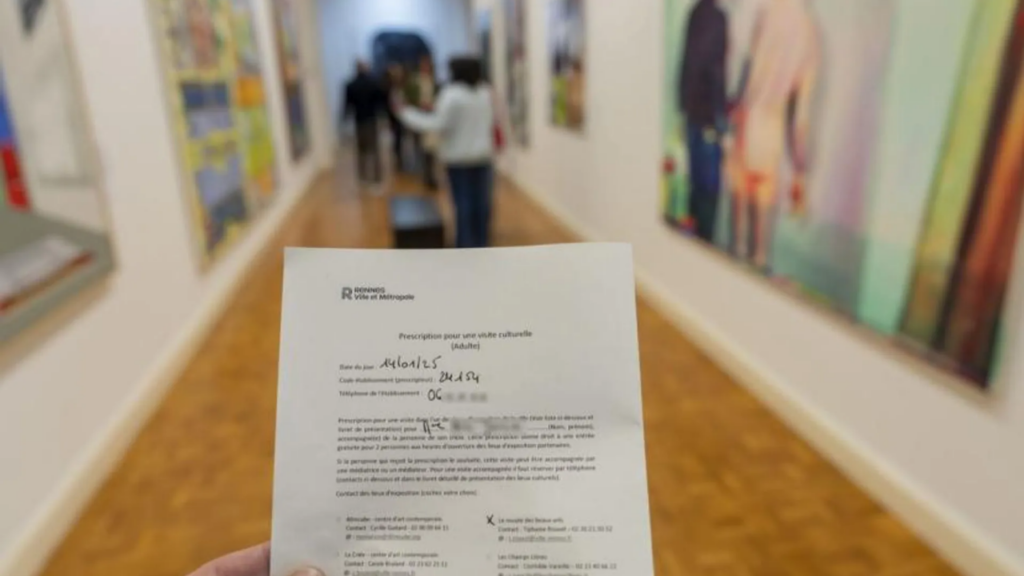
Since 2022, Rennes and Rennes Metropole have tested museum prescriptions allowing patients, upon recommendations by health professionals’ recommendation, to access free cultural activities at partner museums and art centres.
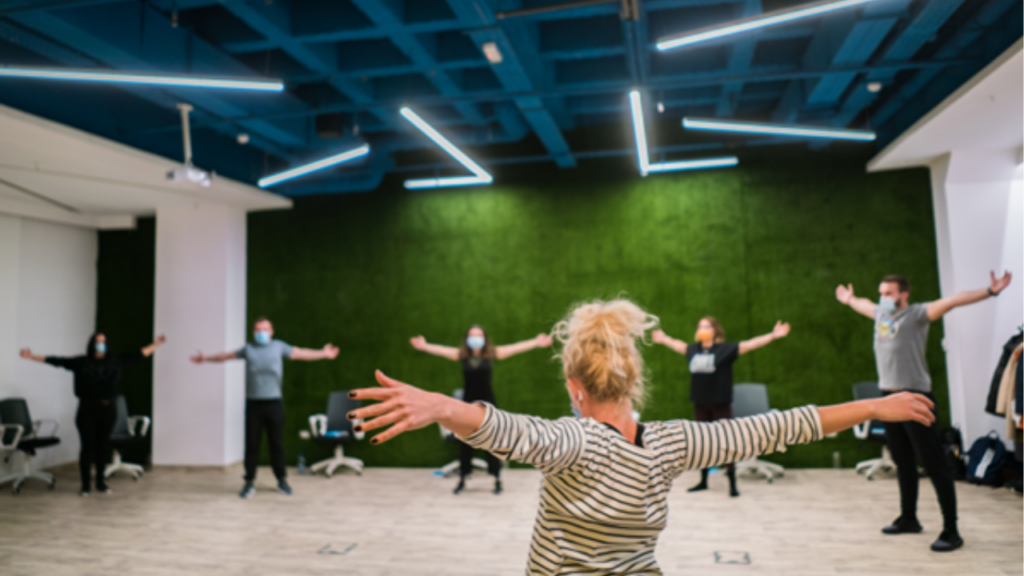
In 2020, the city of Cluj-Napoca identified an increasing need to address mental health challenges and burnout, issues that had been present before but were significantly intensified by the COVID-19 pandemic.
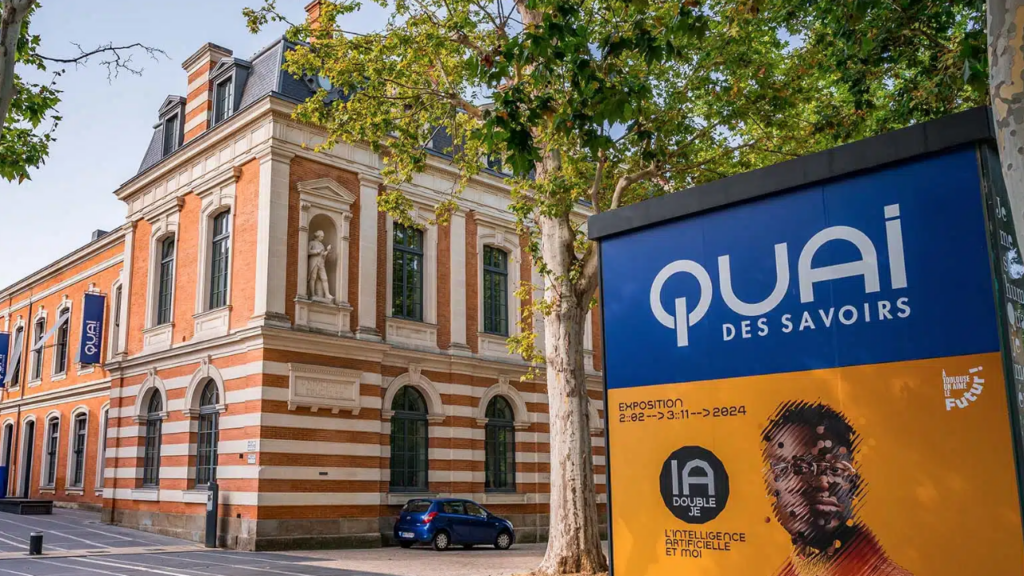
n Toulouse Metropole, two municipal cultural centres are particularly engaged in taking creative climate action: the Quai des Savoirs (Platform of Knowledge) and the Museum of National History. Both are part of the department of scientific, technical and industrial culture of the Metropolis.
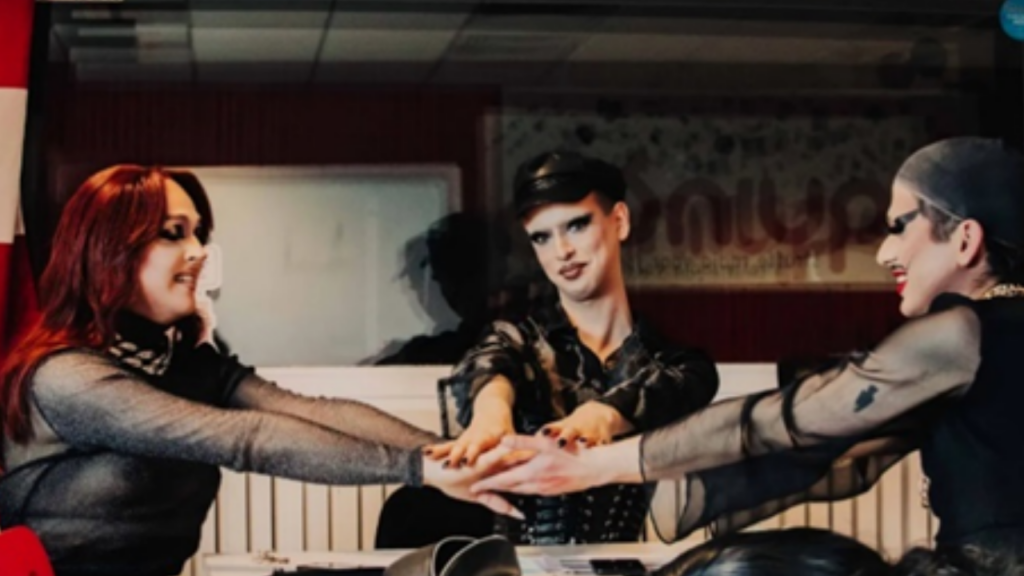
he city of Kortrijk has made significant strides in fostering a more inclusive and diverse cultural scene, with supporting initiatives like Qace [kweis, queer space] which began as a group of young people looking for a safe(r) queer space in the cultural sector.
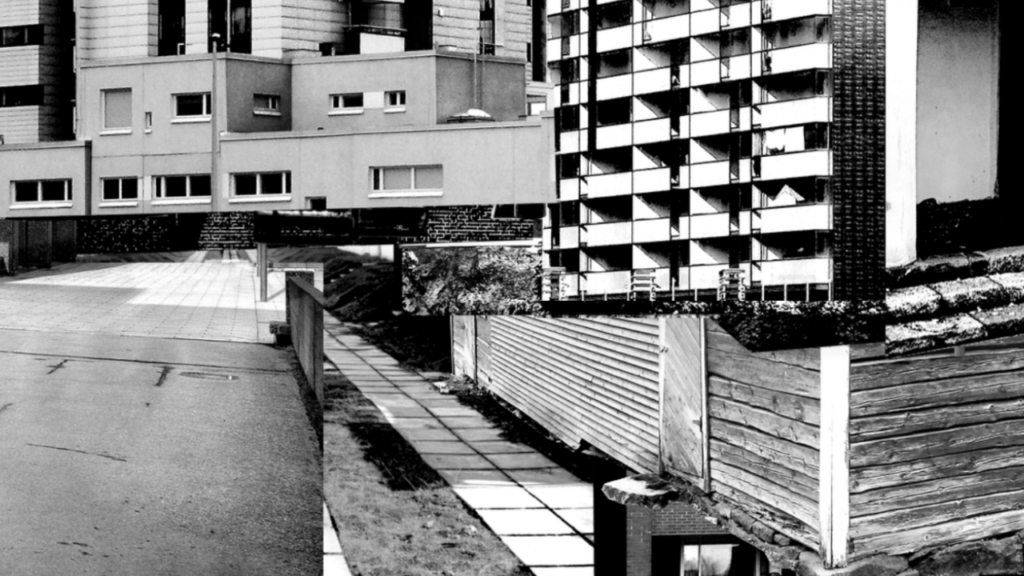
n 2024, the city of Espoo launched a series of workshops where elderly residents in sheltered housing units shared their memories of the city. This initiative aimed to preserve Espoo’s history while celebrating the contributions of its senior population.
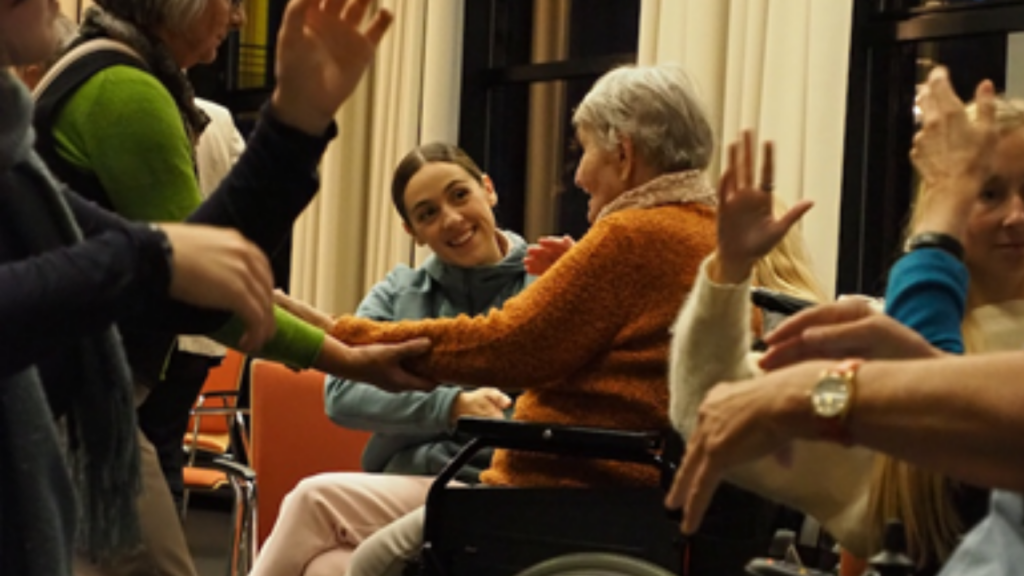
Inspired by EU-funded exchanges on creative ageing, the City of Munich launched a pilot project in 2024 aimed at improving the health and well-being of people in care facilities.
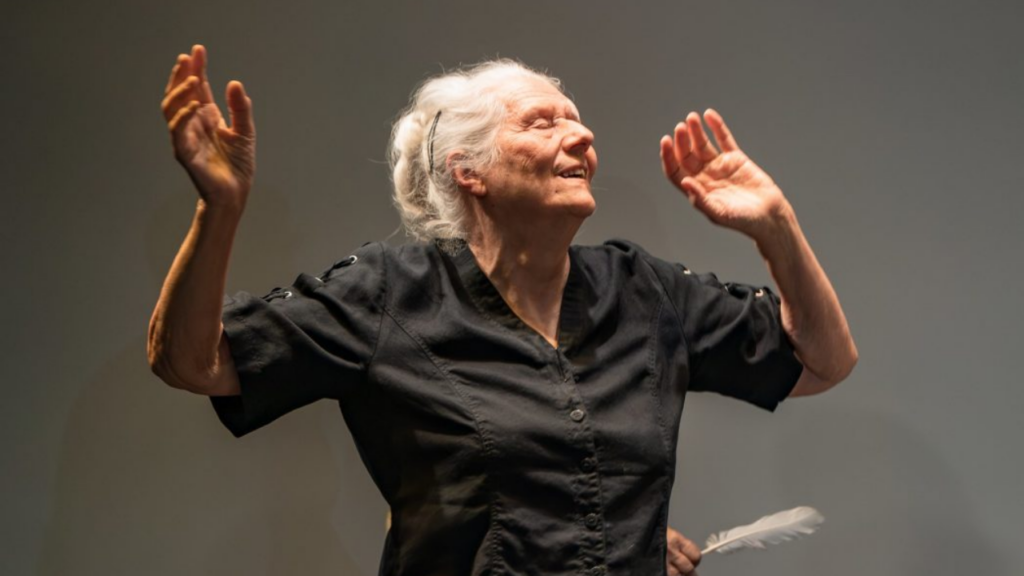
Helsinki is actively promoting creative ageing and taking comprehensive measures to ensure that cultural rights are upheld for people of all ages and in all life situations.
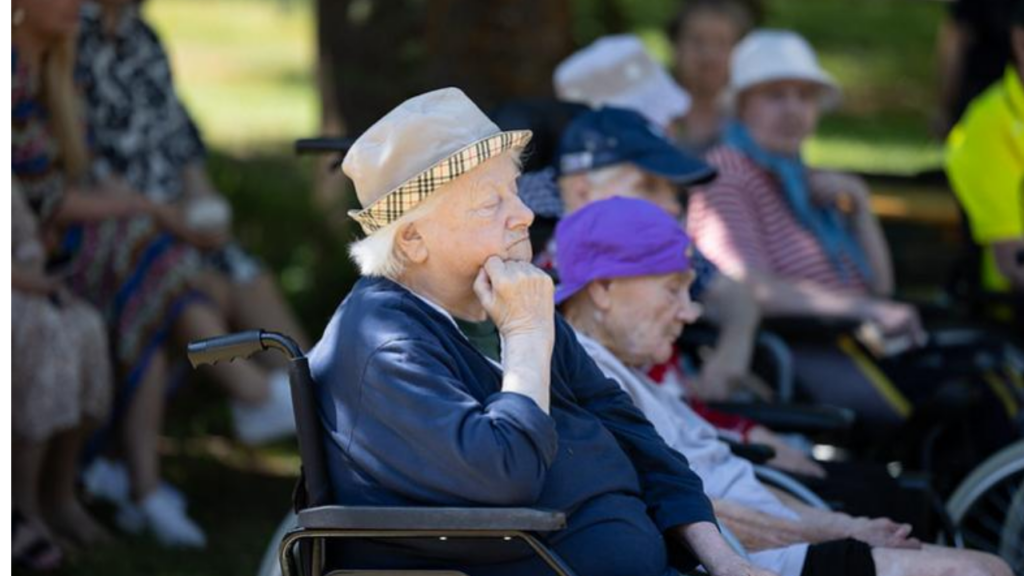
Tallinn supports professional cultural projects that are developed with a specific target group in mind and in consultation with representatives of the target group or relevant experts to improve accessibility.
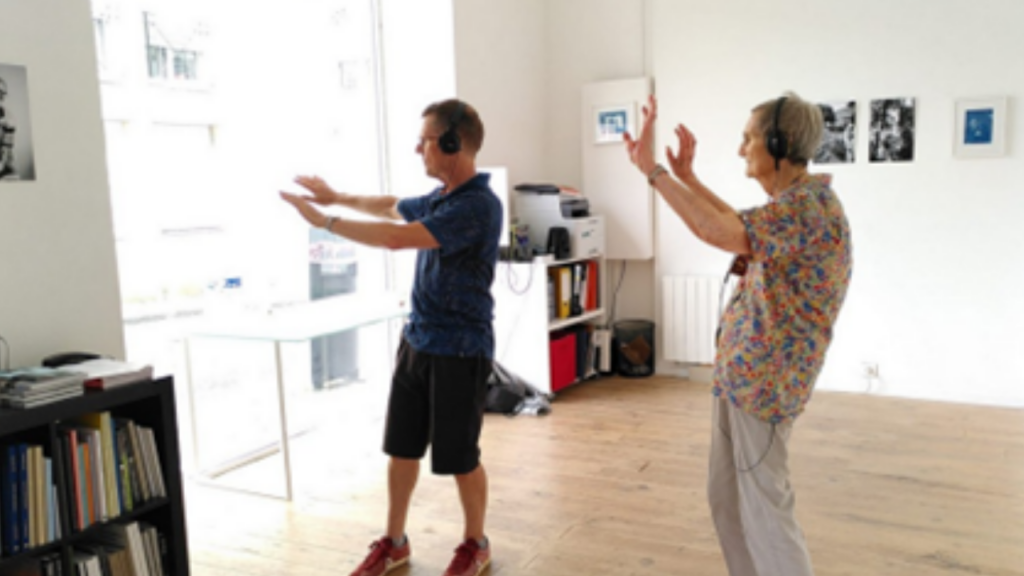
The City of Nantes is implementing a cultural policy strategy where residents are key players and contributors. Creating accessible opportunities for meaningful experiences, combatting isolation and enhancing the quality of life for the most vulnerable are part of the local political priorities, based on the principles of social justice.
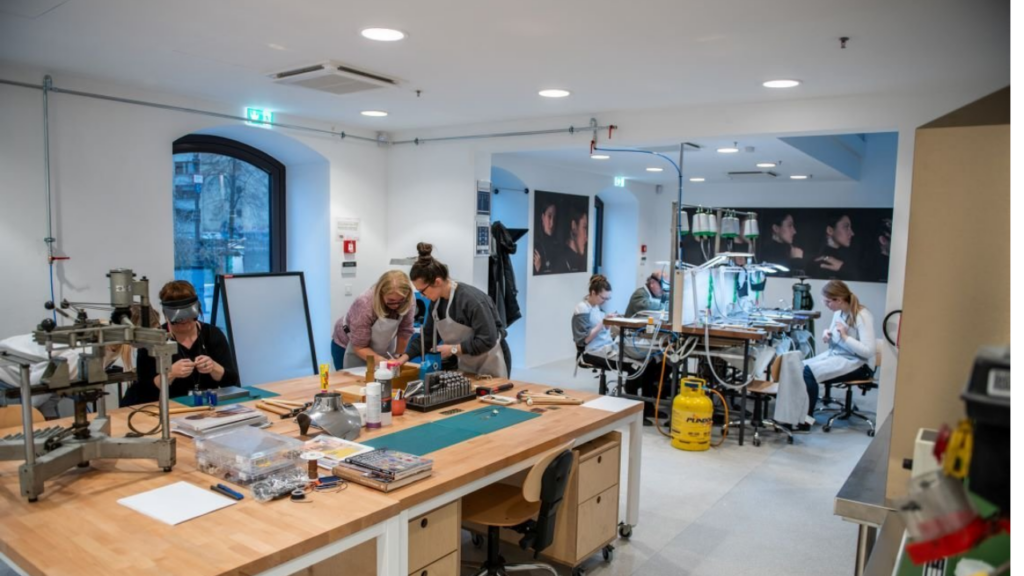
The Center Rog Creative Hub, funded by the City of Ljubljana, is a dedicated space covering 8,500 m2, supporting entrepreneurs in applied arts, crafts, design and architecture, with a strong focus on sustainable development.
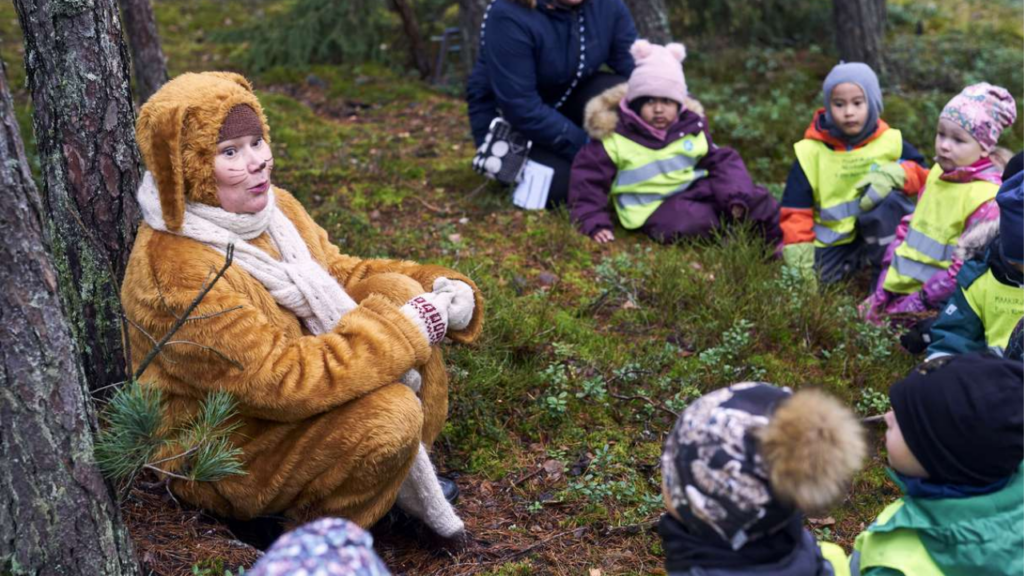
In Espoo, cultural services are a key part of the city’s strategy for sustainable and inclusive development, guided by the city as a service approach and as part of the CultureEspoo2030 programme. This long-term vision sees culture and art as essential to promoting equality, wellbeing, and a sense of community.
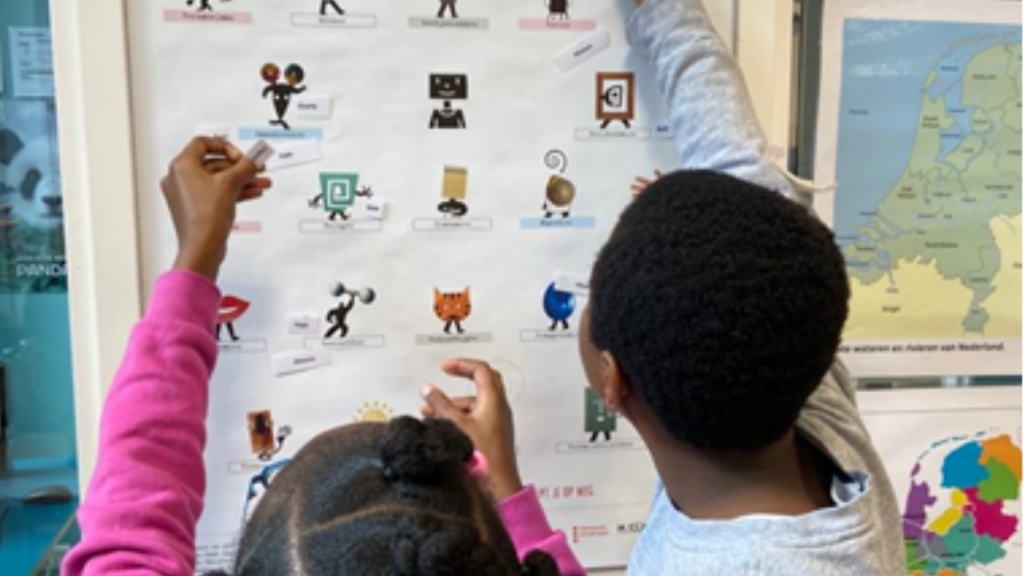
Amsterdam places inclusion at the heart of its cultural policies, aiming to broaden and diversify arts and culture across the city. Between 2021 and 2024, all municipally funded cultural institutions developed inclusion action plans covering personnel, programming, partnerships and audiences.
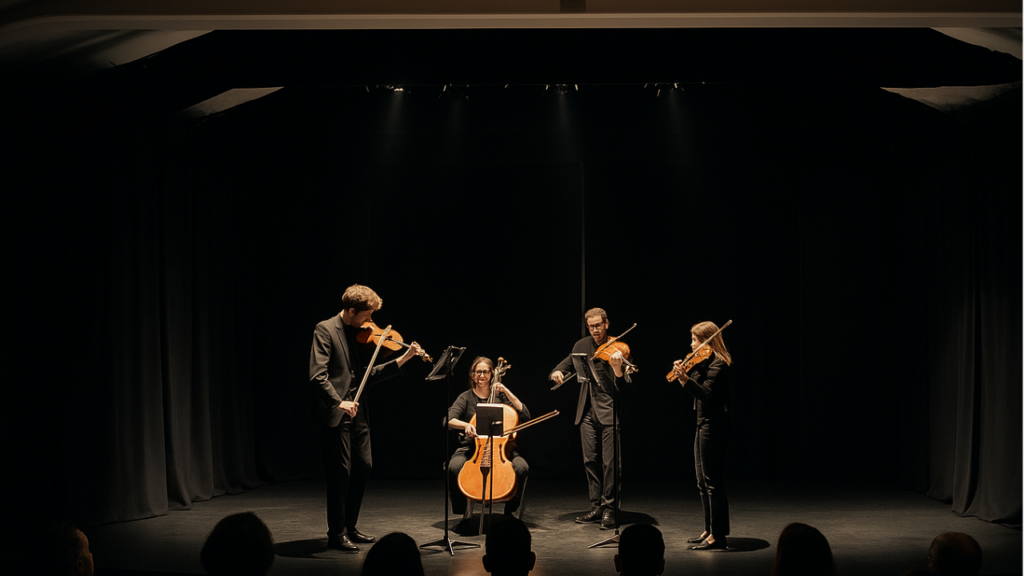
The city of Gijon launched the Música Guiada (Guided Music) initiative to make classical music accessible to new audiences, particularly those who do not usually engage with this type of cultural activity.
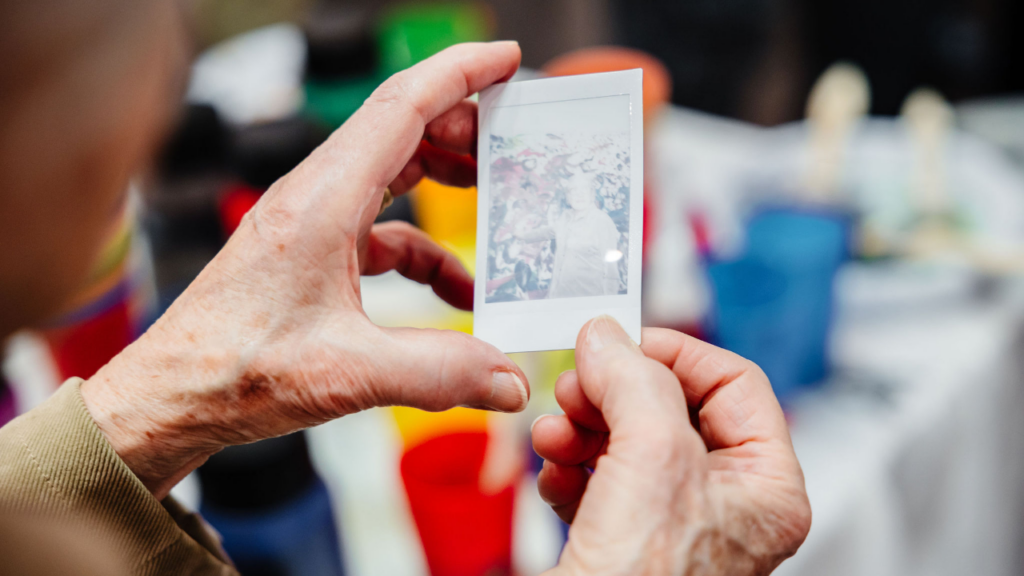
To address cultural access gaps in suburban areas and engage diverse audiences, the city of Turin and Fondazione Compagnia di San Paolo developed the Cultura dietro l’Angolo (Culture around the Corner) initiative.
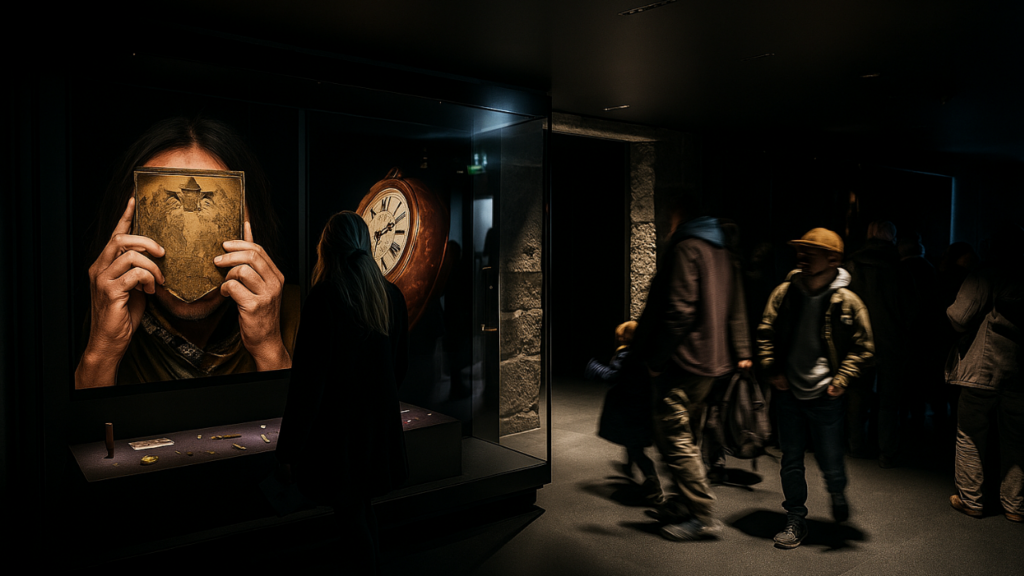
In February 2025, for the first time in France, a fine arts museum opened in the heart of a deprived neighbourhood in Rennes, reflecting the city’s desire to rethink urban spaces and foster inclusivity.
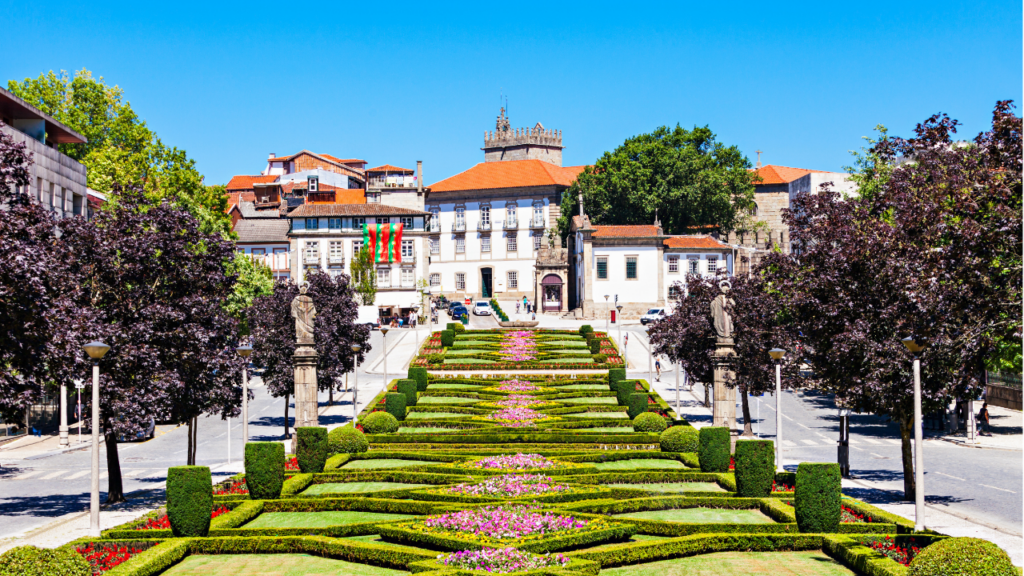
The municipality of Guimarães, the 2026 European Green Capital, believes in the fundamental role culture plays in the dynamics of urban regeneration.
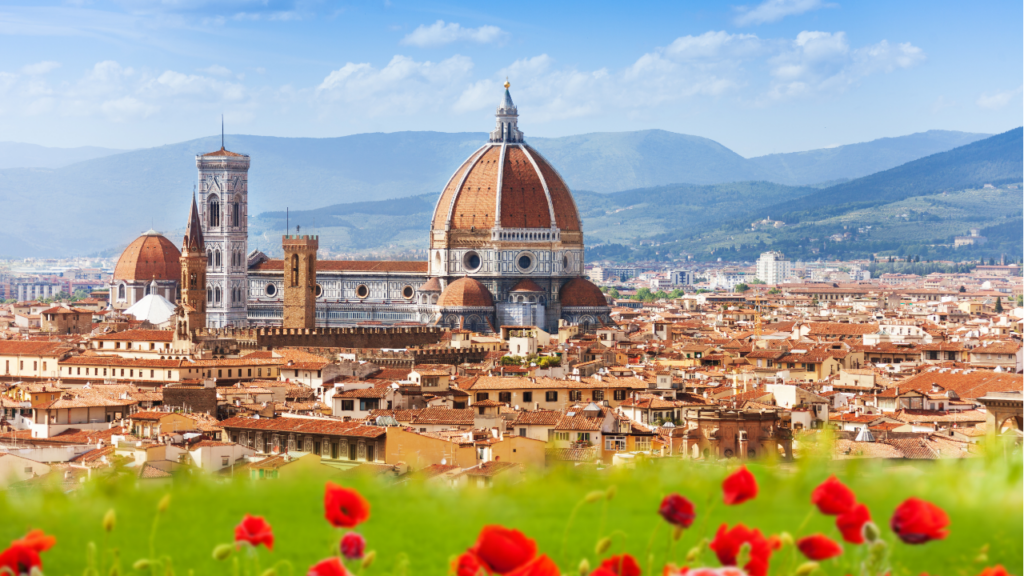
Since 2012, Florence has developed Estate Fiorentina (the Florentine Summer) into a six-month, city-wide cultural festival that promotes inclusion, accessibility, and social cohesion.
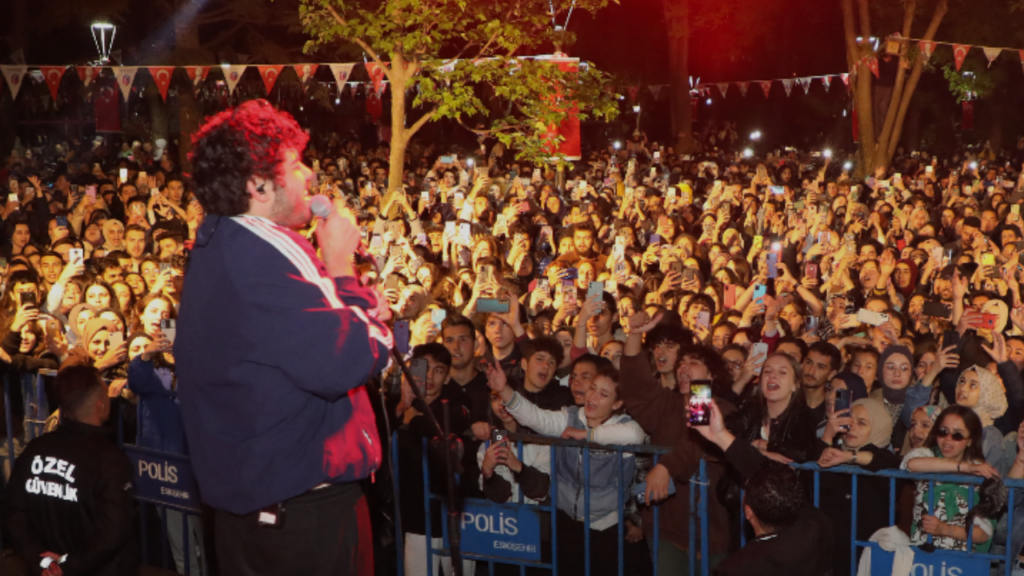
The Municipality of Odunpazari has undertaken many steps to make culture more accessible in the city. Firstly, all events organised by the municipality are open to the public and free of charge.
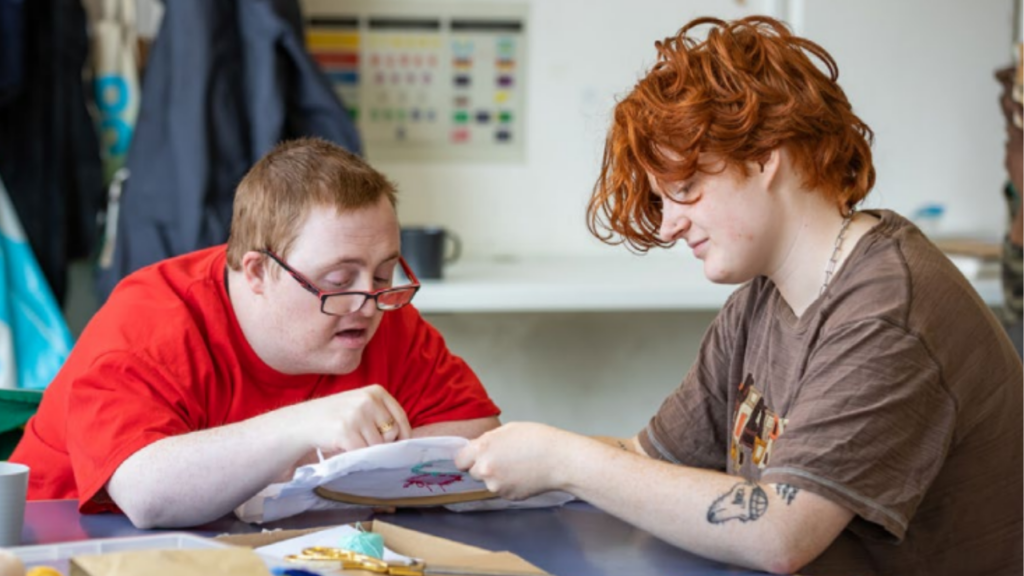
As part of Manchester's new cultural framework, Always, Everywhere: Manchester’s Cultural Ambition 2024-2034, the city is committed to fostering an inclusive and sustainable cultural environment.
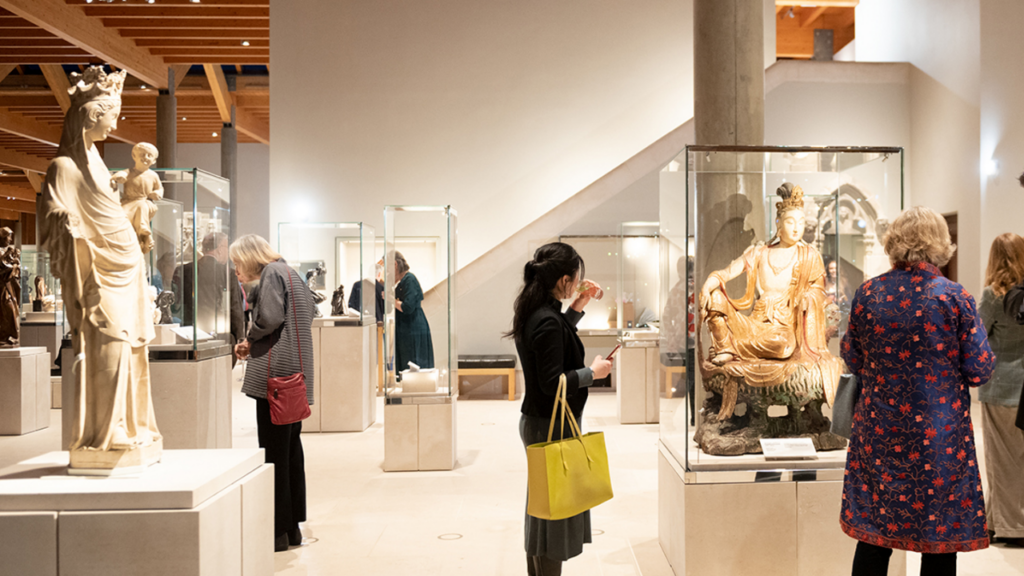
Following a six-year closure for major refurbishment and redisplay, Glasgow’s Burrell Collection reopened in 2022.