Center Rog: a collaborative hub bridging sustainability and creativity
Ljubljana – Slovenia
Pillar 2:
Ecological transition in the field of culture
Priority 11:
Providing access to cultural programmes for all, ensuring that barriers to access to culture are addressed
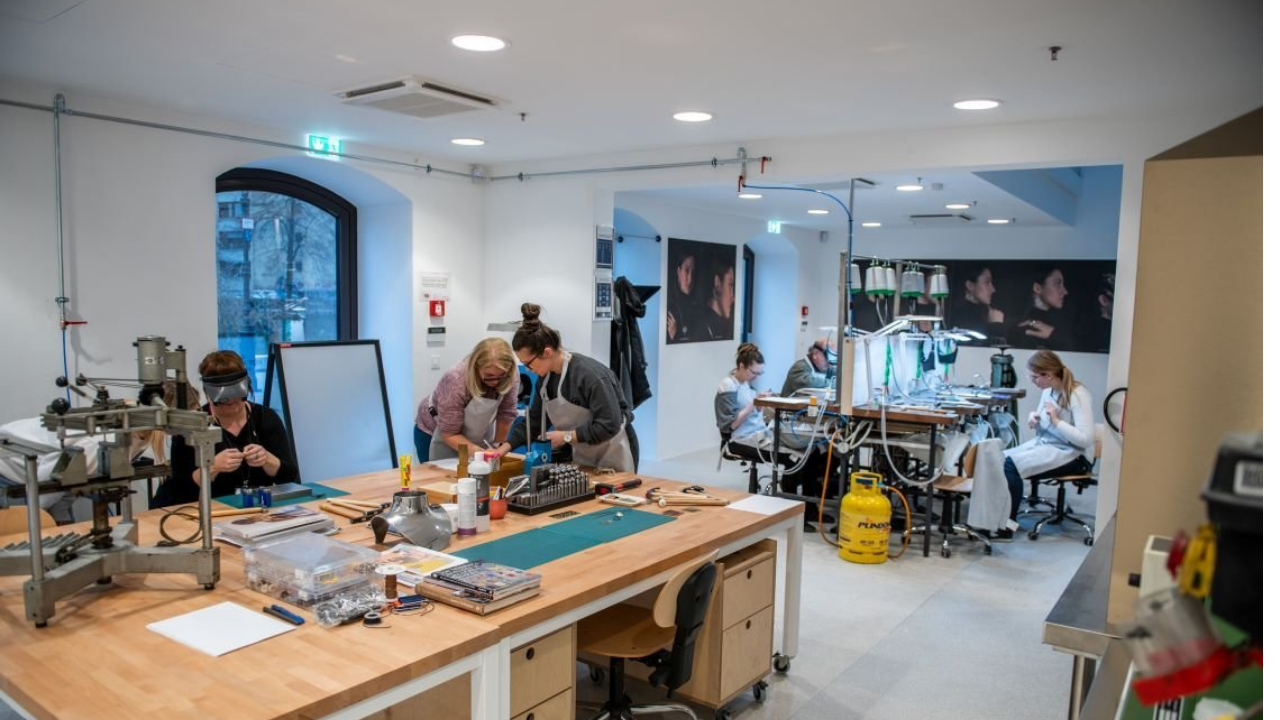
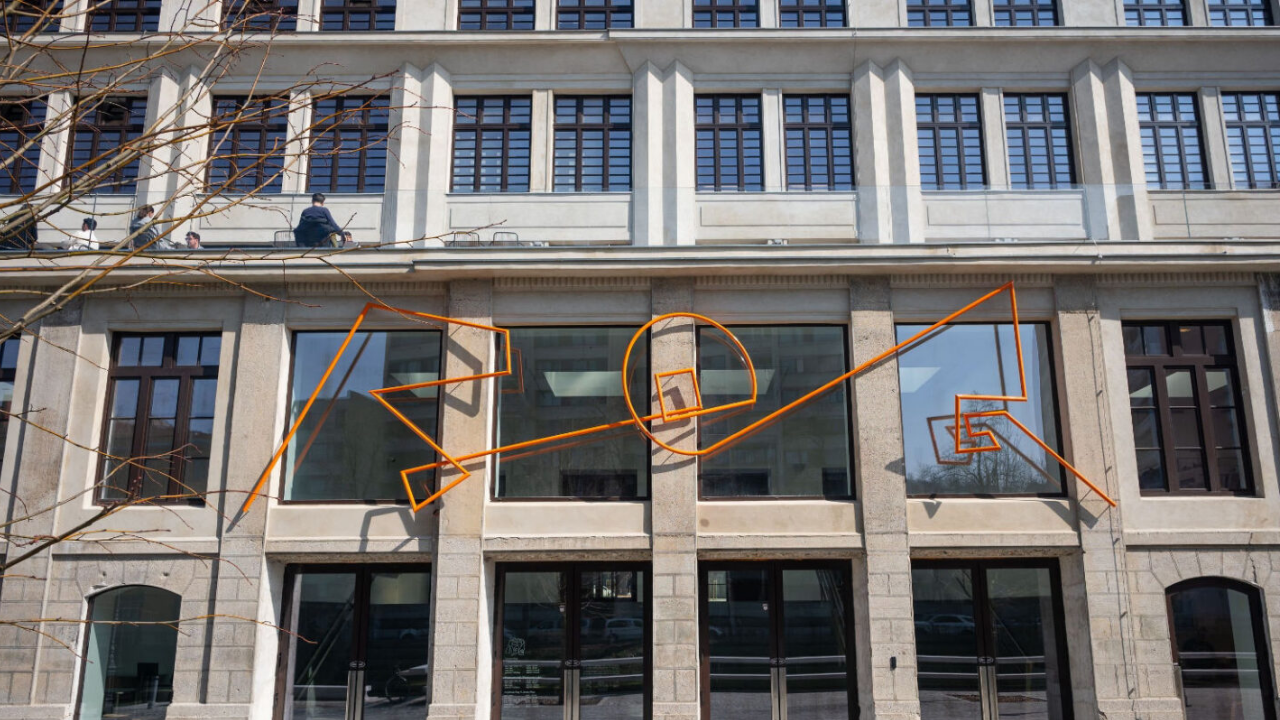
The Center Rog Creative Hub, funded by the City of Ljubljana, is a dedicated space covering 8,500 m2, supporting entrepreneurs in applied arts, crafts, design and architecture, with a strong focus on sustainable development.
In 2018, the Center Rog development team won the Eurocities Innovation Award for their contribution to innovation in local ecosystems, involving residents in decision-making, and using innovation to enhance resilience and sustainability.
The revitalisation project of the old bicycle factory represents the largest participatory cultural development process in Slovenia, engaging over 6,000 individual users and more than 600 stakeholders.
Center Rog’s production space includes eight workshops covering areas from woodworking and biotechnologies to cookery and glasswork, with related technical support service programmes catering to a wide range of target users including individuals and companies in the cultural and creative sector, children, students, engineers, makers, creative amateurs, senior citizens, and more.
clusivity is central to Center Rog’s approach, inspired by both fablabs and libraries. Everyone is welcome for a small membership fee, regardless of age, background, or preferences.
Nineteen studios are available free of charge to local creatives working on sustainable products, and five residential studios host international exchanges. The former industrial yard has been transformed into an 8,000 m² public park with an ‘edible’ garden of fruit trees and a community plot maintained by 25 volunteers.
Center Rog also prioritises access for socially disadvantaged groups, including migrants, asylum seekers, and refugees. A working group with local NGOs and a community manager is developing tailored programmes and introducing participatory budgeting to involve members directly in funding decisions and strengthen community ownership.