The culture Coach: Equal opportunities in cultural education
Amsterdam – The Netherlands
Pillar 2:
Ecological transition in the field of culture
Priority 11:
Providing access to cultural programmes for all, ensuring that barriers to access to culture are addressed
Amsterdam places inclusion at the heart of its cultural policies, aiming to broaden and diversify arts and culture across the city. Between 2021 and 2024, all municipally funded cultural institutions developed inclusion action plans covering personnel, programming, partnerships and audiences.
The city also invested in new cultural centres and activities in neighbourhoods such as Nieuw-West, Noord, and Zuidoost to make culture more accessible to all residents.
This commitment continues under the Arts Plan 2025–2028, which emphasises sustainability, accessibility and social safety in cultural spaces while reinforcing Amsterdam’s international cultural profile.
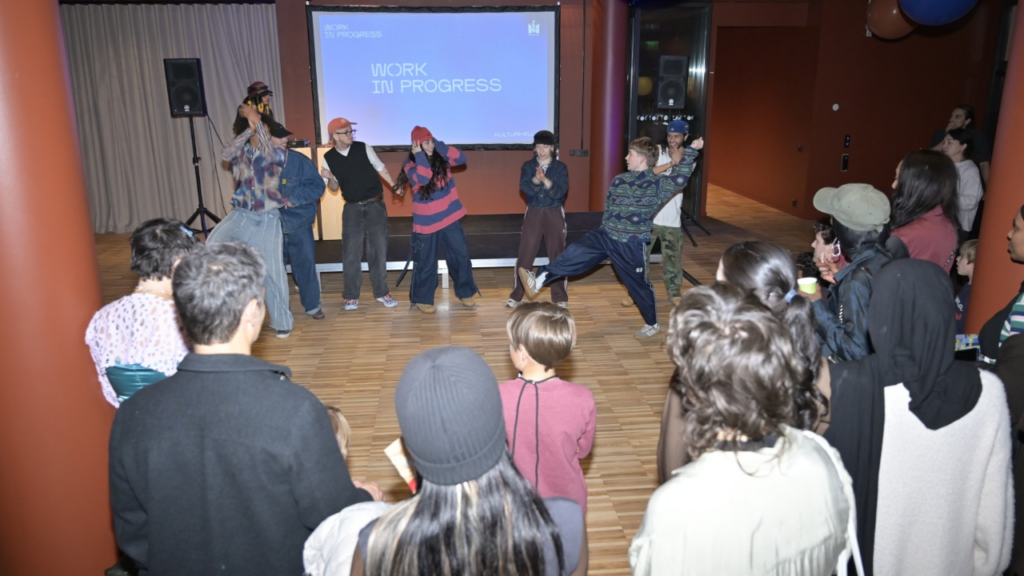
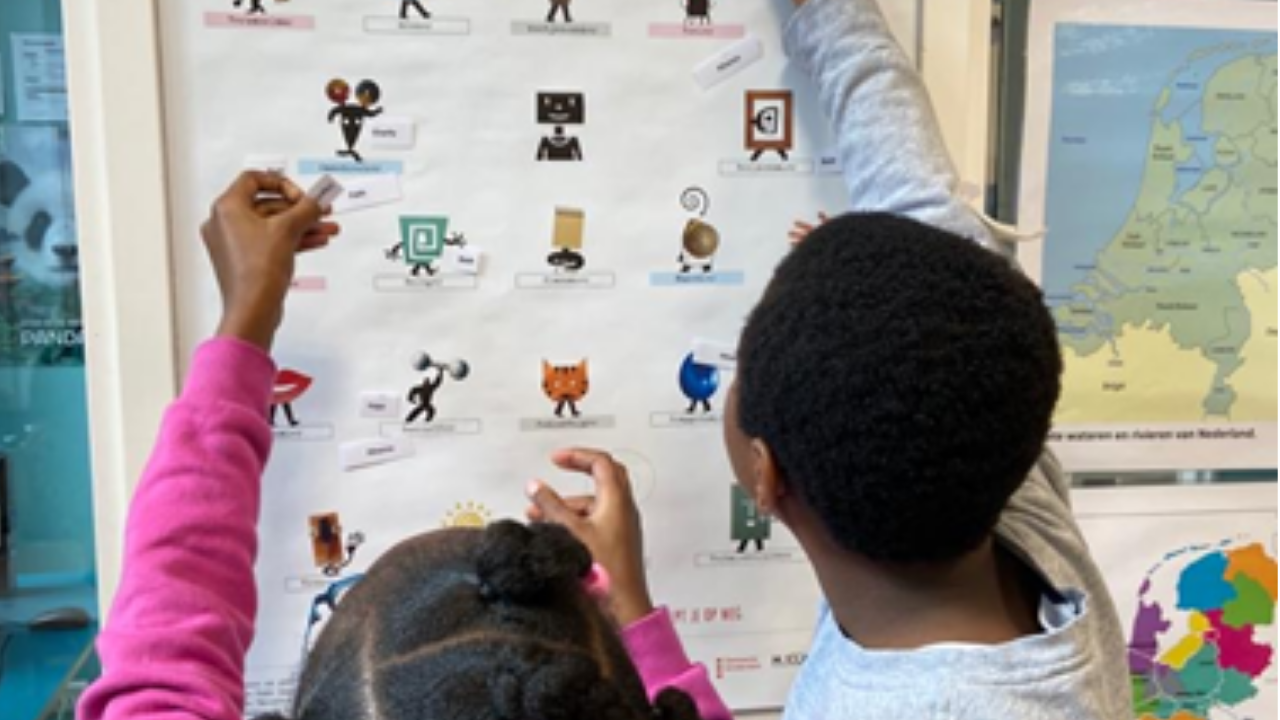
As part of this effort, the Culture Coach programme ensures equal access to cultural education for children, particularly those from vulnerable backgrounds.
The initiative connects 84 schools (65 primary and 19 secondary) with around 100 certified artists from various disciplines who work within schools to integrate cultural education, link students with extracurricular activities, and strengthen ties with local organisations. After its first phase (2020–2021), the programme was extended from 2022 to 2025 within the new Arts and Culture Plan.
Results show that 61% of schools reported improved student motivation, engagement, and confidence, alongside stronger social-emotional skills. Over half (55%) increased their focus on arts and cultural education, while 52% saw reduced teacher workload.
Because every school’s context differs, a tailored approach is essential. Culture coaches are most effective when well integrated into school life and supported through professional exchange, clear agreements, and strong networks with nearby cultural institutions -factors that enhance both accessibility and long-term impact.
Funding from:
- National funding
- Education and Arts and Culture departments of the city
EUR 1,600,000.00