Book your fun: Participatory workshops in care centres
Munich – Germany
Pillar 2:
Ecological transition in the field of culture
Priority 12:
Developing ambitious cultural projects for vulnerable groups
As Europe’s population ages, there is a growing need for politicians and city administrations to reconsider existing structures and approaches to ensure participation in all aspects of society.
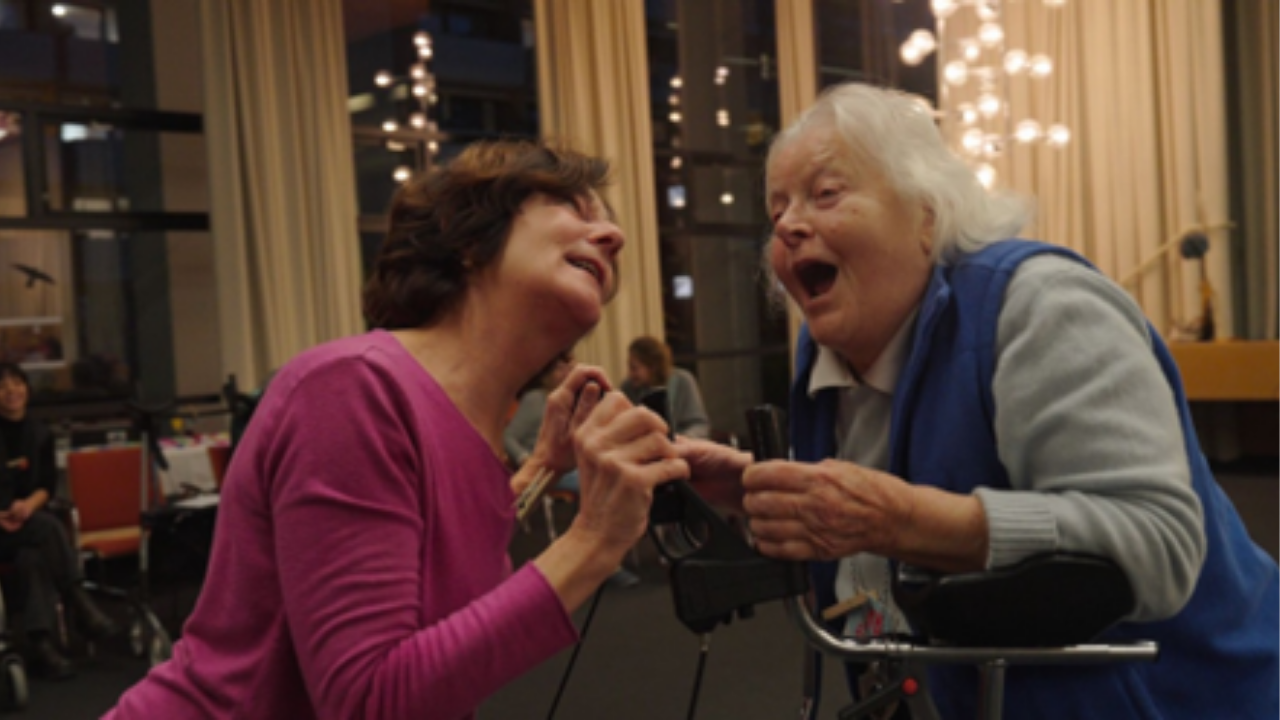
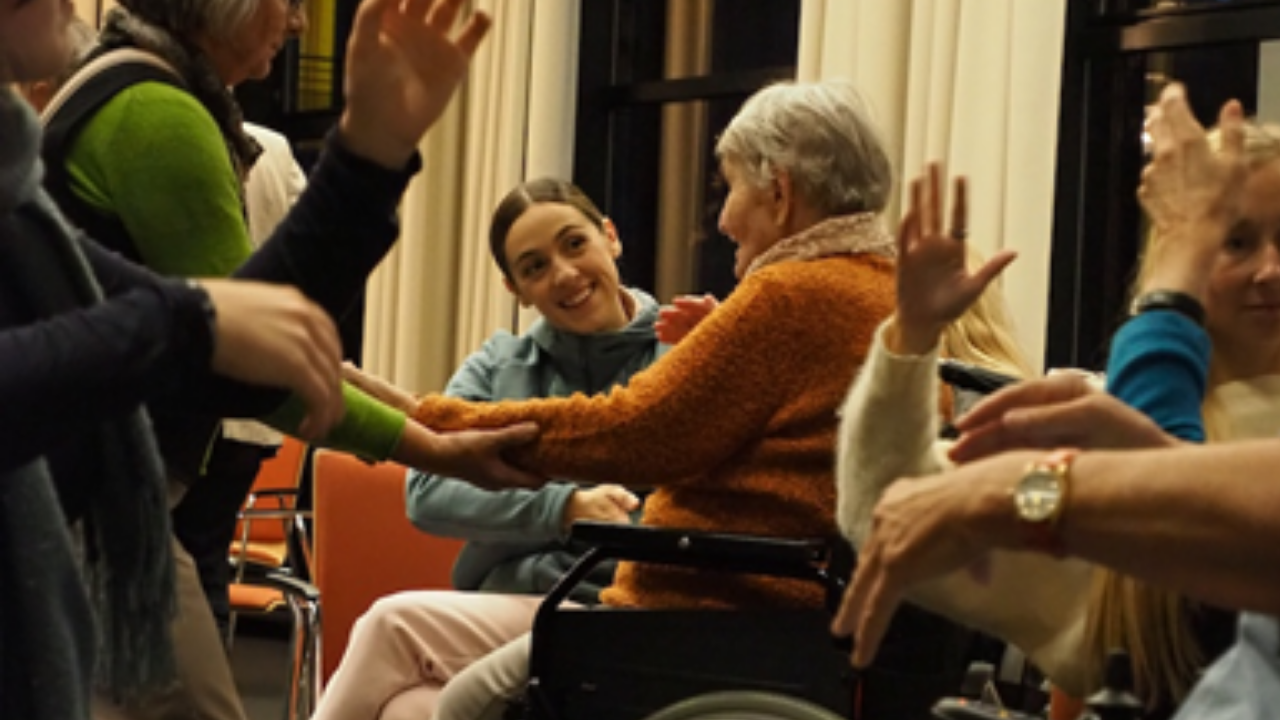
Inspired by EU-funded exchanges on creative ageing, the City of Munich launched a pilot project in 2024 aimed at improving the health and well-being of people in care facilities. The initiative offers participatory, dementia-friendly workshops in visual arts, dance, theatre, and music, designed for residents, staff, and families.
The project involves the collaboration of the department of arts and culture and the department of social services, which together collect a certified pool of artists offering tailored workshops. Care facilities can commission these artists at a fixed price, ensuring easy access and cultural activities.
Each workshop consists of five events, and the activities are designed to engage the senses and provide methods that can be continued by staff and family after the sessions. Care homes provide a staff member to assist the artist and organise participant groups.
Directors of the involved care facilities report a strong need for initiatives like these, which act as external inspiration and invite innovation. During the workshops, participants with severe dementia showed increased concentration and engagement and artistic interactions improved the relationship between residents and staff. All four pilot facilities from 2024 were rebooked for 2025, with two more facilities added. The project has now entered its second phase, continuing in 2026. Following these positive results, the project is to be anchored permanently.
Transferability is rooted in several key factors. Focusing on people’s potential rather than their problems has contributed to the success of the workshops, with professional artists bringing creativity and energy to the process. Collaboration between artists and staff is essential, and the involvement of key figures, such as directors, helps secure the necessary funding. The partnership between two city departments has also fostered trust and cross-sectoral cooperation, leading to a shared understanding of the benefits of creative ageing for inclusion, health, and social cohesion.