Public art and the climate impact calculation tool
Uppsala – Sweden
Pillar 1:
Ecological transition in the field of culture
Priority 7:
Assessing the environmental footprint of cultural events
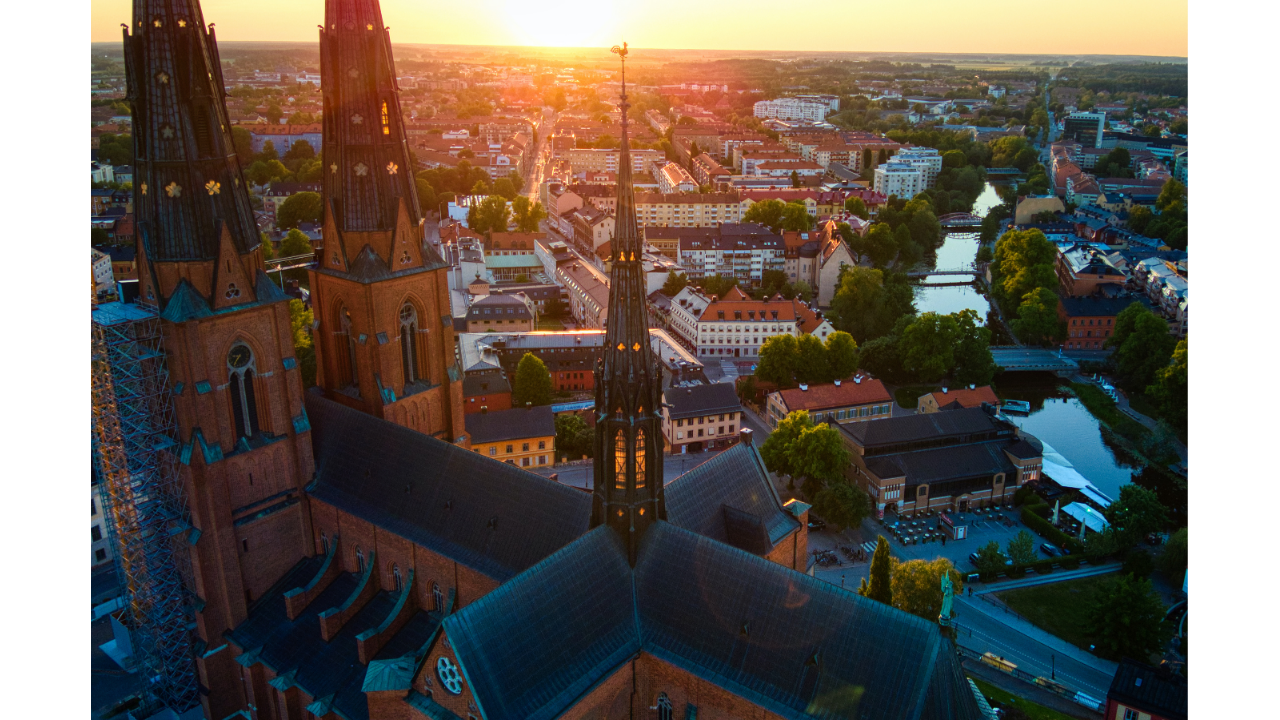
Uppsala is working to reduce the climate impact of art productions while connecting artistic initiatives with sustainable urban development. The challenge is to ensure that public art projects contribute to both social and ecological sustainability.
In 2024, the Public Art Unit of the Uppsala Municipality, together with Tyrén, a consulting company working in urban development, launched a climate impact calculation tool for public art designed to help reduce the environmental footprint of artistic projects.
This tool analyses and compares the climate impact of different materials and production methods, enabling decision-makers to make more sustainable choices.
The climate impact calculation tool is part of a broader effort to integrate sustainability in public art initiatives and urban planning. In parallel, Uppsala is working on the Climate Protocol, a local climate agreement between the private and public sectors to reduce the city’s climate emissions. The network has 44 members, consisting of companies, public agencies, universities and associations.
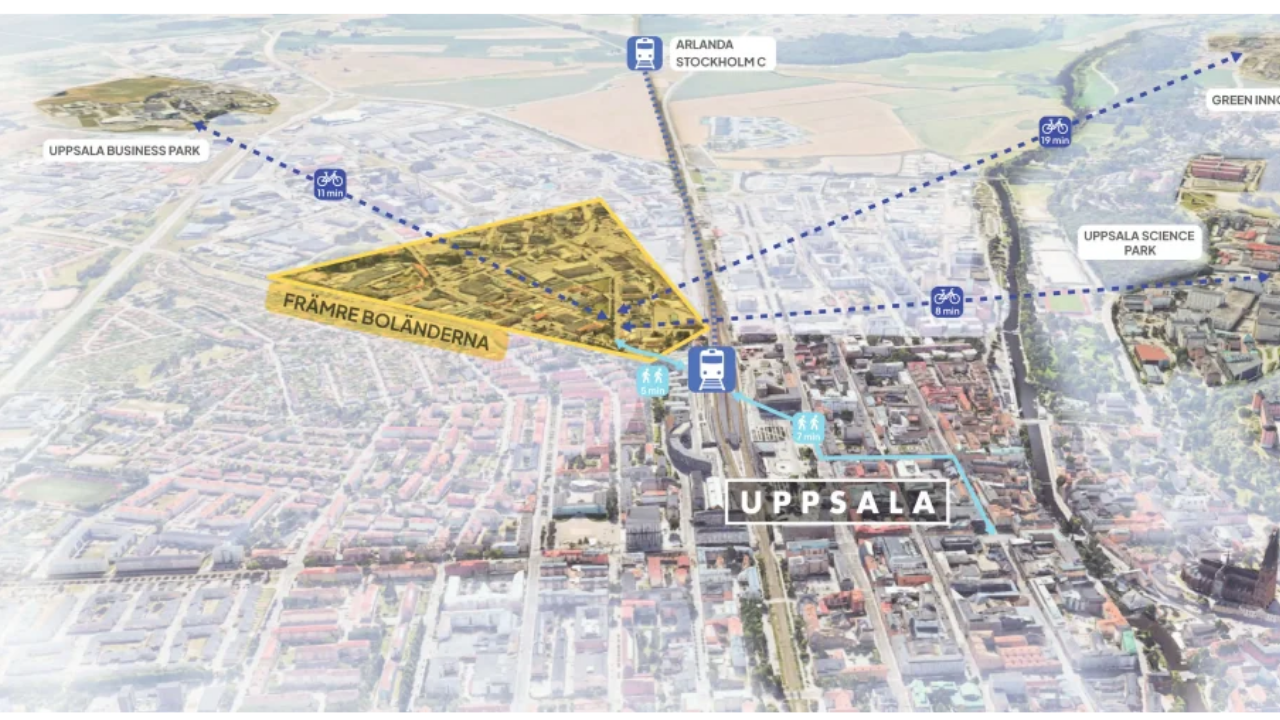
Additionally, the city is exploring sustainable urban transformation through projects like the new business and innovation district Främre Boländerna, where public art plays a key role in regenerating the industrial area.
These efforts align with Uppsala’s long-term vision of combining art with sustainable urban development, demonstrating how cultural initiatives actively contribute to a city’s ecological goals.