Greening cultural mobility
Rennes – France
Pillar 1:
Ecological transition in the field of culture
Priority 3:
Rethinking mobility / reducing carbon emissions due to the mobility of artists and audiences
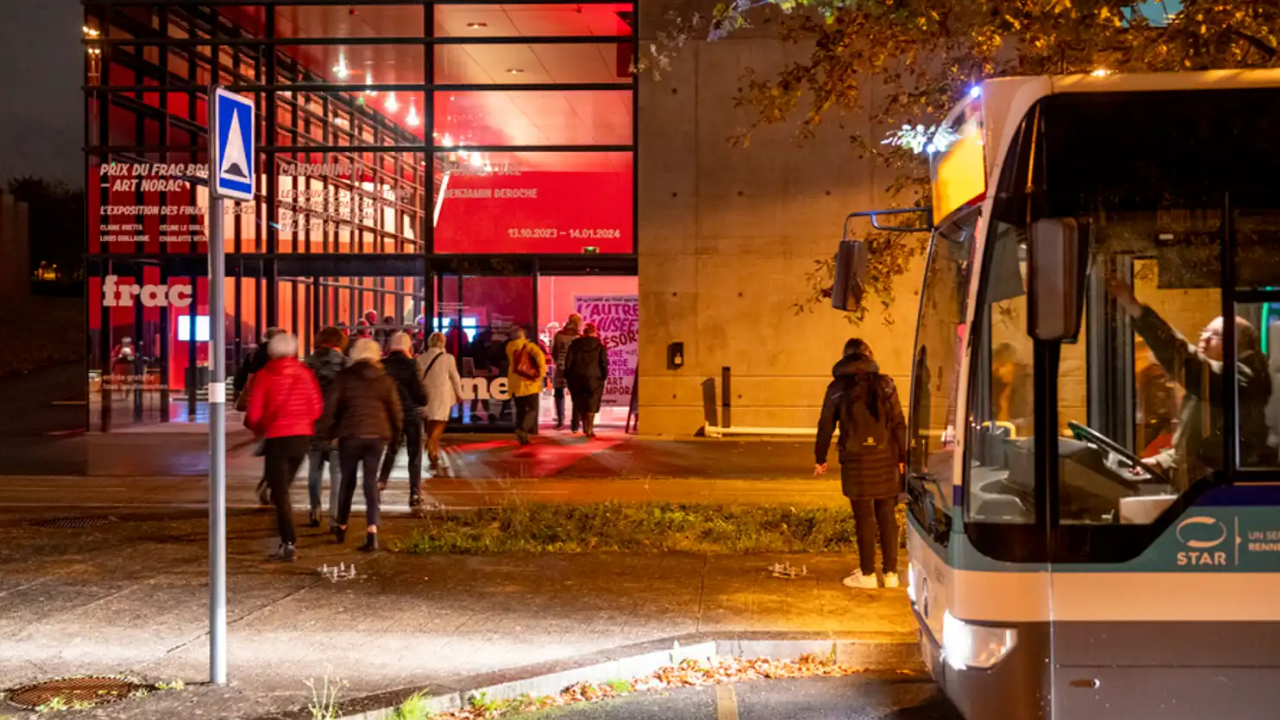
The movement of artworks, artists and audiences is the main source of greenhouse gas emissions in the cultural sector. Culture is also the third most common reason for mobility of the French, after work and shopping, as highlighted by The Shift Project’s report ‘Decarbonising Culture’ (November 2021), which warns of the sectors’ heavy dependence on fossil fuels, making it particularly vulnerable to energy shocks.
Rennes Métropole partnered with the Shift Project (a think tank of national experts on decarbonisation from all backgrounds and sectors) to make the city’s cultural policy more eco-friendly, particularly regarding the mobility of visitors to cultural facilities. In 2023, Rennes and Rennes Métropole developed a strategy for The Ecological Transition in the Directorate of Culture which includes an ambitious roadmap to green mobility.
Key measures of the strategy include suggestions to:
- Carry out audience mobility surveys, to be updated every 3 years.
- Develop a decarbonised mobility roadmap for each of the 9 cultural establishments under the city’s direct management.
- Reduce the travel of artistic teams, while maintaining the diversity of programming and openness to new teams.
- Reduce audience travel.
- Reduce the movement of artworks (experiment with exhibitions without loans or with a single lender, relying on the permanent collections of heritage institutions in Rennes).
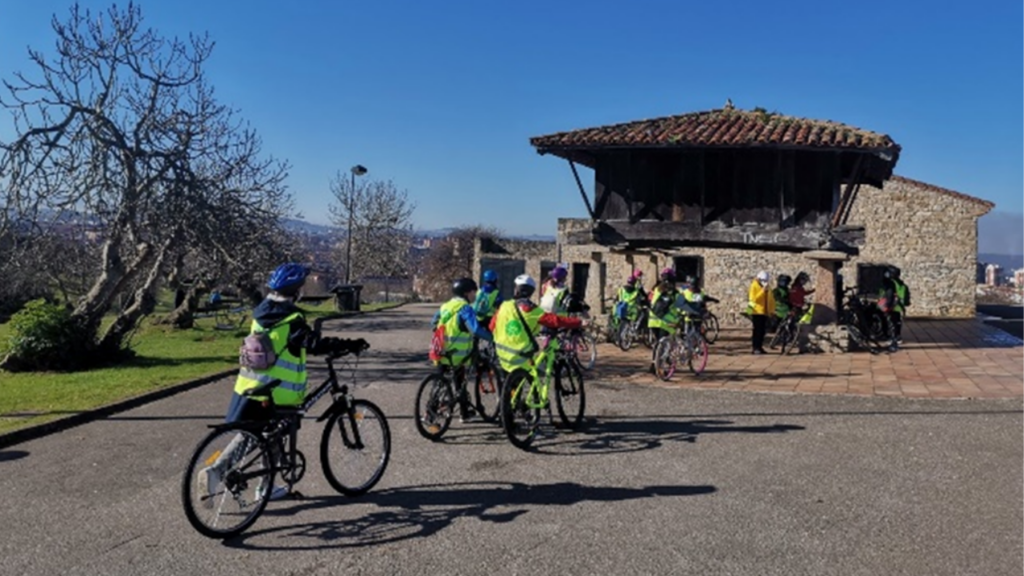
- Improve facilities for cyclists by increasing the number of bicycle stands in front of cultural facilities.
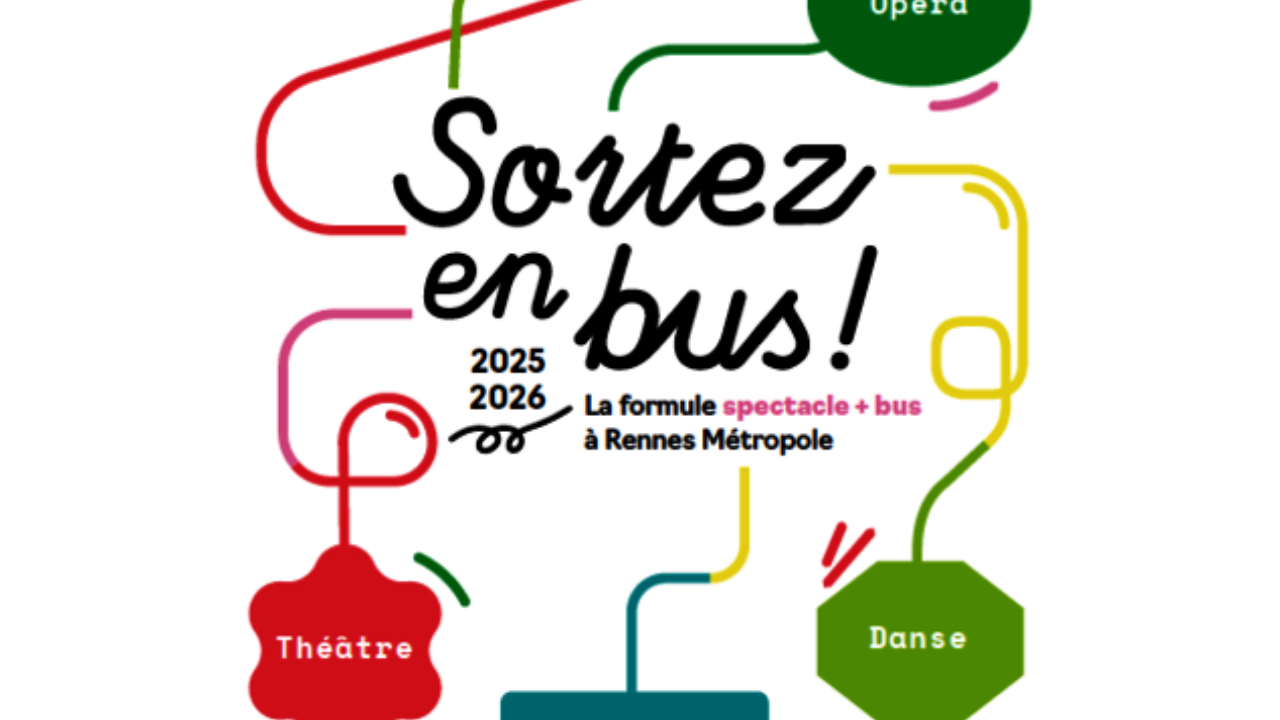
- Develop the use of public transportation, and encourage behavioural change; for instance, through an incentive pricing policy or media-based communication campaigns.
- Improve and guarantee access to culture for all, with particular attention to people with disabilities.