The most sustainable European Capital of Culture
Oulu – Finland
Pillar 1:
Ecological transition in the field of culture
Priority 1:
Reducing the use of resources and using sustainable public procurement
Oulu is making significant progress in cultural and sustainable development in its journey to become European Capital of Culture, 2026. The Most Sustainable European Capital of Culture initiative, running from 2020 to 2023, aimed to help event organisers reduce the carbon footprint of large-scale cultural events in the region. Innovation testing was carried out between 2021 and 2023, focusing on improving energy efficiency, waste management, and low-emission event production. The initiative brought together event organisers, sustainability experts, and local communities, benefiting both cultural producers and the environment.
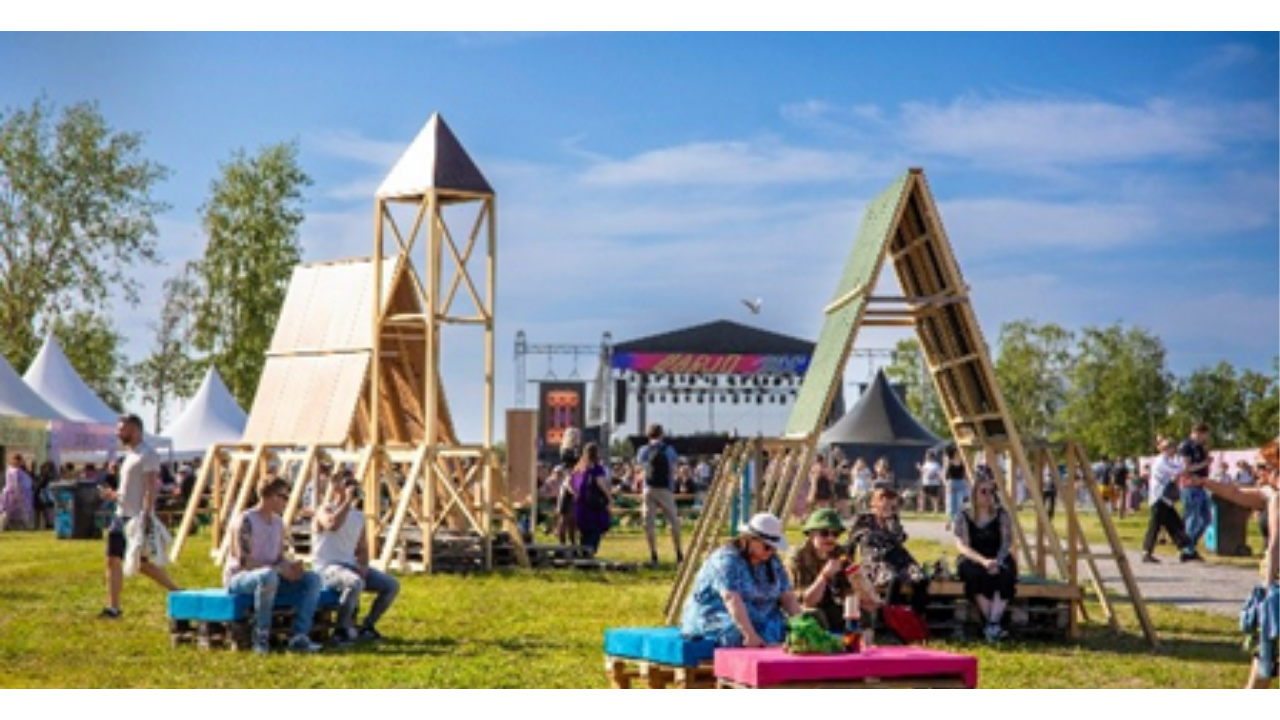
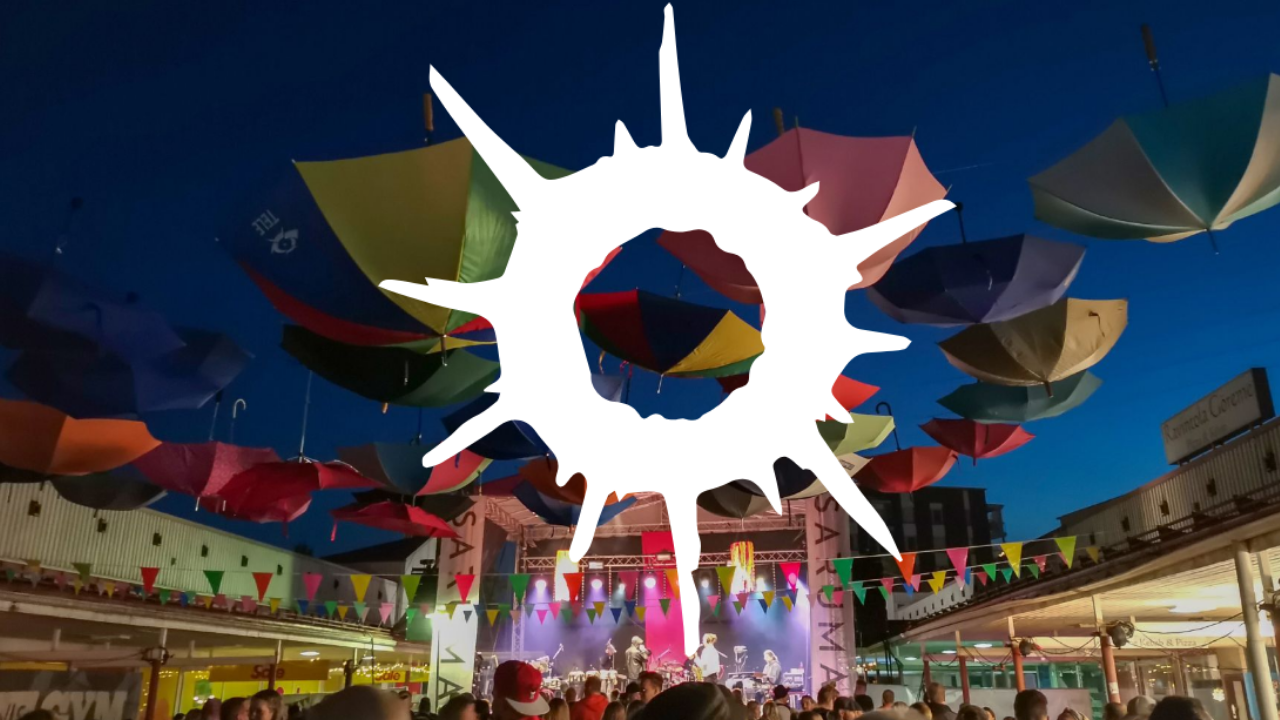
Despite initial setbacks due to the pandemic, the Most Sustainable Capital of Culture initiative was able to conduct over 14 innovation tests across 10 events. The innovation testing at Varjo Festival (pictured) was highly successful, with the staging built from recycled materials repurposed after the festival. Following the event, the materials were used to construct a permanent sauna, which remains in public use today. As part of the initiative, carbon footprints were also calculated for select events, and roadmaps were created to help reduce emissions.
Both events and innovators received positive feedback from audiences regarding the tests, and some partnerships appear to be continuing beyond the testing phase. The Sustainable Event Production Guide provides a solid foundation for a new sustainable event production model, ensuring that events organised in the region are increasingly environmentally responsible.
Total Budget: EUR 614,503.
Funding from the European Regional Development Fund (ERDF): EUR 399,693.