Vienna Climate Biennale 2024
Vienna – Austria
Pillar 1:
Ecological transition in the field of culture
Priority 5:
Facilitating connections between local cultural stakeholders
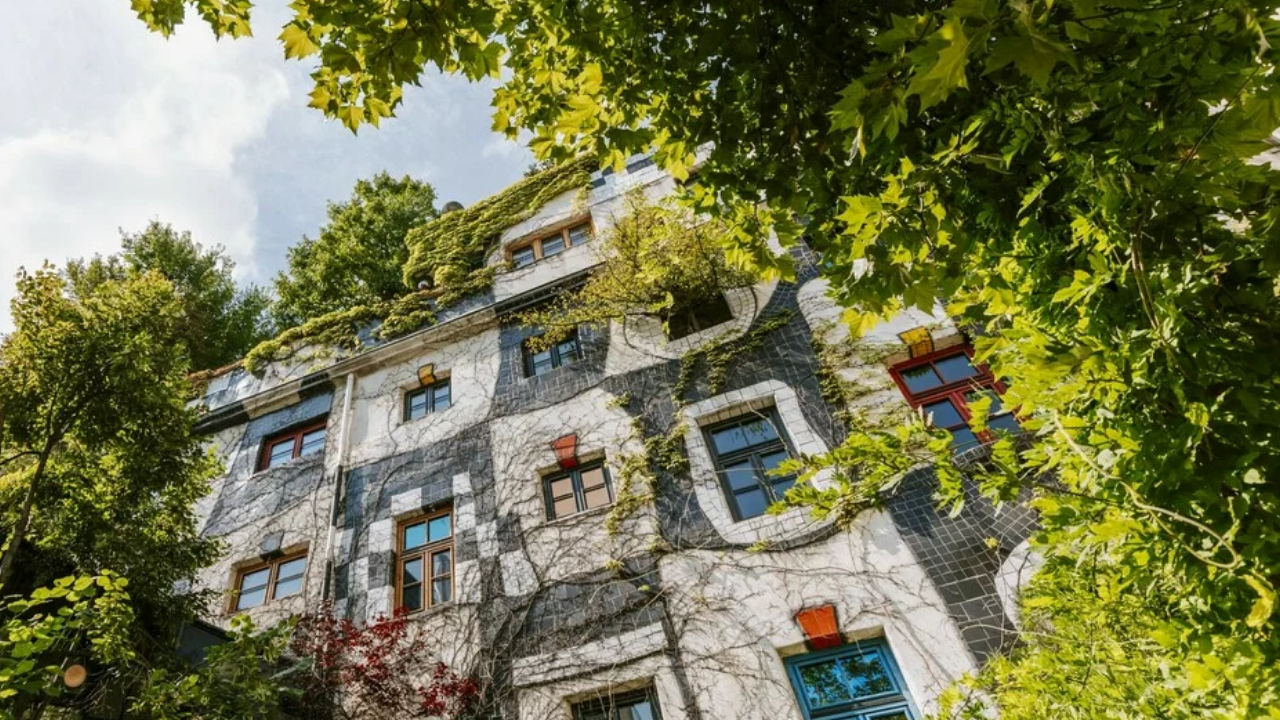
The inaugural edition of the Vienna Climate Biennale in 2024 encompassed a programme focusing on sustainability, art and alternative approaches to climate change.
The event positioned the city of Vienna as a pioneer in addressing current ecological challenges through culture.
Over 100 days, the programme focused on the potential of art, design, architecture and science to contribute to a sustainable future that is both viable and desirable, as well as on the social impact of climate change.
In collaboration with over 100 institutions, initiatives and organisations, the Vienna Climate Biennale shared the findings of the climate debate with a broad audience.
Established arts institutions and festivals, including Belvedere 21, the Weltmuseum and the Wiener Festwochen, representatives of Vienna’s independent art scene and civil society organisations were also involved.
The Biennale benefits from substantial financial and content-related support from three City of Vienna departments: climate, culture and economy.
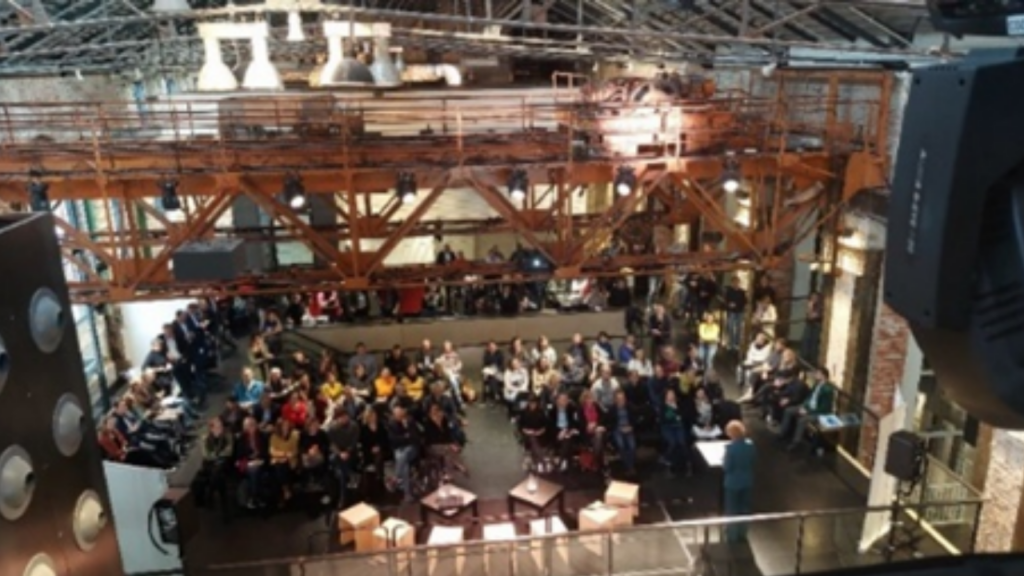
The event featured a diverse range of activities, including exhibitions, discourse formats, talks, lectures, dialogue discussions, panels, concerts, symposia, processions, an activism camp, a climate summit, reading series, interventions, performances, workshops, dialogue tours, guided tours, and, of course, parties.
The 2024 biennale attracted over 225.000 visitors. The urgency of the global climate crisis was conveyed to this audience through 30 exhibitions and 780 events across 87 venues.